Casino
Casino was settled in 1840 and was proclaimed a township in 1885. It was an important road link between Grafton and Brisbane. In 1880, the population was recorded at 2150, four years later at 3500.
William T Barker
In 1857, William Thomson Barker, MRCS, from Dumfries, Scotland was the first reported doctor in Casino. He was a graduate of Edinburgh University Medical School and a LRCS (Edin.). He had been in practice in Ipswich, Queensland from mid-1855. His starting date was uncertain but he was reported attending a confinement in 1857. His income had been guaranteed by the squatters of the area and he took an interest in civic affairs, being at a public meeting in November 1860. He was highly respected by the community as a medical man.
His death is recorded in Gundurimba in March 1863, as caused by the effects of ‘that cordial that destroys both soul and body of men’.
WN Richards
The vacancy was filled by the government in July 1863 by the appointment of Dr WN Richards, BA (Oxford), MRCS (Eng.), as ‘Medical Officer to the Aborigines’ in Casino district, who had moved from his practice in Grafton. He was the sole doctor in Casino until he went to Newcastle, where he was recorded in 1866.
James Markey
The next recorded doctor was James Markey, in 1866. He was born in Ireland and graduated LRCS (Edin. 1864), LRCP (Edin. 1865). He had been encouraged by Ballina locals to come from Maitland and arrived in Ballina in February 1866, intending to practise on the Northern Rivers, only to find that Dr HM Croft had just preceded him. Undaunted, Dr Markey moved upriver and settled in Casino. However, his position of Government Medical Officer required a lot of travelling (by horse) to official duties in Grafton and Armidale as well as his clinical duties in Casino. He managed to attend civic meetings as well, including one to support the building of a bridge at Casino.
The problems faced by country doctors in those times are exemplified by the article in the regional newspaper in April 1869, noting that Dr Markey seemed utterly disgusted at the apathy of numbers of residents who seemed to imagine that he should have a horse and boat to go up and down the river from house to house, and beg the favour of being permitted to vaccinate their children when and where it may suit them. The writer noted that it must have been disheartening for the doctor, who seldom seemed to have an hour to spare out of the saddle, to find his efforts so little appreciated. It was hoped that they would not feel astonished should he cease to visit them altogether. Dr Markey left one year later and worked as Resident Surgeon at Sydney Infirmary, from which he was farewelled with a gold watch after three years’ service.
Dr Maclean
In December 1873, Dr Maclean was reported in the press when he had a fall from his bolting horse and sustained an open fracture of his left arm and two ribs on his way to Lismore. It was recorded that he had won golden opinions from all classes of the community since his arrival in the district and his injuries were progressing favourably. Unfortunately, the only further information on Dr Maclean is that he left at the end of February 1874 and went to Grafton, where he performed with the local opera society.
Stanislaus Maguire
Stanislaus Maguire, LRCS (Ireland 1876), LKQCPI, arrived in Casino in October 1877, sailing from ‘the metropolis’ to practise in Barker Street. He was reported as recently arrived in the colony from Rio de Janeiro, where he had worked at St Mary’s Hospital. He had been working in the Maitland and Manning River districts, and because of his high regard there was induced by Casino residents to move to their area. Dr Maguire sailed out again in July 1879 and a year later was reported in Cudal, NSW. His personality led to his fitting eventually into a society practice in Lewisham, Sydney.
Joseph Foreman
In June 1878, Joseph Foreman, MRCS, LRCP, LSA (Eng.), started full-time practice in Casino, at Britton’s Hotel. The details obtained about him make a very good illustration of the multiple factors affecting the professional and domestic life of a doctor in those times in that undeveloped area. While a struggling medical student at Guy’s Hospital in London, he met his future first wife, who was described as older than him, very wealthy and a very generous lady. She financed his medical education, married him and, after he practised in England for about two years, followed him after he arrived in Sydney alone as a ship’s surgeon in August 1876.
He had been the AMP Society Medical Referee visiting the North Coast from Sydney, and after an unsuccessful attempt to get an appointment as Medical Officer to the Newcastle Coal Mines, he decided to start to practise in Lismore in May 1877, visiting Casino once a week. He was the Government Medical Officer, Public Vaccinator and Coroner for the area and became an esteemed member of the Lismore Mutual Improvement Society and Debating Class. He was very industrious and well respected by the folk of the area, but after one year, he moved to Casino, explaining that he and his wife could not find suitable accommodation in Lismore (reasonably explained by living in a house in Colemans Point).
He practised full-time in Casino and consulted once a week in Lismore. He was involved in the Casino Turf Club and developed a farm at Woodburn, on which he started growing sugar cane and the ‘soothing weed’ tobacco. While he was in Casino, there were also Dr Daniel George Rowlands, a young surgeon, who consulted in Lismore as well, and an Irishman, a well-liked ‘pseudo doctor’. Dr Foreman was regarded as a ‘smart, intelligent young man, always ready and willing for duty’, but said that he had to leave for ‘health reasons to a cooler climate’, sailed for Sydney in December 1878.
He certainly supported his stated reason for taking his wife away from the Richmond Valley, when he died at the age of ninety-seven, after a long and distinguished career in the specialty of women’s diseases at Royal Prince Alfred Hospital. He practised in Macquarie Street and lived in Potts Point, then The Astor, next to his rooms—stark contrast with Richmond Valley.
Daniel G Rowlands
Daniel George Rowlands, MRCS, born in South Wales, was seeing patients in Casino in July 1878. He had walked along the coast from his ship in Brisbane in 1873 and started working as a registered doctor in Ballina before going to Casino, then to Lismore. He was based ‘on the Richmond’, apparently mostly in Lismore and seemed to have a lonely life, with little income and driving around the dreadful roads in a light dray. He had no apparent base, just doing calls.
He was said to be a clever surgeon and showed good clinical knowledge in some difficult cases. His circumstances led to a sad death at thirty-four on the other side of the world from his family in Lismore in 1879, the cause officially recorded as from the effects of alcohol.
James R Crawford
The newspapers reported that in November 1879 there was a new arrival in Casino named Dr James Robert Crawford. He advertised as a physician, surgeon and accoucheur, with great experience both in the army and civil practice. Indications are that after about three months he was in Sydney.
Charles E Crommelin
In 1880, Dr Charles Ebdon Crommelin, born in London, was in practice at a house on the corner of Barker and Diary Streets. He had previously been in Ulladulla, NSW. He was on a committee in 1884 to start a public hospital, which was opened in 1886. Dr Crommelin was appointed the first Medical Officer in Charge, salaried and with right of private practice.
He had started off as a schoolmaster and was then an unqualified chemist. The early directories show he was not registered, but by 1891 he had gained a MD from Cincinnati (Ohio) College of Medicine and Surgery after a year’s leave overseas, while his practice was covered by Dr PJ Kelly. He had been appraised by a very experienced and respected neighbouring doctor, Dr FG Connor, who said he was ‘sound in dispensing, very poor in materia medica, not at all a surgeon, but he took infinite care and pains and succeeded where many a better qualified man failed’. He was referred to in the area paper in 1883 as attending a patient with his ‘usual promptitude’.
He was in town for twenty years, a JP, serving as the district Government Medical Officer and Public Vaccinator, Coroner, member of the Hospital Committee and Licensing Board, judge at the turf club, lodge member and on the committee of the agricultural society. He was appointed Medical Officer to the Aborigines of the region. Dr Crommelin was given a public farewell in January 1900 after twenty years in town and presented with a purse of sovereigns from the community and the same from the lodge. He went to Campbelltown for a short time before going in 1901 to Tenterfield where he died aged fifty-six.
Arthur W Power
‘Dr’ Arthur Worsley Power, ‘LFPS (Glasgow 1880)’, with claimed experience as an assistant in colon surgery, and working in Australia as Resident Medical Officer at Mt Gambier Hospital (SA) was in Hare Street at the end of 1886, close to the show pavilion. The records state that he did not have a medical qualification, but his CV showed he had been to the Royal College in Liege, Belgium and an engineering pupil in Sussex, England. After coming to Australia, he worked as Senior Resident Dispenser at Royal Melbourne Hospital for three years, then as a Medical Officer in the South Pacific and at HM Gaol, Port Macquarie.
He started off in Woodburn in March 1885 and is recorded as having some land cleared in Byron Creek (Bangalow) just before setting up in Casino. He was interested in civic affairs and was an advocate of improvement to roads in Bangalow. He practised for five years in Casino, offering a complete dispensary and extraction of teeth, before sailing out for Sydney in December 1891.
Michael L Butler
In August 1887, Michael Lyons Butler, LRCP (Edin. 1886), was reported to be practising in Casino. Apparently he did not stay long and he went to Sydney, where he was sentenced in 1900 to five years’ penal servitude for performing an illegal operation.
Eustace HL Pratt
Eustace Henry Lever Pratt, LSA (Eng. 1862), MRCS (Eng. 1882), MD (St Andrews Uni. 1865), formerly surgeon to the Royal Navy, tried visiting Casino in 1888 to consult on alternate Thursdays, presumably because he felt unwelcomed by the doctors in Lismore, where he was based since 1887. This visiting arrangement does not seem to have lasted very long.
John NE MacLennan
In 1889, John Norman Emslie MacLennan, MB, MCh (Uni. Aberdeen 1883), was in the town. He had arrived in Sydney at the end of 1888 and after a residency at Royal Prince Alfred Hospital, he was probably looking around the Far North Coast, possibly at the suggestion of Dr Foreman, whom he met at RPAH. Dr MacLennan was back in Sydney at the end of 1889 and went to The Coast Hospital as Deputy Superintendent. Thereafter he went to Young, NSW after a farewell party attended by Dr Foreman and Dr WJ (from Lismore).
John A Langdon
John Arthur Langdon, LRCP (Edin.), LFPS (Glasgow 1874), surgeon in the Turkish Army (1877–78) and Royal Navy (1878–83), then with P&O service and in the Kimberley Goldfields, was practising in the Casino area in 1889. He moved to Coraki full-time at the beginning of 1890.
He was very experienced in gunshot injuries and smallpox, so he was suited to the job of Public Vaccinator. He was bold enough to expose publicly at his own expense an infamous unqualified man posing as a medical practitioner in the area.
Alexander H Rutherford
In 1901, there were two doctors in Casino. The first was Australian-born Alexander Hamilton Rutherford, MB, BS (Edin. 1898), who took over the practice of Dr Crommelin. He was involved in civic matters and served as alderman on the council, took an active part in the lawn tennis club and was a good singer.
Dr Rutherford worked in Casino for over ten years and took the remarkable step of going to England during WWI to train at the renowned Moorfields Eye Hospital, before returning to specialist ophthalmology practice in Sydney. His general practice was bought in 1910 by Dr JH Chauncy.
Percy B Stewart
The other was Percy Bloomfield Stewart, MB (Melbourne 1897), ChB (Melbourne 1898), Resident Medical Officer at Royal Melbourne Hospital. He was a short time in Coraki before starting in Barker Street, Casino. He was appointed Medical Officer at the hospital in 1902. He developed a reputation as a particularly skilled surgeon and in one of his first operations in Casino he carried out removal of a tumour from a patient’s face and then performed an extraordinary skin graft from the opposite thigh with complete success. Dr Stewart was trying to have a break in Brisbane when he died from pneumonia in 1904 at the age of thirty-two. The operating theatre was named after him because of his special interest in the running of the hospital.
Henry Z Stephens
In 1904, Henry Zouch Stephens, born in Hobart in 1875, but a medical graduate of St Thomas’ Hospital, LRCP, MRCS (Eng.), came to help his ailing brother-in-law, Dr Stewart, after working for a year as a ship’s surgeon. With the early loss of his brother-in-law, Dr Stephens continued running the busy practice, also being a regular member of the lodge. He left Casino in 1907 and practised for twenty years in Burnie, Tasmania—with a break to serve in WWI in Egypt and France.
Phillip E Corlis
Phillip Edwy Corlis, MD (Wooster Uni., Cleveland USA 1892), started practising in Casino in 1907. He was born in Canada into the Corlis family of doctors who emigrated to Australia. He moved over from his practice in Ballina and soon suffered a critical case of pneumonia, but recovered.
He was probably a good friend of Dr Stephens, as Dr Corlis had a daughter born in Casino in 1905. He was a very keen bowler and was lucky to have his father, Dr Josiah and his mother, Dr Margaret, as a locum when he had a break from practice. He served Casino until he resigned as Medical Officer in August 1911, when he was reported as going to take charge of his mill and properties in Queensland, but not long after that he was back, based in the Richmond-Clarence area.
Ernest L Newman
Ernest Ludlow Newman, MB (Sydney 1903), Resident Medical Officer at Royal North Shore Hospital, Sydney when it opened in 1903, arrived by boat in 1907 to start in Casino and at the hospital. He was Government Medical Officer for the area and in 1912 was in the national press with a report about potential army cadets, aged fourteen to eighteen years and their smoking habits, leading to his permanent rejection of five and temporary rejection of four in the area as unfit, owing to lack of physical development as a result of excessive cigarette smoking.
Dr Newman was an accomplished billiards player, who served on the Chamber of Commerce, School of Arts Committee and was in the lawn tennis club. He carried out widespread smallpox vaccinations when the North Coast was under threat in 1913, but because of disputes with the Hospital Committee left and in 1914 he was back in Sydney.
James H Chauncy
In 1910, James Hornidge Chauncy, LRCP (Eng.), MRCS (Eng. 1856), a St Thomas’ Hospital graduate, started practice in Barker Street, taking over from Dr AH Rutherford. He worked at Horton Infirmary, Banbury, before arriving in Australia as a ship’s surgeon and becoming registered in 1905. He stayed in Casino for two years, but after building up a fine practice, the ‘far from satisfactory’ health of his wife and children required him to try to live nearer to the sea to improve this.
He made lots of friends in Casino because of his straightforward manner and genial nature. He exchanged practices with Dr Gerald S Samuelson of Bangalow for a short time before heading to the bright lights of Brisbane.
Sydney N Rorke
Sydney Norman Rorke, MB (Sydney 1909), took over in August 1911 from Dr PE Corlis in Barker Street. He was born in 1884 in St Leonards, Sydney where his Irish emigrant father was a very successful surgeon. His brother, Frederick was two years younger, also a doctor, tending to lead to confusion about the junior Drs Rorke. Sydney was a Resident Medical Officer at RPAH, Camperdown in 1909–10.
In Casino he was president of the rifle club. He wanted to be an Honorary Medical Officer at the hospital, but dispute between him and the Hospital Committee (Board) in October 1912 led to his temporary suspension from admitting new patients to the hospital and the committee appointing immediately another doctor from Tamworth. Things did not appear to cool off sufficiently to stop him departing in 1914 to far away Palmerston, New Zealand.
Gerald S Samuelson
In August 1912, Gerald Septimus Samuelson, MB, ChM (Edin. 1888), MD (Edin. 1893), came after seven years in Bangalow, where he had been regarded as a kind and very competent doctor with a lot of rural medical experience. In 1913, he and Dr De Luca carried out voluntary vaccinations in Casino. Having been a lieutenant in the Boer War, Dr Samuelson responded to the call again in 1914 to serve in WWI as a major on a hospital ship borrowed from the King of Belgium.
Sadly for Casino, he did not return to the town, opting for the life of a ship’s doctor. He was a very innovative doctor who patented a stretcher for wartime and civilian use, devised a chemical plan for the control of rabbits, stood up for the careful use of narcotic analgesia in labour and joined a group of distinguished doctors who were concerned about the heavy use of alcohol by young males of military service age and lobbied the government.
Philipe De Luca
Philipe De Luca, MD, ChD (Naples 1895), MD (Paris 1903), MD, Ch M (Constantinople 1908), started in Casino in November 1912. He had been a Medical Officer in the Royal Italian Army, a Clinical Assistant in Genoa Surgical Clinic and had published widely. Dr De Luca worked in the Hastings RDH in Port Macquarie and while there tried to become one of the pioneer flying doctors by engaging for several months in building a monoplane which he ‘essayed to fly’. After taking to the air in graceful fashion, at about twenty feet it suddenly turned turtle, fell and was completely wrecked. Dr De Luca then went, presumably by road, to Tamworth.
He was invited to Casino and paid by the Friendly Societies’ Association because of their dispute with the three doctors in town and set up on his own, with the FSA threatening to get an assistant for him, as he soon built up a big practice. One of the results of the dispute was that the FSA organised their own private hospital.
Dr De Luca had a great interest in tuberculosis and had a desire to build a sanatorium. He left Casino in April 1914, to return to Italy for four years before going to various parts of North Queensland.
Ranieri Belli
In 1914, Ranieri Belli, MD, ChD (Florence 1885), House Surgeon at St Maria Nuova Hospital, Italy (1885–1890), came to the town. He had worked in Australia previously in 1899 in Paddington, Sydney and as Medical Officer at Kiama, Walgett and Coonamble Hospitals. He worked from his home in Barker Street and had a reputation as a fine surgeon. A staunch BMA member, he weathered two episodes of medico-political turmoil to maintain his rational attitude to his patients, some of whom lived in very remote areas.
He also undertook lectures to the nursing staff and trainees, was a keen member of the turf club and liked rifle shooting. Dr Belli was in the town for thirteen years and then went back to Italy for a while before setting up practice in Tuncurry, NSW.
Alva Benjamin
Alva Benjamin, MB, ChM (Sydney 1913), Resident Medical Officer at Sydney Hospital, followed by a year as Medical Officer at Grafton District Hospital, came to Casino in 1914 but did not stay long, apparently leaving to join the British Army for WWI.
Harry J Waddell
In November 1914, Harry (Henry) James Waddell, MB (Sydney 1911), moved from his Ballina practice and took over from Dr De Luca in Hickey Street. He was a Friendly Society doctor and endured several episodes of medico-political unrest in the town, but seemed to maintain satisfactory social contact with the other doctors in town and on the golf course.
From his Sydney University days he had been an outstanding tennis player and on occasions represented the area at Country Week in Sydney. He was undaunted in trying to treat even the most severe type of head injury in a patient in 1916. Political motives kept him from getting a fair go at the Casino Hospital, but after his sterling efforts (with Dr Belli) in 1919 during the severe influenza epidemic in the town, Dr Waddell was officially appointed to the hospital.
He served time as an alderman on the council, was a great social mixer and a very popular man, who was recognised as working too hard during the war years. In 1951, because of his poor health, he sold his practice, but continued to help out around the area. In 1957 he was in Albion, Queensland but died the next year.
Frederick H Wallace
Frederick Hilton Wallace, MB, ChM (Sydney 1917), started in Casino in 1919. Working in Grenfell in NSW previously, he went as a captain in the AAMC to Egypt and Palestine in 1918–19. He soon became president of the Casino RSL, but left after about two years and went to Victoria.
Dudley S Small
In 1919, Dudley Stewart Small, MB (Sydney 1917), ChM (Sydney 1944), Resident Medical Officer and also Pathologist at Sydney Hospital in 1917, started practice in Casino from his home in Centre Street. He served as Medical Superintendent of Casino District Hospital and also began the Richmond Private Hospital during his twenty-seven years in the town. He died, still working, in Casino in 1946, aged fifty-nine.
Theodore W Van Epen
Theodore William Van Epen, MB (Sydney 1913), ChM (Sydney 1914), Resident Medical Officer at Sydney Hospital in 1914, started practice in Walker Street, Casino in January 1920. Born in Copmanhurst in 1880, he had been brought up on the North Coast and was taught at Woodburn school by his father, who later became a faith healer in Lismore.
Theodore started off in the Education Department at Lower Boorie school, resigned and went to Sydney University to do medicine. He was a Resident Medical Officer at Sydney Hospital in 1913–14 and then arrived on the North Coast on the SS Wollongbar, working in Lismore from August 1914, then serving at the front as a captain in the AAMC from 1916 to July 1918, when he resumed in Lismore before going to Casino.
He was very active in first aid classes, especially for schoolteachers, and ran courses on home nursing. He was a regular golfer and bowler, also an accomplished pianist and singer. He left Casino in 1926, handing over to Dr CV Roper and went to Sydney. He became a surgeon at St Joseph’s Hospital, Auburn and Canterbury Hospital, Bankstown, with rooms also in Macquarie Street. He died in 1940.
In 1921, there were five doctors in Casino: Belli, Waddell, Small, Van Epen and Wallace, all visiting Casino District Hospital.
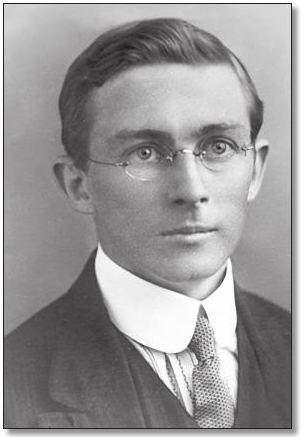
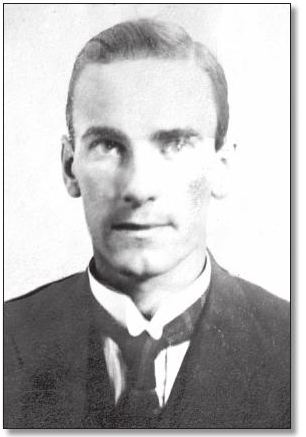
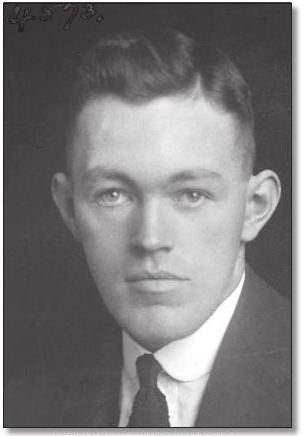
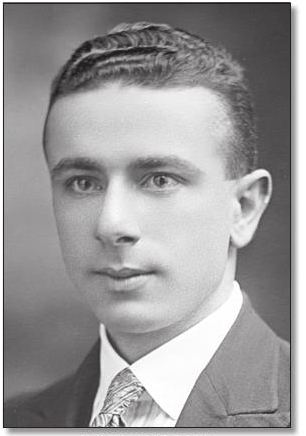
Cecil V Roper
In May 1926, Cecil Valentine Roper, MB (Sydney 1922), ChM (Sydney 1922), took over the practice of Dr Van Epen after doing his residency at Sydney Hospital in 1922–23. His wedding in April in Sydney led to a motoring honeymoon including a stay at Jenolan Caves en route to his future home in Casino. He was a very keen player and president of Casino Tennis Club and a good golfer. After about twelve years in Casino, Dr Roper went to Corrimal, Dubbo and Lane Cove in Sydney, where he died in 1945.
William A Standish
William Alexander Standish, MB, ChM (Sydney 1924), Resident Medical Officer at Sydney Hospital in 1924, was in Casino in 1927, having taken over from Dr Belli in Barker Street. He remained in general practice for about thirty years, taking Dr Burfitt in with him in 1946. He was involved in the NEMA—president twice—and belonged to the golf club. Dr Standish left in 1957 for Mosman, Sydney.
Louis E Jabour
In 1928, Louis Elias Jabour, MB, ChM (Sydney 1926), born in South Grafton, took over the practice of Dr Roper. He was soon involved deeply in civic and medical affairs, being appointed to the hospital board and elected to the Casino Municipal Council, on which he served as mayor for seven years. (For a time Dr Jabour of Casino and Dr Kellas of Lismore were mayors of neighbouring councils.) He acted as the Commonwealth Medical Officer, was foundation president of Rotary, patron of the tennis club and hockey association and was associated with the jockey club and greyhound club. Dr Jabour served as captain in the AIF in WWII and was Medical Officer at RGH Concord for a couple of years. He had a real try at politics in 1949, when as the candidate of the Socialist Party, he campaigned so well his nervous opponents tried to belittle him with the nickname of ‘Dr Jabber Jabber’. He died in Casino in 1970. In 1945 the same four doctors had worked in Casino for seventeen years, allowing for Dr Jabour’s service away with the AIF: Small, Standish, Waddell and Jabour.
Donald S Atkins
Donald Stewart Atkins, MB BS (Sydney 1938), took over the practice of the late Dr Small at the start of 1946. He was Resident Medical Officer at Balmain Hospital in 1938 and South Sydney Hospital in 1939, then worked in 1940 in Camooweal, Queensland, before serving as captain in the AAMC in WWII.
Over more than thirty-five years Dr Atkins worked as Commonwealth Medical Officer, in his general practice and at the hospital. He was active in his support of the Arts Council, School of Arts and the Choral Society and liked to spend time in his home workshop. He was very unwell for some years before he died in the town in 1983.
James M McDonald
In February 1946, James Main McDonald, MB BS (Sydney 1937), Resident Medical Officer at RPAH, Camperdown in 1938, Resident Medical Officer at Toowoomba General Hospital in 1939, set up his rooms in Centre Street. He had been a captain in the AIF in WWII in the Middle East, New Guinea and Borneo. He was a GP and Honorary Medical Officer at Casino DMH, in practice with Dr Waddell until 1951. He joined Dr Dash in Barker Street and worked in the town until going to Sydney in 1961.
Thomas Burfitt
Thomas Burfitt, MB BS (Sydney 1938), FRACGP (1968), the son of a doctor and a yearmate of Dr McDonald, joined Dr Standish later in 1946. He had been Resident Medical Officer in 1937–38 and Medical Superintendent in 1939 at Lewisham Hospital, Sydney, then served overseas in the UK, Dutch New Guinea, NEL, Borneo and the Philippines as a squadron-leader in the RAAF from 1939–45. He became a staunch member of the RSL Association. Dr Burfitt joined Dr Dash and Dr Pollard in 1974.
He retired in June 1983 and was elected the first Emeritus Consultant Medical Officer of Casino Hospital. He died later in the town he had served so well.
Alastair KM Stewart
In 1952, Alastair Keith McKellar Stewart, MB BS (Adelaide 1951), Resident Medical Officer at the Royal Adelaide Hospital in 1951, set up general practice in Gilbey Street. He worked in Casino until 1958, and in 1960 he was in Peakhurst, Sydney.
Edward G Dash
Edward Geoffrey (Geoff) Dash, MB BS (Sydney 1952), started as a GP in Casino in January 1953. He had been a Resident Medical Officer at Casino Memorial Hospital in 1952 and went into practice with Drs Jabour and McDonald, but went later to practise on his own in Bonalbo. He was back in Casino in 1960, working with Dr McDonald in Barker Street. Dr Dash continued in general practice, setting up the Casino Medical Centre in Canterbury Street with Dr Nicholl in 1961.
Dr Dash was involved in the regional medical association, Casino Rotary Club, the Willunga Committee and a keen supporter of local junior rugby league. He teamed up with Dr R Pollard and then Dr Burfitt until leaving in 1981, to work in Sydney with the Commonwealth Health Department.
Neil L Nicholl
In 1961, Neil Livingstone Nicholl, MB BS (QLD 1958), Resident Medical Officer started in Casino with Dr Dash in Canterbury Street. His father was Dr ‘Snow’ Nicholl, of Lismore. Dr Neil Nicholl was in Casino until 1978, when he went to join Dr Gordon Calnan in his practice in Ballina.
Robert H Pollard
Robert Henry Pollard, MB BS (Sydney 1966), Resident Medical Officer at Lismore Base Hospital in 1966–67, went to work with Dr Dash and Dr Nicholl in Canterbury Street in 1967. He had started in a military career at Duntroon Military College, but changed to medicine. Dr Pollard was a GP in the town for ten years, with a particular interest in arboriculture and he went to long-term GP practice in Armidale (NSW).
George A Rail
In 1968, George Arthur Rail, MB ChB (Capetown 1939), MRCP (Edin. 1948), arrived in Casino. His CV shows in WWII, he was a captain in the SRMC in East Africa in 1940–1943, major in the RAMC in India and Ceylon in 1943–46, Consultant Physician to the RAF in Rhodesia in 1951–54, then with the Ghana and Sabah governments in 1955–1968. He set up in rooms in Walker and Canterbury Streets as the inaugural Clinical Consultant in the town—a specialist physician, and was appointed Visiting Medical Officer to Casino Hospital. Dr Rail remained in his position for about six years.
Robert K Spence
Robert Kinross Spence, MB BS (Sydney 1947), FRCS (Edin. 1954), FRACS (1962) began as Specialist General Surgeon in Casino in 1972. He had been a Junior Resident Medical Officer at Balmain Hospital in 1947–48, Senior Resident Medical Officer at RGH, Concord in 1948–51, Resident Surgical Officer at Warneford General Hospital, UK in 1953–54, before appointment as Honorary Surgeon at Manly Hospital, Sydney in 1955–70. He was a flying surgeon in Queensland in 1970-1971, before his appointment at Casino MDH and as Consultant at Lismore Hospital.
Dr Spence had a broad field of surgical expertise and enjoyed living and working on his farm nearby, as well as retaining his fondness for the beach.
Terence J Frost
In 1974, Terence John Frost, MB BS (QLD 1967), was in practice in Centre Street. He had been a Resident Medical Officer at Princess Alexandra Hospital, Brisbane, in 1968, Rockhampton General in 1969 and Medical Superintendent at Mt Morgan and Atherton Hospitals in 1969–1970. He was a captain in the CMF and after two years as a GP, went to Brisbane to start in clinical pathology.
John M Carson
John Meyrick Carson, MB ChB (Witwatersrand, South Africa 1969), started to practise in Casino in Barker Street in 1972. He had previously been an intern and Medical Officer in South Africa in 1969–1971. He became associated in practice with Dr Alan King. Dr Carson left in 1976 to work in Transkei before further training in medicine in London and Sydney and then practising in Melbourne.
Alan R King
In 1976, Alan Robert King, MB BS (QLD 1965), was in Casino, working with Dr Carson. He had been a Resident Medical Officer at Royal Brisbane Hospital in 1966, Medical Registrar at Ipswich General Hospital and Superintendent of Gympie Hospital. After about two years, he moved on to Toowoomba.
Adrian JS Boyd
Adrian John Spencer Boyd, MB BS (Sydney 1972), after resident training in Sydney, started as a GP on his own in 1975 in Dr Frost’s old practice in Centre Street. He had been Pathology Registrar at Royal Brisbane Hospital. He was a very dedicated representative for the Staff Medical Board at the hospital. Dr Boyd became active in civic affairs and was a council alderman and deputy mayor. He was a keen pilot and supporter of aviation medicine. He was a very sociable doctor and kindly tolerant of colleagues’ ribbing about his motorcycling activities.
Thomas A Kearney
In 1976, Thomas Anthony Kearney, MB BS (Sydney 1973), was in general practice for two years before going to Western Australia.
Aldo C Castagna
In 1976, Aldo Caesar Castagna, MB BS (Sydney 1972), Dip RACOG (1978), began his general practice in Centre Street. He had been a Resident Medical Officer at Wollongong Hospital (1972–73), Senior Resident Medical Officer and Registrar at Prince of Wales Hospital (1973–76), then Registrar at Wollongong Hospital in 1976.
His arrival brought the first doctor of Italian descent since 1927. Like Dr Belli, Dr Castagna developed a keen interest in racehorses while working very hard to care for his many patients in all facets of rural medicine.
Frederick W Banks
Frederick William Banks, MB ChB (Otago, NZ, 1964) came to the town to take over Dr King’s practice in 1977. He had been a Resident Medical Officer at Invercargill Hospital (1975-1976) and then worked as solo GP in Lockhart and in Bega, NSW, for ten years before he set up in solo practice in Barker Street in the building with a long medical history since Dr Belli in 1914. Dr Banks carried out a full range of rural doctor services, with anaesthetics, surgical procedures and obstetrics with the cooperation of his fellow GPs.
He was able to continue his long-time recreation of ocean swimming by weekend visits to the coast.
Selvadurai Senthilvasan/Vasan
In 1977, Selvadurai Senthilvasan, took over Dr Carson’s practice in Barker Street. He had graduated MB BS (Gauhati, India 1965) and trained at the General Hospital, Ipoh and in Kuala Lumpur in 1966–69, before coming to Australia and working at the Repatriation GH, Heidelberg (Vict). He practised under the name of Senthil Vasan and was a staunch advocate for rural doctors, both in his area and in general.
He soon developed an interest in civic affairs, his calm manner and quiet leadership qualities resulting later in his election to the office of mayor of Casino. He was a very keen pilot and member of the aero club.
Hugh P Dearnley
Hugh Philip Dearnley, MB BS (Sydney 1974), came in 1978 to practise with Dr Dash for three years. He was a GP and was an exceptional long-distance runner, noted for successes in the arduous annual Chincogan Charge in Mullumbimby. He moved on to Broken Hill.
Juriaan JH Beek
In late 1980, Juriaan Jan Hein Beek, BSc, MSc (NSW), MB BS (NSW 1977), DRCOG, Cert. of Family Planning, started in the Casino Medical Centre. Born in Holland, he arrived in Australia in 1950 and started his professional life as a graduate industrial chemist and researcher, then became a mature age medical student. Having been a Resident at Prince of Wales, Hornsby and Newcastle Western Suburbs Hospitals, he worked in the Scone area. In Casino, he engaged in all rural GP disciplines, with a lot of obstetrics and was a keen advocate and participator in rural medical training, education and practice.
Ross I White
Ross Ian White, BSc Med (Hons Sydney 1974), MB BS (Sydney 1977), DRACOG (1981), joined the Casino Medical Centre in 1981. He had been Resident Medical Officer at Hornsby and District Hospital (1977–79) on the recently instituted Family Medicine Training Program, and at St Margaret’s Hospital, Sydney (1980-1981.
George C Simpson
In 1983, George Cummings Simpson, MB BS (Sydney 1978), FRACGP, started in the Casino Medical Centre with Drs Beek and White. He was a graduate of the FMP, including a residency at Lismore Base Hospital, then spent time in the UK at hospitals in Kent and Sussex, getting his DRCOG and Diploma of Family Planning and experience in anaesthetics to equip himself well for rural practice.
James N Barson
James Neil Barson, MB BS (Melbourne 1975), FFARACS, DRCOG, arrived in 1985 as Casino’s first resident specialist in anaesthetics and intensive care. He had extensive training in Melbourne before becoming a great medical asset in town.