Lismore
Lismore started off as a small river village in between the larger centres of Ballina and Casino. Although it was a very winding seventy-kilometre upriver trip from Ballina, passenger steamers sailed to Lismore where new settlement started about 1843.
Josiah W Walker
In 1867, Josiah Wesley Walker arrived in Lismore. He was born in Lincoln, England in 1810, son of a minister, and in 1825 was apprenticed to Dr John Denton in Leicester for five years, following which he attended The Middlesex Hospital and became a LMSSA (Eng., 1832). After that, he worked at Guy’s and London Hospitals to be awarded MRCS (Eng.). He was associated with an eminent obstetrician in London, but decided to become Medical Superintendent of Bedlam (Mental) Hospital in London for some years, during which he encountered his own psychological problems.
Apparently, one of his professors helped him get a passage as a sailing ship’s surgeon-chaplain to start a new life in Australia, arriving in 1848 at the age of thirty-eight, with a wife and seven children. After Captain John MacArthur invited him to set up practice in Camden, Dr Walker spent ‘many’ years there, before practising in Burwood, Wollombi, Nundle and Milton.
When he went to Lismore in December 1867, at the age of fifty-seven, his son had a pharmacy in Woodlark Street. Dr Walker lived in Colemans Point, which did have some houses large enough for the Walker entourage,
Research Notes
(1) Dr WT Barker is sometimes mentioned as being the first recorded doctor in Lismore, but
the conclusion of this study is that he actually practised in Casino from 1857, was a visitor
to the Gundurimba area on the outskirts of Lismore, died there in 1863 and was buried in
the local cemetery.
(2) George William Locke ‘MB, MRCS’, sometimes mentioned as being a doctor in Lismore
and Gundurimba in 1873, was not registered in NSW until 1879, long after he left Lismore. His
advertised colourful CV in the Sydney press in 1868 supports his non-inclusion in this study.
and practised from above the pharmacy, in which he trained a local man as an apothecary. He was appointed Government Medical Officer and Public Vaccinator as well as acting for an insurance company. Dr Rowlands was in Lismore at the same time for a few years and, later on, Dr Bernstein and Dr Parker.
He was reported in 1878 to have been called to treat the Wyrallah publican with lockjaw, and after treatment and staying with the patient all night, achieved a successful outcome—an unusual result for the times. One thing standing out from reports of his time in practice was the frequency with which he had to resort to court help for payment of accounts for treatment and travelling expenses. Having to relinquish his government positions in November 1879, Dr Walker died at home the following month after ‘ailing for some little time’.
Daniel G Rowlands
Daniel George Rowlands, MRCS (Eng.), LMSA, born in Camarthen, South Wales in 1845, started practice in Lismore at the end of 1876 (the year that the place previously known as ‘Sleepy Hollow’ became the village of Lismore), having been about six months in Casino. His earlier story is told in the Ballina section. He was said to practise ‘all over the rivers’ and was a great traveller to see patients, using a horse or a dray, which probably revealed his poor financial state. Dr Rowlands was listed in the local paper directory and in court as being a surgeon resident in Lismore, where he seemed to be for about three years.
He was a respected, clever young surgeon but he died in Lismore in February 1879 at the age of thirty-four, sadly on the other side of the world to his homeland. His death was officially attributed to the effects of alcohol. He had gathered enough friends for them to take up a collection for a wooden monument on his grave.
Joseph Foreman
In June 1877, Joseph Foreman, MRCS and LSA (Eng. 1873), LRCP (Edin. 1874), followed by two years working in the home counties, started practice in Lismore in Colemans Point. He had been visiting Ballina and Lismore previously as Medical Referee of the AMP Society. He stayed one year in Lismore and moved to Casino (full entry in that section).
Ludwik Bernstein
The history of Lismore, medically and socially, changed greatly when Ludwik Bernstein, MD (Heidelberg 1864) arrived 14 December 1878. Born in 1838 in Warsaw, Poland with Russian and Polish parents, he went to Heidelberg to study medicine and proceeded to further study in Edinburgh and Paris. He also used the qualifications FRS.E and FCS (Fellow of the Chemical Society), then MD (Brussels, 1885).
His early start to a life of political activism made him leave his homeland and he turned to Australia, arriving in 1866 in Brisbane after a 100-day voyage as ship’s surgeon and delivering six babies on board. Dr Bernstein went to North Queensland and practised in Rockhampton, then moved down to Stanthorpe in 1873 before going to Sydney, where according to his advertisements he worked as surgeon at Prince Alfred Memorial Hospital.
He spent 1877 in Tenterfield where it was considered a great loss when he moved on to Lismore. Dr Bernstein started off in two rented rooms in Molesworth Street, then he bought the whole house, leading to an extraordinary devotion to medical and civic matters for the next twenty-nine years.
When he started in the town, there was no public hospital and poor town utilities generally. Within one year he had been active in the Lismore Jockey Club, elected alderman on the then Lismore Municipal Council and made Medical Officer for the Colonial Mutual Life Assurance Society. Thereafter, he progressed to be committeeman and judge for the jockey club (raising eyebrows by calling dead-heats for first in three consecutive races), Government Medical Officer and Public Vaccinator for the region, Justice of the Peace (which involved magistrate court duties) and Coroner, as well as being on the Visiting Medical Staff and Committee (Management Board) of the Lismore Cottage Hospital, for which he and Dr AF Parker fought so hard, resulting in two small wards opening in 1883.
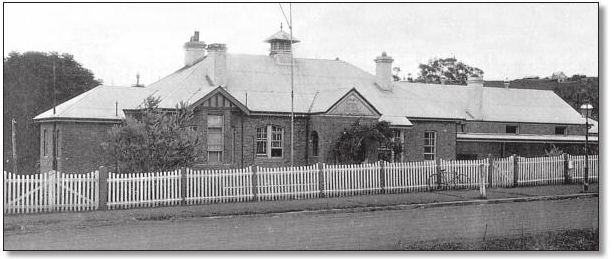
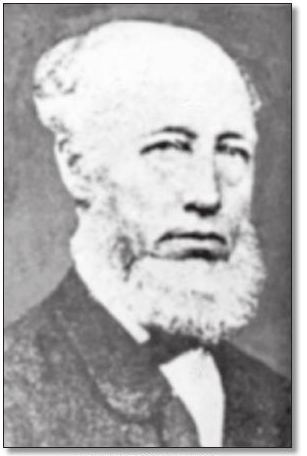
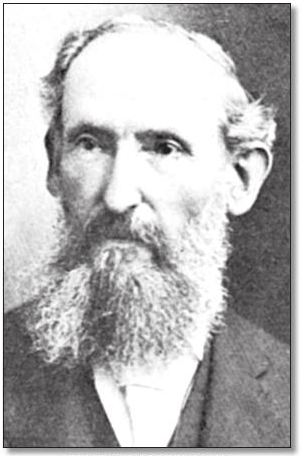
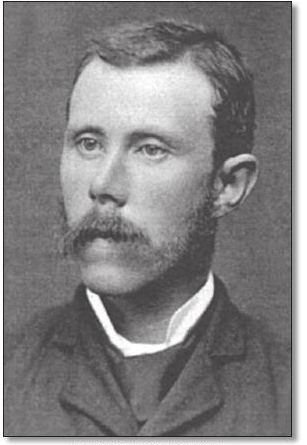
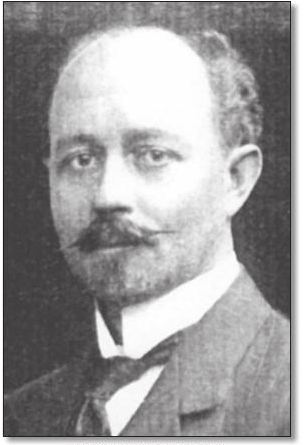
Naturally, all this led to many accusations of conflict of interest, but Dr Bernstein was always prepared to be in the thick of the action, and certainly did not hold back with his opinion or accept willingly any opposing view. There were some prickly members of the Hospital Committee and, later on, criticism of exclusion from the hospital by non-elected doctors in the town but Dr Bernstein remained unmoved and was usually vindicated in his judgment.
He kept on increasing his civic services with presidency of the football club and also the Public Schools’ Association, officiating as judge in fine arts at shows and acting as official meteorologist for the area for more than twenty years—all this while being alderman and several times mayor on the council for almost twenty-five years and also carrying on his medical practice.
He played a very significant role in the introduction of water, sewerage and gas systems in Lismore, as well as being in the group of original telephone subscribers. In his ‘spare time’ he was a prize-winning artist. In 1904 Dr Bernstein must have been feeling the effects of his hectic life as he told friends that he planned to leave and spend his last few years in his homeland, but he called that off. He died in August 1907 and his funeral was attended by a large number of mourners who saw a huge cavalcade of eighty motor buggies and the revered doctor’s coffin borne by the current mayor and five past mayors. He left behind his colleague of many years, Dr Parker, with whom he had always been on very good terms socially and professionally.
Arthur F Parker
Arthur Frederick Parker, LSA, MRCS (Eng. 1876), was born in Clifton, Bristol, England, in 1851 and graduated from University College Hospital, London. He arrived in Australia in September 1878 as a saloon passenger. He was the son of a doctor and stayed with his brother in Coraki, where he advertised his presence in November 1878, being available for consultation there until he started practice shortly as a physician and surgeon in Lismore. Dr Parker had worked as Resident Surgeon at Bristol General Hospital, England.
He started in Lismore in 1879, stressing his registered status, initially in rented rooms and then at Colemans Point. He became Coroner and Government Medical Officer for the Richmond region and Public Vaccinator (taking over from Dr Walker) and had a nurse to assist in his rooms. He and Dr Bernstein were great activists for the building of Lismore Hospital and after it was opened in 1883, when the population of the town was reported as 473, he was responsible for formulating the code of rules of the hospital.
The hospital building was of timber, on a 3-acre site at Postmans Ridge, had 8–10 beds in male and female blocks and cost 380 pounds, collected from police fines and public subscriptions. The Hospital Centenary Report states that it was the only charitable institution of the kind in the Richmond River region (i.e. all others were privately run and attracted bed and medical fees). Almost as soon as it was built, there was agitation for a ‘new’ hospital, which was planned from 1900 and occupied in July 1904.
In August 1884, Dr Parker had a farewell from his friends, including Dr Bernstein, and went to England. He sold his practice to Dr RN Gaggin in March 1885 but returned to Australia in November with the degree of MD (Brussels), practising in Woollahra and then Inverell. He was back in Lismore by May 1886, working from Zadoc Street. He had already become known as a fine, skilled and considerate doctor who would travel many miles away from Lismore on horseback to treat a sick patient. Dr FG Connor (from Coraki) joined him in his practice in May 1890 and in July Dr Parker resigned from the hospital with Dr Connor replacing him. Dr Parker went to Sydney, then to Berlin to study tuberculosis with Professor Koch and also other diseases of the chest and heart.
After practising in Sydney for four years, he returned to Lismore in 1895 and he and Dr Bernstein were the only two nominations for Visiting Medical Officer at Lismore Hospital again. Dr Parker had married a much younger ‘local girl’ and as a very keen tennis player, he became one of the founding members of Lismore Tennis Club, also a very keen gardener, supporter of the School of Arts, judge in fine arts in local shows, generous supporter of the Anglican Church and founding president of the local branch of the British Medical Association—the NEMA, in 1912.
He and Dr Connor seemed to have introduced a more moderate medical climate in the town and the doctors co-operated literally to share patient care and help each other. Dr Connor had had to retire from Lismore at the end of 1902 and Dr Bernstein died in August 1907, but Dr Parker continued on with the new doctors in town. In 1910, Dr Parker was reported to have ‘gone in for a motorised buggy’ and sold his pony and harness. That same year, he was appointed Medical Officer to the Railways and drove his vehicle on a return trip to Sydney.
In 1921 a notable event for the Parker family was the lady of the house being made a Justice of the Peace. Due to failing health, Dr Parker had given up active practice some years before he died on 22 May 1927, aged seventy-six. The local newspaper noted that when he started in Lismore in 1879 there were four to five doctors between Woodburn and Tweed Heads and ‘now there are forty-one’. His practice was taken over by Dr JS Milne.
John G Smith
A notable doctor associated with Lismore was John Govett Smith, MRCS (Eng. 1854). He was born in Devon, the son of a doctor and served in the Royal Navy in the Crimean War and Indian Mutiny, being awarded the Silver War Medal with two clasps. In 1862 he arrived in Melbourne and gradually worked his way north in various government medical posts until he was Government Medical Officer in Grafton on and off from 1864, with occasional trips overseas.
His Government Medical Officer position from 1878 led to regular visits to Lismore as a very strong supporter of the movement to build Lismore Hospital. His obvious enterprise led to his starting a little bit of ‘moonlighting’ in June 1884 from his advertised rooms, ‘Rous Villa’, at Postmans Hill, across the road from the newly-opened hospital. He tried consulting combined with a mail order medicinal scheme for about two years before he went back to the islands of the Clarence, where he died in 1891 at the age of sixty-three.
Richard N Gaggin
Richard Nason Gaggin, LRCP & LRCS (Edin. 1884), L Mid (Edin. 1884), started to practise in Lismore in March 1885 from a temporary residence in a hotel, but then moved into Dr Parker’s rooms, ‘Riverview’, in Molesworth Street. He was born in Ireland in 1831, went into farming and saw the writing on the wall for farmers. Dr Gaggin graduated from Edinburgh University, in modern terms as a mature-aged student aged fifty-four, and then worked as the Medical Superintendent of the Newcastle on Tyne Hospital in England and Medical Officer to the Firth Bridge Construction Service.
He advertised that he was late of West Kensington (London), Edinburgh and Cork and when he arrived in Lismore he was promptly labelled an unregistered medical practitioner, but he was unchallenged in court on 11 December 1886, when he deposed that he was ‘a duly qualified doctor’. He was openly critical of the Visiting Medical Officer arrangement at the public hospital, but as he became very busy and proved to be a very good surgeon and popular doctor, he was added to the visiting staff officially as a Visiting Anaesthetist, becoming the first in that field. He and Dr Parker covered each other’s patients when one was on leave.
In May 1886 Dr Gaggin was reported to have ridden on a call from Lismore to Coraki in less than one and a half hours. In 1886 he did an historic Caesarean section when called to Ballina. During all his time in Lismore his wife was a confirmed invalid, who actually survived him by only nine months. He changed his residence after a few years to Zadoc Street, opposite the Anglican church of which he was a great supporter. He was a very charitable man, highly esteemed throughout the district because of his great intellectual capabilities and lofty principles.
In 1901 he became Government Medical Officer (District Health Officer), but in 1902 was unfazed by a fine of forty shillings and costs for keeping unclean premises—a charge brought by the local Inspector of Nuisances (Health Inspector). Dr Gaggin died in Lismore at eighty-five on 20 February 1916, having been father of nine children and a highly-respected doctor residing in Lismore for thirty years, despite his late start.
Eustace HL Pratt
In November 1887, Eustace Henry Lever Pratt, LSA (Eng. 1862), MRCS (Eng. 1862), MD (St Andrew’s 1865), JP, started practice in Lismore. Son of an English surgeon, he was born in London in 1842, was a House Surgeon at Guy’s Hospital in London and Surgeon to the Army (where he spent time in India and probably became fluent in Mandarin Chinese), before coming to Australia.
He got close to being a true ‘Aussie’ by marrying in Gundagai in 1870 while working there, then practising in Forbes and Tamworth as a surgeon for over ten years. He had become a great opponent of the use of chloroform as an anaesthetic agent and also ‘quackery’. He proved to be a great media user, by placing announcements of his impending benefit on the Lismore medical scene by his operational skill, well before he actually arrived. Dr Pratt may have been a very good doctor, but he obviously misjudged the innate conservative nature of country folk, despite their respect for educated professional people.
He was a constant advertiser of his presence in his Keen Street practice and was also a persistent open critic of the public hospital system in operation at the time, e.g. his public statements that he was far more senior and experienced than the two doctors who had been through the mill to get the hospital going and flourishing and who refrained from any form of public retaliation. The end result was Dr Pratt’s medical practice, despite all his hard work in the town and offering his services at the public hospital free and regular consulting days in Ballina and Casino, followed the prediction of the local newspaper on his arrival—‘we hope he will find Lismore a pleasant place, if not profitable’. Later doctors would confirm that frequent sitting on the court bench as a JP in judgment of the local populace and regular absences looking for work in other towns does not result in a good and happy medical practice.
His having to bring regular court claims for non-payment for his skilful services probably indicated his reason for leaving in July 1892, and passing his practice on to Dr Macqueen, without any stated idea about his own medical future. Dr Pratt wrote several medical tomes and later practised in Tamworth and finally in Sydney, where he had followed his interest in diseases of the skin, before dying in October 1899. His obituary did not make any mention of Lismore.
He was responsible for the introduction of Dr Frank Calder, MB (Eng.), FRCS (Eng.), LRCP (Eng.), whose imminent arrival in Australia as partner to Dr Pratt was advertised for four weeks, with the offer to consult with both doctors and be charged for only one, only for Dr Calder to arrive and presumably, concluding that his future in that practice was not promising, depart nine days later, thereby spending the shortest time in medical practice in Lismore’s history, before going to Bundaberg and then Forbes.
Francis G Connor
Francis Gillies Connor, MB, ChB (Edin. 1883), moved from Coraki to Lismore in January 1890. He was born at Swan Creek, on the Clarence in 1861. His mother took him and his brother to Scotland for their education and he graduated from Edinburgh University, returning in due course to his homeland. He started in Coraki in 1886 but he ‘was worn out’ working alone by 1890, so he left Coraki and soon moved in with Dr Parker in Zadoc Street in May 1890, buying the practice that July. He also took over Dr Parker’s position at the hospital.
He gave lectures in first aid in Lismore, was active in the A&I Society, was on the board of Lismore Public School and president of the newly-formed Far North Coast Cricket Association (in 1894). In December 1892, Dr Connor had advertised his partnership with Dr Archibald John Macqueen with the first telephone link between practices. This enabled him to have one year respite in 1895 and he went for a trip to the UK and returned with his MD (Edin. 1895).
In 1897 he did the first recorded craniotomy (open brain operation) in the area, on an unconscious patient who had sustained a depressed fracture of the skull with brain laceration and recovered fully. Dr Connor continued as a very popular doctor, renowned for his genial manners, great surgical skill and uniform attention to his patients, and in October 1902 he entered into partnership with Dr William James Tilley. Unfortunately, Dr Connor’s general health was not satisfactory and after a very emotional farewell and the gratitude of the MUIOOF Lodge and other patients he had served for twelve years, he left in January 1903, disposing of the practice to Dr Tilley.
He was said to be one of the best-known figures about Lismore in his time during which, before the days of the motor car and good roads, he travelled long hours with many consecutive nights’ loss of sleep, often during the frequent floods. At his farewell, Dr Connor regretted that his busy medical life and poor hearing stopped him taking much part in public affairs. He went to Sydney but, in his typical fashion, returned to the great delight of his old friends and patients in the area, to set up practice in Mullumbimby in 1906. He died in Sydney at the age of sixty.
Roderick MacDonald
In 1891, Roderick MacDonald, MB, ChM (Glasgow 1884), was in Lismore. He worked in Glasgow hospitals until he arrived in Australia in 1887 and practised in Maclean. From 1891 to 1894, he was Medical Officer to the Railways, caring on site for the workers constructing the Lismore to Tweed rail line. Dr MacDonald was often in Lismore on official railway duties, mostly in court on matters relating to the workers. He moved north progressively with completion of the segments of the line.
John T Dale
John Thomas Dale, LRCP, LRCS (Edin. 1873), sailed into Lismore in June 1892. He is mentioned frequently in stories of the town at the time, although his stay in the area was probably only about six months. He was a sad case, being a self-treated alcoholic man reputedly from the upper echelons of English society and relied on the lodges in various parts of NSW to survive as a doctor. He was actually appointed as a Honorary Medical Officer at Lismore Hospital but was said to follow the rail workers around. In November 1892 he was trying to sue for wrongful dismissal from his position as Medical Officer to the Protestant Alliance Society Lodge, but the court heard that his alcohol problem made him unfit to attend patients and, despite unexpected support from Dr Bernstein, he lost the case.
After he had been physically incapable of attending a small child suffocating on a gooseberry husk, he appears to have taken off for the west of the state. Dr Dale’s life was cut short at the end of 1897 when he ingested prussic acid in his little flat in Macquarie Street, Sydney.
Archibald J Macqueen
In July 1892, Archibald John Macqueen, LRCP, MRCS (Edin.), LFP&S (Glasgow), FRCS (Edin.), MD (Brussels), took over the practice of Dr Pratt in Keen Street, after arriving one month previously to start and then ‘altering’ his mind, leaving to practise in Goulburn, then deciding against that and returning to Lismore. He had previously been a House Surgeon at Glasgow Royal Infirmary and Lying-in Hospital before starting in Australia at Forbes and Narrabri for eight years, then going on a long tour of Great Britain, America, Belgium and France, devoting a lot of time to study all the recent discoveries in medical science.
At one stage, Drs Parker, Bernstein and Macqueen were cynically dubbed the ‘cartel’ at the Lismore Hospital, but they were very busy and popular doctors and the Hospital Committee had no complaint with them. Dr Macqueen soon became elected vice-president of a new group—the Literary and Debating Society, Dr Connor being the ‘Premier’. He was also appointed Medical Officer to the Pride of Lismore Lodge, was Honorary Doctor to the Ladies’ Benevolent Society and was made a JP, which required him to sit on the local bench.
In May 1896, Dr Macqueen did the first operation, with Dr PE Corlis, in the new Ballina District Hospital, on the fractured leg of a man named Smith! He practised in close association with Dr Connor and gave lectures to the St John Ambulance Society. Dr Macqueen left Lismore abruptly at the end of February 1897 to practise in Grenfell but in that September resumed in Lismore in new premises, explaining that he had tried working in several drought-affected areas, but he resumed normal practice in Lismore, even picking up another insurance company on his books. He also took a place on the Lismore Choral Society Committee.
In July 1898, the previous medical harmony appears to have ended when his application for Medical Officer at the hospital was denied on the casting vote of the chairman, and within a week he arranged to leave Lismore and even Australia, although this was soon modified to practising on the opposite side of the country in Laverton, WA. Dr Macqueen died in Derby in 1906 at church. He left behind his son who was to return to practise in his father’s old stamping grounds years later.
In 1897, the population of the town was reportedly 3500, with the district said to be 20,000.
Oscar RP Muller
Oscar Rudolph Percy Muller, MB, ChB (Melbourne 1894), Resident Medical Officer at St Vincent’s Hospital, Sydney in 1895–97 and then Honorary Medical Officer at Hill End Hospital in NSW, took over the practice of Dr Macqueen in July 1898 and, interestingly, was made a Honorary Medical Officer with Dr Parker. He settled in easily and started lecturing to the ‘probationer’ nurses, and became patron of the redoubtable Half Holiday Cricket Club. Dr Muller probably did not have any difficulty spending the twenty-five pounds ‘gratuity’ from the hospital in 1899. He lost his wife in 1901 and really threw himself into many activities—flower growing and showing, exhibiting horses and their attachments, playing and being on the executive of the tennis and golf clubs and becoming patron of the rowing club, which in those days was a very active group.
Having reputedly become the proud owner of one of Lismore’s first horseless carriages—a dark-red Russell—in 1908, he was then charged with driving at the breakneck speed of more than six mph and fined ten shillings and costs, presumably in the absence of any Samaritan agreement. The same handsome vehicle caused more chagrin when it broke an axle on the Casino road and Dr Muller and his passengers had to enlist the services of a passing bullock team, which pulled them unceremoniously to Lismore.
He was obviously a very slick surgeon, in April 1904 removing a bullet from a child’s brain with good outcome. Another notable occasion was in December 1908 when Dr Muller did a rare and difficult operation to remove a tumour from the leg of Dr Tomlins of Alstonville, with the assistance of Dr Coen and Dr Humphery in Lismore, providing an unusual situation in those days of four very competent doctors in theatre at the same time.
In May 1914, he went into partnership with Dr Inglis Robertson in the beautiful building in Molesworth Street, which later became the home of the Lismore Medical Clinic. He served as a Medical Officer in WWI and in March 1915, he was given a farewell by St Andrew’s Church, of which he was a very staunch and generous benefactor, but declined a formal farewell from the town. After a trip to Europe, he settled in Sydney but kept returning to Lismore for occasions, such as the show, and even did a locum for Dr KG Lawrance in 1941, eight years before he died.
Charles H Smith Hozier
On 3 January 1900, Charles Henry Smith Hozier, LRCS (Ireland 1871), L&L Mid. KQCPS (Ireland 1871), FRCS (Ireland 1883), arrived in Lismore on the Tomki. He started to practise from rooms in Molesworth Street and his home in Keen Street. Born in 1851, he studied in Dublin, then took hospital positions at Coombe Hospital and Mercer’s Hospital in Dublin, then in Inverness, Chester, Southport and Dingwall in the UK before practising in Australia from 1884 in Gundagai, Windsor, Sydney, then in Brisbane, where he advertised his previous experience in clinics in London, Paris and Vienna.
Dr Smith Hozier was a life member of St John Ambulance Association and readily accepted the appointment as instructor and examiner to the local branch, and he was in the foundation shoot of the Lismore Gun Club in 1900. Unfortunately, there was no Medical Officer vacancy at the Lismore Hospital and he had to practise from the private hospitals. He was an open critic of the hospital appointments and, after a very public offer of his services on a voluntary basis was declined, he left Lismore at the end of 1903, heading for Tasmania. He served as Medical Officer on a troop ship in WWI and reached the age of eighty-five.
Leighton Kesteven
Leighton Kesteven, MRCS (Eng.), JP, arrived from Sydney to work as locum for Dr Connor on 24 September 1902. English-born, he had been a student at St Bartholomew’s Hospital in London and worked as Medical Officer at several asylums in England before taking the post of Chief Medical Officer of Fiji, Medical Superintendent of Brisbane General Hospital for ten years and Medical Officer at Bourke in NSW. He produced several useful medical publications in England and Australia. After one month Dr Kesteven changed his address to that of Dr Bernstein, and probably ran that practice for two years.
Dr Kesteven was used by the courts as magistrate and was involved in the newly-formed and exotically named Richmond River Poultry, Pigeon, Canary and Dog Society and also the photographic club. He made it known that he would consult in Alstonville but the viability of that plan is uncertain. Dr Kesteven left Lismore in September 1904 and settled in Mullumbimby as its first resident doctor.
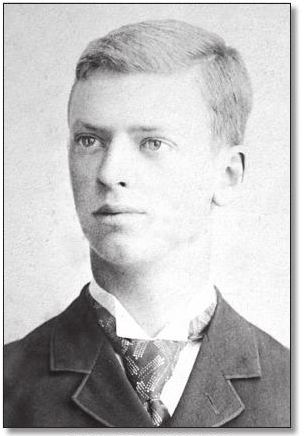
William J Tilley
In October 1902, English-born William James Tilley, MRCS (Eng. 1882), LRCP (Eng. 1884), started working with the ailing Dr Connor. He was a student at Guy’s Hospital, London, then was House Surgeon at York Road Hospital in London and at Buxton Rheumatic Hospital, Derbyshire. In 1887 he was in Warwick, Queensland, and then worked in North Sydney before sailing in style on the SS Tomki to Lismore. The practice was described at that time as one of the largest country practices in the state (an obvious tribute to Dr Connor’s energy and expertise). He showed his mettle as a fine surgeon soon after arrival, and in January 1903 he was on his own in the practice in Zadoc Street, as his new partner could not continue. Dr Tilley was then appointed to Lismore Hospital with Dr Parker, but he and Dr Muller did a lot of operating at Dongrayald Private Hospital on the river bank. He was also appointed Medical Officer to MUIOOF Lodge.
Dr Tilley was widely read and accomplished in many branches of science and art, with serious interest in horticulture, as well as liking photography, fishing, surfing and tennis. In August 1904, he went to Sydney, leaving Dr JS Milne as his locum but in November he disposed of his practice to Dr Milne with the aim of having a break overseas. However, by January 1906, Dr Tilley was back consulting in Keen Street. In March he covered Dr Milne’s patients, then in June the ‘partnership’ was dissolved and Dr Tilley took over all the patients.
At the end of November 1907, he announced that he was ill and went to the Blue Mountains to recover. Then, because of his ill health, in March 1908 his practice was taken over by Dr J Coen, who had been his locum for four months. He tried the cooler climate of Cowra next, but his poor health continued until he died in Warwick, Queensland in 1919—described as not relying on a magnetic personality to succeed in his profession, but as a most lovable man with a suave manner, genial disposition and kindness of heart.
George A Innes Mackay
George Archibald Innes Mackay, MRCP & LRCS (Edin. 1892), LFPS (Glasgow 1895), started consulting in his residence in Keen Street in February 1903. He felt at home in Maclean, the little Scottish town on the Clarence, where he practised from May 1896 for seven years until he moved to Lismore ‘to enter larger fields’. Initially, he advertised a weekly consultation at the Great Northern Hotel in Byron Bay, with visits to Bangalow and Mullumbimby, if required. He had been involved in founding a local militia group—The Scottish Rifles. Dr Innes Mackay seemed to be quite involved in Lismore, particularly in the A&I Society, the rifle club, the poultry club and as captain of the Lismore Mounted Rifle Squadron. He even had a new residence built in Zadoc Street but, suddenly, at the beginning of 1909 he sold his practice to Dr Henderson and went to Cessnock in NSW and then Western Australia as Government Medical Officer of the Shark Bay region where he died unexpectedly in that post in 1924, aged forty-seven.
Albert T Duka
In May 1903, Albert Theophilus Duka, DSO, BA (Cambridge 1888) and MA (Cambridge 1892), LSA (Eng. 1891), MRCS & LRCP (Eng. 1892), started in Dr Smith Hozier’s practice, after a transaction described later in a court settlement as unethical behaviour by Dr Smith Hozier. Born in 1866 of Hungarian heritage, he practised in Kensington in London, before going to Mackay in North Queensland in 1897 for two years and then enlisting as Medical Officer in the Queensland Mounted Cavalry in the Boer War— in which he was awarded the DSO, two Mentions in Despatches and the Queen’s Medal with two clasps for extraordinary valour and devotion to duty.
Just as he started in Lismore he learned that he had inherited a very large amount of money but he was a dedicated doctor, Classics scholar and lodge member who, with his friendly co-operative colleague, Dr Franceschi, staffed Lismore Hospital for eighteen months, working on ‘a pittance’ while turning out record levels of clinical load when the hospital was in dire straits, resulting in his reputation as having a philanthropic nature. Dr Duka found time to go into cattle breeding and exhibiting pony harness.
He was involved in formulating a public health plan against the rising problem of plague in the town. He left Lismore in October 1905 with the conviction that he should be present at his parents’ Golden Wedding in England. He did not return to Australia and disposed of his practice to Dr Humphery. He enlisted in WWI, fought at Mons in France and worked in a military hospital in England, thereafter taking a government position until he died in 1923 at the age of fifty-seven.
Carlo Franceschi
Carlo Franceschi, MD (Florence 1888) was born in Florence in 1865 and arrived in Lismore in 1903. He was Resident Surgeon at the General Hospital in Florence, Clinical Assistant in Gynaecology and Midwifery at the University Hospital and Chief Surgeon to Outpatients at Santa Maria Nova Hospital in Sofia in Italy. He attained the rank of major in the Army before arriving in Australia aged thirty and practising in Walgett and Wee Waa in NSW. In Walgett a fire destroyed all his books and most of his instruments and drugs in 1903 and he left that area. In November he ‘intimated’ in the local Lismore paper that he had commenced practise of his profession in Molesworth Street.
He became the Medical Officer of the Rous MUIOOF Lodge and was soon a Visiting Medical Officer at the Lismore Hospital. He lectured and examined in the first aid courses and was always a staunch supporter of the Catholic Church, the bishop being one of his greatest fans, also later being a strong supporter of St Vincent’s Hospital. Dr Franceschi had a great love for the arts and encouraged his two talented daughters in serious singing and musical pursuits. He was a proud exhibitor of horses, keen player and office bearer at the bowling club since its foundation, committee member of the coursing club, as well as having a very active part in the philharmonic society.
In 1908 Dr Franceschi protested at the actions of the Hospital Board inviting an ‘outside’ doctor to use the hospital facilities and resigned with all the accredited hospital doctors, weathering a particularly offensive reaction from the board before a speedy resolution from them to revert to the original rules by which the hospital operated.
He served terms as Medical Superintendent and Government Medical Officer, the latter during the pneumonic flu epidemic of 1919, which placed a very heavy administrative and clinical burden on him and led to his giving up the Government Medical Officer post soon after. At the end of August 1920, Dr Franceschi was accorded a public farewell, with extraordinary generosity shown by the townspeople in a farewell gift. He left a huge practice in town and all parts of the surrounding district. John Stuart MacFarlane, MB (Sydney 1908), Resident Medical Officer at RPAH (1908), had come from Wellington in NSW to run the practice in August 1920, but despite his popularity in the Caledonian Club, he left in November 1921 and went to Cessnock in NSW.
Dr Franceschi, after fifteen months in Macquarie Street in Sydney, was back in Lismore in the Conway Street home and practice, reportedly ‘yielding to the solicitations of his friends and patients to come back and look after them’. He had time to operate on the bishop and play bowls before his reported recovery from ill health stalled and he died at his home in March 1922. He had only been back to his homeland once since he had been in Australia—to try to help his daughter to a singing career in 1913. His house and practice were taken over by Dr J Leslie Roberts.
James S Milne
In August 1904, James Shaw Milne, MB, ChM (Aberdeen 1885), started work in Lismore, initially as a locum, then associate of Dr Tilley. He was a Scot, claiming descendancy from Robert Burns and had practised in North Sydney for many years. Dr Milne had interests in showing pony harness and in re-afforestation on a farm at Koonorigan, but his association with Dr Tilley ceased and he left Lismore in the middle of 1906. After that he was at Dulwich Hill, North Sydney and Coolangatta before returning to Scotland in 1940.
Esca M Humphery
Esca Morris Humphery, MB, ChM (Sydney 1902), bought Dr Duka’s practice in March 1906, having previously been in Maclean in 1903 and Bellingen in 1903–5. He was a very stylish and artistic man who soon joined the Anglican Parish Council, the Temperance Lodge, the Visiting Medical Staff at Lismore Hospital and the judges in arts and crafts at the local A&I Shows. A very accomplished flute-player, Dr Humphery was a force behind the group, including Dr Cahill, to establish a Lismore Musical Festival Society. He was a keen shower of buggy horses but in 1909, he moved easily with the times and bought a fine motor buggy which was often used to convey visiting dignitaries around the district.
He had a well-run practice with a nurse and dispenser in his surgery. Soon after he joined the hospital visiting staff, the Hospital Committee demanded his resignation when he protested about the hospital encouraging visits from a non-appointed doctor—a move quickly regretted by the committee when the whole medical staff left with him, only to return soon after when the positions at the hospital were blacklisted by the BMA, to which Dr Humphery devoted much of his time in Lismore, and nobody applied for the unwisely advertised ‘vacancies’.
Dr Humphery was regarded as doing a great deal as a townsman, for example, campaigning for road signs at danger spots, and for smallpox vaccination to avoid the terrible disfigurement of the victims. In May 1914, he started to sell his collection of fine paintings and this set off a round of farewells ending with a civic gathering at the council chambers in June 1914. A new phase started for him around Hornsby with a long-lasting surgical appointment to Royal North Shore Hospital.
Augusto Braccer
In January 1907, Augusto Braccer, MD (Parma 1900), arrived in town, initially as a locum to cover for Dr Franceschi, but later working with him in the practice. He was born in Italy in 1870 and had come from Walgett, causing the people of that town to comment that Lismore had stolen yet another of their medical men. He was appointed to Lismore Hospital in his own right and survived the ‘outside doctor’ controversy but he resigned from the hospital in March 1908, resulting in an ‘outsider’ being appointed to the hospital. Dr Braccer bought a house block in Lismore at the end of 1908, but by the end of the next year he was in Bourke and finally in Surat in North Queensland for many years.
Jessie M Stewart
Jessie Marie Stewart, MB, ChM (Glasgow 1904), L Mid of Rotunda Hospital in Dublin, started a practice in rooms in Molesworth Street at the end of January 1907. She was born in Brisbane and went to Scotland and Ireland for her medical education, then visited Italian hospitals before a short time in Beenleigh in her home state. As the first lady doctor to work in Lismore, she was very popular with the women and children of the town and gave lectures to the schoolteachers and pupils in health and first aid, as well as being Honorary Medical Officer to the Women’s Benevolent Society. She was appointed anaesthetist at Lismore Hospital and Medical Officer to the Hibernian Society.
Dr Stewart seemed to be a happy part of the medical family in the town but in November 1908, resigned from the hospital, apologising for the lack of usual notice. She did not leave a successor and went to Toogoolawah in Queensland, then married and practised in Toowoomba.
Joseph Coen
In November 1907, Joseph Coen, MB, ChM (Sydney 1905), a boy from Yass, who did his residency at St Vincent’s Hospital in Darlinghurst, started as a locum for Dr Tilley, who was in poor health. He had spent almost two years visiting the principal hospitals of England and the Continent. He was appointed straight to Lismore Hospital and in March 1908, took over the practice in Zadoc Street on his own.
Dr Coen was mainly a physician, acted long term as Medical Superintendent, and his wide social interests included the rowing club, annual Lismore Irish Music Festival Club, Hibernian Club, Catholic Club as founding president and St Carthage’s Debating Society. In 1909, he married a keen lady golfer and, as a pioneer of the game in Lismore, he maintained an active role in the Lismore Golf Club—having the distinction of becoming the first member to get a hole in one, although this was at Ballina.
He was vice-president of the football club, played club and district tennis, was Honorary Surgeon to the race club and on the committee of the Lismore Musical Society. Dr Coen was Medical Officer to the Pride of Lismore Protestant Alliance Lodge for his twenty years in Lismore and somehow found the time to be active in the philosophical society.
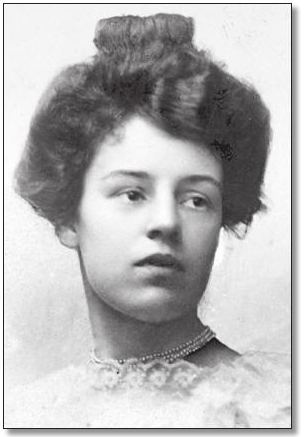
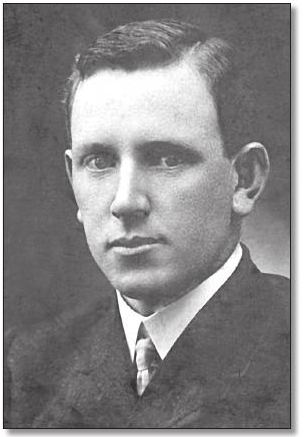
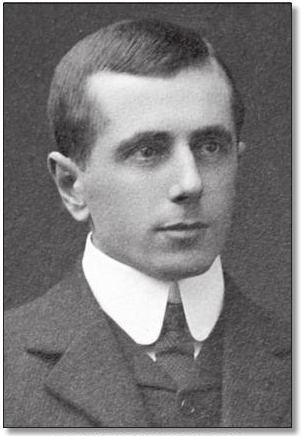
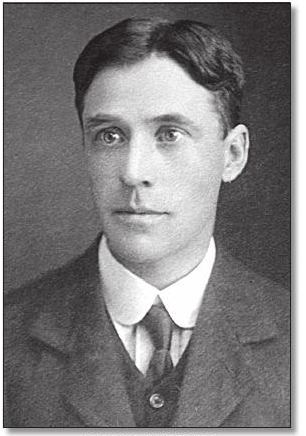
Fittingly, he was farewelled by the golf and Catholic clubs in April 1927. He sold his practice to Dr JR Ryan and hoped to see America. He went on to a new career in Sydney as a physician at Lewisham Hospital and in 1938 was honoured by the Royal Australasian College of Physicians with a Foundation Fellowship.
John G Dunlop
It is recorded that John Gordon Dunlop, MB, ChM (Glasgow), Fellow Royal Institute Public Health, London, advertised in 1908 in the local papers that he was House Surgeon in Lismore. He had been in Longreach in Queensland and West Wyalong in NSW, available for consultation in the local chemist’s shop, mainly for diseases of the skin.
In March 1908, the Hospital Committee Secretary took it upon himself to call Dr Dunlop to attend patients in the hospital and as a result of the rapid reaction from the elected Medical Officers, he was made Medical Superintendent for about two months before sanity prevailed and he resigned. He had warned the Hospital Committee that he was liable to be ‘called away at any time’ and it appears that is what happened at the end of May 1908.
John Service
John Service, LRCP&LRCS (Edin. 1878), L.Mid (Edin.), was brought by the Hospital Committee to Lismore from Wee Waa in 1908 as a salaried replacement (with Dr Dunlop) for the absent appointed Medical Officers. He had been previously at the Sydney Quarantine Station and various rural parts of NSW, but after staying with his wife at a local hotel from mid-April, he was told that the committee had had second thoughts about the hospital situation and by June he had no job. He had advertised his presence in town but had to leave soon after and was compensated by the Hospital Committee. He went to Sydney and started work at the Sydney Medical Institute and wrote novels as a sideline.
After his departure, normal harmonious relations between the Hospital Committee and the Medical Officers were resumed at the hospital.
Ronald L Henderson
In January 1909, Ronald Lennox Henderson, MB, ChM (Edin. 1903), leased the former house of Dr Innes Mackay in Lismore. He was born in 1878 and educated locally in Townsville, after which he qualified to enter medicine in New Zealand but after first year, he transferred to Edinburgh, graduated and then worked as House Physician and Surgeon at the Cumberland Infirmary in Carlisle. Dr Henderson returned to Australia in 1903 and worked in Adaminaby in NSW. He was appointed as Medical Officer to a MUIOOF Lodge and to the Lismore Hospital, doing both surgery and anaesthetics, but he left the public hospital after about two years.
His wife died suddenly of peritonitis in January 1913, leaving him with three-year-old twins and, after trying to continue in Lismore, he later went in 1913 to Crows Nest in Queensland, where he had the help of his stepsister. The sad story continued when he resolved to go to the war and married his sister-in-law in the vicarage the night before he embarked, then was wounded twice, was awarded the Military Cross for valour and died from his multiple wounds in Woolwich Military Hospital in 1917, aged thirty-nine, without seeing his new wife or children again. On 18 April 1912, the North Eastern Medical Association (NEMA) was started as an affiliate of the NSW BMA, with members from the Richmond, Clarence and Tweed River regions. The NEMA served as a central body to amalgamate what was threatening to become a fragmented and disorganised lot of individual practitioners. From that time, the doctors would be able to join the membership of the NEMA.
Arthur J Cahill
Arthur James Cahill, MB (Melbourne 1903), ChB (Melb. 1904), had practised as a GP in Coraki until March 1911, when he went to England and Scotland to start specialising in eye, ear, nose and throat surgery. In July 1912, he opened his rooms in Molesworth Street, becoming the first specialist in both eye and ENT surgery and was appointed to Lismore Hospital straight away.
He lost no time in resuming his intense involvement in music and opera as an acclaimed conductor, baritone and concert pianist with the Lismore Philharmonic Society, Operatic Society and Lismore Music Festival Society. He had a ready-made ally in Dr Humphery. Dr Cahill’s contacts and influence in the musical world were so extraordinary that he arranged for nationally and world famous artists to perform in Lismore. His enthusiasm was so great that the rise in popularity of the local music, drama and opera scene led him to worry that it might become overdone. His initial home, the elegant ‘Tooloona’ in Goonellabah was ideal for hosting his frequent visiting stars.
He did his share of lecturing in first aid in the community and volunteered to serve as Medical Officer at Ennogera and then overseas, mainly in Egypt, as captain, then major in WWI. Dr Cahill was a valuable attender of Lismore Hospital staff meetings with his vast experience in committee procedures. After fifteen years in Lismore, Dr Cahill was only forty-seven when he disposed of his practice to Dr KB Gaden, and went to the new developing city of Canberra in October 1927 to begin forty years in the nation’s capital.
Robert Kellas
In November 1912, Robert Kellas, MB, ChB (Aberdeen 1910), started as assistant to Dr RL Henderson in Keen Street. Born in Aberdeen in Scotland in 1881, he was reported to have started as a chemist’s apprentice for a time. After medical school, he was House Surgeon at St Mary’s Hospital for Women and Children in Manchester, House Physician at Walsall District Hospital in Staffordshire, Ophthalmic House Physician at Coventry Hospital and House Surgeon at Croydon General Hospital in London.
Later in 1913, Dr Kellas continued on his own in the practice and became very involved in medical, hospital and civic affairs. He was appointed commandant of a Red Cross Voluntary Aid Detachment, patron of the poultry society and was Honorary Hospital Medical Superintendent for some years. On one occasion, Dr Kellas and some of the men about town went for a rabbit shooting trip to Tamworth and bagged forty-eight rabbits to sell for the financially ailing hospital, disappointed at their tally because the car broke down on the hunt.
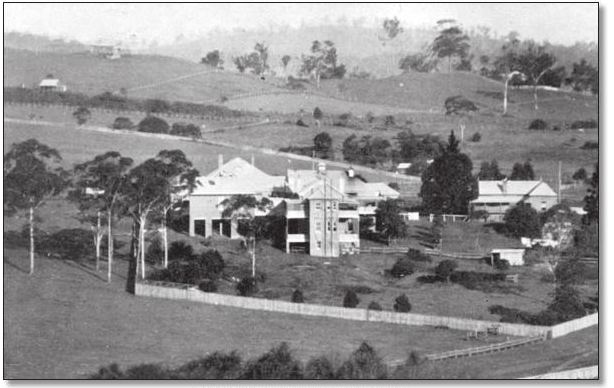
In 1919, he took leave from the hospital to go to the front as captain in the AAMC in WWI. He returned to Lismore in time to have his appendix removed by his colleagues, earning ten days’ rest in hospital. He also showed daring on many occasions by acting as a judge at baby shows, which seemed to be all the go in those days.
In 1922, Dr Kellas declined appointment to Lismore Hospital to start his local government career, with more than twenty years as an alderman and two one-year terms as mayor. As well, he became president of the New State League, formed in 1923, patron of the Ambulance Association and medical assessor of the Workers’ Compensation Commission, chairman of the Lismore Memorial Baths Committee, having led for years a hard fight for their construction, and earned the description from the Hospital Committee President as having an obsession with building a home for the aged and infirm, with the added comment that it was likely to come to fruition.
In 1927, he was joined in practice by Dr JM Banks. When he returned to the hospital, from 1934 he was classified as a surgeon under the new system to allow the qualification of Lismore Hospital as a Grade A Base Hospital.
Thereafter he took the mantle of Government Medical Officer and the coveted position of Deputy Sheriff of Lismore, for whom one task was ensuring the safety and comfort of the visiting judge, which put him at odds on occasions, with claimants feeling that he was a doctor on the side of the law. In 1935 he took a trip to the UK and did a course at the Hammersmith Hospital in London.
In 1947 he risked public unpopularity by supporting the Women’s Christian Temperance Union in opposing an application for a liquor licence by the Lismore Golf Club where, of course, members—including thirsty doctors—had managed to get a refreshing alcoholic drink after a game for quite some time. In later years, Dr Kellas became chairman of the Rous County Council and was behind the move to start an annual Robert Burns ‘nicht’ at the District Scottish Association.
He rekindled Dr Bernstein’s visions of extended sewerage, drainage and electrical power services and had close association with the bridges at either end of the town and development of the Rocky Creek Dam. He was instrumental in development of the Women’s Croquet Club after removal of the saleyards from downtown Lismore. He was almost eighty-five when he died on a trip to Brisbane and was buried in Lismore in 1966. He was the first Lismore doctor to have a street named after him.
Francis L Bignell
Francis Lawrence Bignell, DSO, MB, ChM (Melbourne 1911), born in Carlton in Melbourne in 1886, had worked as Resident Medical Officer and Senior Resident Medical Officer at the Brisbane General Hospital. In December 1912 he started practice in partnership with Dr Humphery in ‘Meringa’ in Molesworth Street, and in 1914 he moved into a new house in Magellan Street to practise alone. In 1915, he started lectures to the Field Ambulance Corps and the next year went to war as captain in the AAMC for over three years in which he was Mentioned in Despatches twice, then awarded the DSO for gallantry. He was gassed severely at the front and when ‘recovering’ in London, he took the opportunity to gain further experience at the renowned Queen Charlotte’s Women’s Hospital, the Middlesex and Great Ormonde Street Children’s Hospital, in London and the Rotunda Hospital in Dublin.
When he returned home, he was major in command of the 15th Field Ambulance in Lismore, later on the 41st Battalion, and became a lifelong great supporter of returned servicemen.
Rather than taking things quietly, Dr Bignell had six children, became president of the musical society, played and was on the committee of the golf club, was on the Anglican Parish Council, Medical Officer to two lodges, Honorary Medical Officer to the Richmond Rugby League Association, was elected to the committee of the NRMA. He was Honorary Hospital Medical Superintendent at the time he died at forty-two on 27 August 1928, two weeks after seeming to have recovered from an appendicectomy two weeks before, but never having recovered from his ‘war injury’. His practice was taken over by Dr Bluett. Dr Bignell has a memorial stained-glass window in the St Andrew’s Church he served so well.
Roy V Graham
Roy Vescys Graham, MB, (Sydney 1913), Resident Medical Officer at Sydney Hospital in 1914, took over Dr Humphery’s practice in April, 1914. He was a captain in the AAMC Reserve and while he practised full-time, he continued to study and attained the ChM (Sydney) in 1919 and his MD (Sydney) in 1921. Dr Graham played a big role during the pneumonic flu epidemic in 1919, visiting the Alstonville area, which was without a resident doctor, and arranging virtual isolation of the village from Lismore with a great result for the villagers.
He took on the position of Medical Officer to the Red Cross Society, president of Lismore Tennis Club, later on becoming a board member of The Northern Star newspaper and, in 1926, Deputy Sheriff of Lismore— which required him to sit on the court bench on occasions.
In 1925 he and Dr AJ Opie installed the first X-ray machine in the area, in the private hospital. He was on the visiting staff of Lismore Hospital, but at the end of 1927 he was joined in practice by Dr RE Longworth, who carried on solo when Dr Graham left at the end of January 1928 to continue his surgical career, becoming a Fellow of the RACS and being attracted by one of the founding fathers of Australian Orthopaedic Surgery into a long-term association at Lewisham Hospital in Sydney in that speciality.
Inglis Robertson
At the end of May 1914, Inglis Robertson, MB, ChB (Glasgow 1912), started in partnership with Dr Muller, in Molesworth Street. Son of a Scottish doctor in Sydney, he had been sent to Glasgow for his medical education and repaid the support of his family by topping his final year and getting four distinctions. Then he was House Surgeon, Senior House Surgeon at the Western Infirmary and Honorary Physician to the Skin Department at that hospital. Soon after arrival in town, he was appointed to Lismore ‘General’ Hospital and took over from Dr Bignell (on leave at the front) as Medical Officer to the Recruiting Department in town.
Dr Robertson was a talented flute and piccolo player and a great exponent of the bagpipes, so it was only natural that he should become an enthusiastic member and executive of the Lismore Orchestral Society, Musical Festival Society, Caledonian Society and its pipe band. Dr Muller had a huge practice, but his partner and successor still found time to be an active member and trustee of Lismore Tennis Club and help found the Lismore Protestant Foundation. Dr Robertson was a popular guest speaker, notably at the august Women’s Christian Temperance Union on some occasions, because he was especially interested in children’s health and welfare.
He was one of the growing number of professional people from Lismore who repaired to the seaside, e.g. Brunswick Heads, for a break from their hectic lives. He told a meeting once that it was very important to have an engrossing hobby as a distraction to use different portions of the brain to allow those used all day to rest.
He lasted ten busy years in Lismore, until April 1924, when he gave in to his wish to re-visit the UK and he handed over to Dr AJ Opie. Dr Robertson later practised in North Sydney with special interest in children’s health, also setting up a flautist society and starting a fulfilling role in Rotary International. His son later expressed the opinion that Lismore had a special place in his father’s memories.
Theodore W Van Epen
Theodore William Van Epen, MB (Sydney 1913), ChM (Sydney 1914), arrived in Lismore on 4 April 1914 to start a practice opposite the Lismore Hospital. He was born in Copmanhurst and his father was a schoolteacher who schooled his son and later became a faith healer in Lismore. Theodore became a schoolteacher at Booerie Creek and then went to do medicine at Sydney University, was a Resident at Sydney Hospital in 1913–14 and was soon appointed to Lismore Hospital.
Dr Van Epen was a keen lecturer in first aid to the teachers and in home nursing classes. He joined the Lismore Musical Festival Society and the golf and bowling clubs. As captain in the AAMC, he served at the front in Egypt and Palestine from early 1916 until mid-1918, when he returned to Lismore, where he resumed his practice and also used his talent as a pianist to perform publicly. He moved to Casino in January 1920.
Alexander Y Fullerton
In June 1916, Alexander Young Fullerton, LRCP (Eng.), MRCS (Eng.), arrived in town to work with Dr Kellas. He was born in Sydney, but after high school went to England to study medicine and was a House Surgeon at Liverpool Royal Infirmary before he went to the Boer War, where he was awarded a medal and two clasps for bravery. Back home in 1902, he was in practice in Murrurundi in northern NSW for eight years, then Windsor from where he went to Gallipoli as major in WWI and was repatriated with gunshot wounds to the foot.
In Lismore, Dr Fullerton was in a very busy practice, was a great worker for the RSL, was on the Hospital Committee and pushed very hard to get a benevolent home for the town. He was president of the RSL Association in 1918 and Hospital Superintendent in 1919, when he also took over the Government Medical Officer duties because Dr Franceschi was too busy, and worked tirelessly during the flu epidemic, doing 427 urgent calls to the hospital. He lasted until October 1919 when he resigned and disposed of his practice to Dr Bignell, going to practise in Pennant Hills in Sydney, where he was reported to be ‘now enjoying a little leisure after a very strenuous time in Lismore’ and starting a poultry farm.
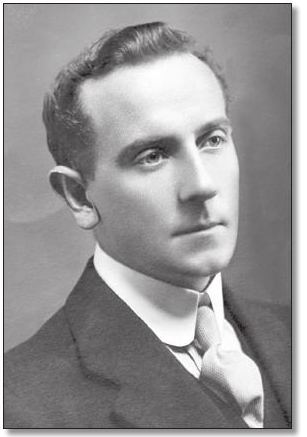
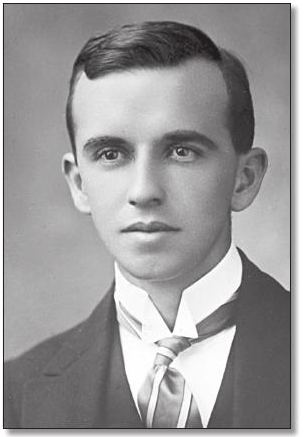
Arthur M Aspinall
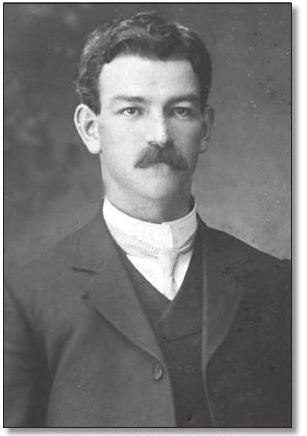
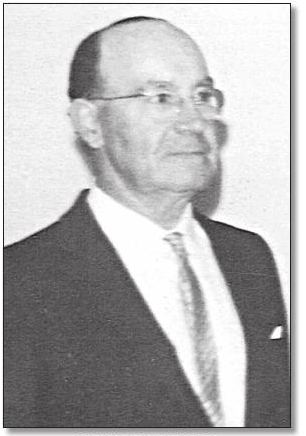
Arthur Martel Aspinall, MB (Sydney 1911), ChM (Sydney 1913), was practising in Lismore in Little Keen Street at the beginning of 1920. He was born in Forbes and his father, the first headmaster of The Scots College in Sydney, managed to put all his five children through medicine. Dr Arthur Aspinall trained at Sydney Hospital and was Resident Skiagraphist and Pathologist in 1911–12, then went to the UK, working as Resident Medical Officer at Queen’s Hospital for Children in London in 1913 and Glasgow Royal Maternity Hospital in 1914. He worked in ‘the thriving township’ of Nimbin for one year in 1915–16 and enlisted as captain in the AAMC serving at the Base Hospital at Randwick and then in Egypt and Palestine.
He was a popular guest speaker and lectured in first aid, was Medical Superintendent for some years and was the operator for the X-ray at the hospital. Dr Aspinall was a talented tennis player and on the club executive, on the Lismore Musical Festival Committee and active member of the North Eastern Medical Association. He was an active supporter of the orchestral society, the rowing club, Lismore Golf Club, the radio club and the RSL movement. He was still single when he was given an official farewell in September 1928, but this changed in 1930 when he was in general practice in Turramurra in Sydney. He was replaced by Dr JB Oakeshott.
John L Roberts
In the middle of 1922, John Leslie (Les) Roberts, MB, ChM (Sydney 1922), came to help Dr Franceschi during his illness and took over his practice in Conway Street. Born in 1898 in Roma, Queensland, he did some training at RPAH in Sydney and then was appointed Honorary Surgeon at Lismore District Hospital and later at St Vincent’s Hospital in Lismore. He became Senior Medical Officer to the Hibernian Society and soon settled in as a keen worker for the medical profession, being chairman of the Hospital Medical Board and president of the NEMA, also serving long-term as their delegate to the state branch of the BMA.
Dr Roberts was on the executive of the coursing club and Honorary Medical Officer and timekeeper at the inaugural Lismore Jockey Club meeting in December 1934. He lectured to the ambulance officers, was vice-president of the rowing club, the athletic club, Marist Brothers’ Baseball Club and Honorary Medical Officer to Ballina–Lismore Surf Club. He was a keen member of the golf club. He was active in the Irish Music Festival Society, a foundation member of Lismore Rotary and so he was able to play an important part in the foundation of the Lismore branch of the Richmond River Historical Society, by organising Rotary to subsidise the initial expenses of the society. In 1937 he did a ten-month tour of the UK, Europe and America and was able to report that the average standard of the Australian GP was higher than a panel doctor in England.
Dr Roberts was at the forefront of the development and growth of St Vincent’s Hospital and was the Government Medical Officer and Medical Examiner for the Department of Civil Aviation for many years, as well as taking a leading role in the education and registration of nurses. He was joined in practice in 1950 by Dr NJ Rogers and in 1955 by his son, Dr TL Roberts, who moved later to specialise in obstetrics and gynaecology. When Dr Rogers left to work alone in 1971, Dr RM Miller started with Dr JL Roberts, who retired in 1975 and died in St Vincent’s Hospital in June 1979.
Archelaus J Opie
Archelaus James Opie, MB, ChB (Melbourne 1906), took over the practice of Dr Inglis Robertson in April 1924, practising in Molesworth Street. Often referred to as ‘Father’ Opie, he was born in Bendigo in Victoria in 1883 and spent the first part of his life in Melbourne, and did such traditional things as going to Melbourne University, doing a residency at Royal Melbourne Hospital for three years, becoming a pianist of concert standard, having a very good singing voice and playing Australian Rules football for Carlton. He was always keen on physical fitness and played many sports to a high standard in spite of his vast number of medical and social undertakings.
Having practised in Kapunda in South Australia and Devonport in Tasmania, he ran a solo practice in Coraki before doing postgraduate work back in Melbourne for one year and then settling in Lismore for the rest of his life, which was so productive and long that any reasonably accurate temporal documentation is not attempted.
Dr Opie practised in Molesworth Street, initially on his own, was appointed Honorary Surgeon at Lismore Hospital, was Medical Superintendent for many years, also on the Hospital and Medical Boards and was responsible (with Dr JR Ryan) for the development of the Regional Blood Transfusion Service. In 1925, he and Dr RV Graham installed the region’s first X-ray machine, in the private hospital. As time passed, he became the ultimate surgical opinion on the difficult or important cases of other colleagues over far more than the Lismore area. In 1932, he was considered worthy of the honour of Foundation Member of the RACS—an amazing feat for a doctor out of the mainstream in rural NSW.
He was, over the years, president of the Lismore Music Festival Society and the operatic and dramatic society, as well as a member of Rotary and the lodge. Dr Opie was the frequent holder of well-attended musical soirees lasting sometimes all weekend, at his home or his beach house. He maintained such a high level of fitness that he swam regularly and played at a very competitive level tennis, golf and bowls. He carried out the office of president of the NEMA. When he became a leading figure in the Lismore Club at the other end of town, the golf club complained about his increasing absence. He was a force behind the rowing club and a founding director of The Northern Star newspaper and Radio Station 2LM.
His two sons graduated in medicine, Richard practised for two years in Lismore and Jim for many years. ‘Father’ Opie became a Consultant Surgeon in 1956. He retired from active practice in 1966 and was awarded the MBE in 1970 for services to the community. He died in Lismore in July 1981 at the age of ninety-eight, three years after having become what was surely the oldest Australian to have a cardiac pacemaker inserted, this having been done in Lismore by doctors from ‘The Coast’ training school.
Louie M Fraser
At the beginning of 1927, Louie Mansel Fraser, MB, ChM (Sydney 1926), a Lismore girl, started in practice in Lismore and at the hospital. In April 1928, she advised that she was leaving to become a Resident Medical Officer at St Joseph’s Hospital, Auburn in Sydney. Ultimately, she practised in Queensland. When she was appointed Honorary Medical Officer to the hospitals again in 1961 for a short time, perhaps she was just doing a locum near her mother.
James R Ryan
James Redmond Ryan, MB, ChM (Sydney 1922), Resident Medical Officer and Medical Superintendent at St Vincent’s Hospital in Sydney from 1922– 1926, succeeded Dr J Coen in March 1927 in his Zadoc Street practice and in his appointment with the Pride of Lismore Lodge. Born in Lithgow, he was widely known as ‘Reddo’ and he practised on his own from 1927 to 1965. Like his state politician father, he became very popular and served as a member of many committees, especially that formed to start St Vincent’s Hospital, Lismore, which was opened in 1932 and administered by the Catholic Church.
Dr Ryan and Dr AJ Opie were responsible for the setting up of the Regional Blood Transfusion Service, and Dr Ryan was at the forefront of regular diphtheria immunisation programs. He was also vice-president of Marist Brothers’ Football Club and the Marist Brothers’ Baseball Club, Honorary Medical Officer to the boxing association and gave long service to the NEMA as secretary then president, and was involved with the Catholic Church and its Education Board. He was on the committee of the Irish Musical Festival Society but, apart from his support for the formation of an apparently short-lived GPS Old Boys’ Association, he avoided any appearance of religious exclusivity, which was starting to appear in the town.
He took on the presidency of the Lismore and District Co-operative Building Society, formed in 1935 to assist townspeople to buy their own home. He was a keen supporter of the rowing club, vice-president of the Brunswick Heads Surf Life Saving Club, and was active in local government politics.
In 1939 he was elected to the very responsible position of member of NSW Medical Registration Board, which met every month in Sydney and he missed very few meetings in the next twenty-nine years. During the war he was behind the formation and administration of the JB Oakeshott Fund, which gave financial support to doctors serving away in the war and their families. Not surprisingly, he was awarded the Coronation Medal in 1953. Dr Ryan’s son Peter became a doctor in 1957. ‘Reddo’ stopped practising in 1965 and died in November 1976.
Frank ER Biggs
In March 1927, Frank Eric Raymond Biggs, MB, ChM (Sydney 1917), commenced practice in Skype Chambers in Woodlark Street. He was a Resident Medical Officer at Sydney Hospital in 1917–18 and Registrar in 1920, serving in WWI as captain in the AAMC Reserve. He had then been Honorary Associate Radiologist at the Mater Hospital in North Sydney and Honorary Radiologist at Prince Henry Hospital in Sydney before he commenced his solo private radiology practice in Lismore. As the first of his specialty in the town, he had his own equipment and provided services over a large area. He was an Honorary at Lismore Hospital, but as the board president stated, the X-ray plant there was valueless and needed to be improved or replaced, so he carried out a great deal of the hospital work at his own premises, which was quite an imposition on him.
Dr Biggs being the only radiologist around, the Richmond River Rugby League Association astutely appointed him their X-ray doctor. He was a very keen golfer, appearing to enjoy the usual popularity accorded a 20-marker.
He resigned from the hospital in October 1933 after selling his practice to Dr RJ Stabback, and was thanked officially for his generosity towards the hospital. Dr Biggs went to Bendigo in Victoria.
James M Banks
James Matthew Banks, MB, BS (Sydney 1924), was appointed to the Lismore Hospital as Honorary Medical Officer in October 1927 and practised with Dr Kellas. He was a Resident Medical Officer at Sydney Hospital in 1924 and practised in Woodburn from October 1924, playing golf at Lismore Golf Club in that time and after he moved to Lismore.
He worked hard and relaxed hard, got his pilot’s licence and his own plane in 1929, and then started flying medical missions in the region. His golfing ability was such that he was the local club champion soon after arrival in the area, and in 1929 he won the Queensland Amateur Golf Championship 6 and 5, building his game around long straight driving and accurate putting. He continued golf at that level during his time in Lismore and had the great disappointment of missing out on a four-ball game with his local partner— with whom he also won the Queensland Amateur Foursomes—against the great American golfer, Walter Hagen and the Australian star, Joe Kirkwood, because of Lismore’s torrential rain which had marred the lives of many of the non-golfing local doctors over the years. Naturally, he was captain of the Lismore Golf Club but he also played competition tennis to tournament standard.
He was vice-president of the St John Ambulance Society and was active in the aero club. He must have had a flair for surgery, laying the foundation for his future after Lismore, which he left without much warning in July 1931, going to Sydney and then London where he was ‘a well-known plastic surgeon’, flying himself (and on one occasion ten gold bars illegally) to visit patients on the Continent. He served as a lieut-commander in the Royal Navy in WWII.
Keith B Gaden
In November 1927, Keith Burton Gaden, MB (Sydney 1914), succeeded Dr Cahill in his specialist practice in eye and ear, nose and throat surgery in Molesworth Street. He had been previously in Rockhampton. He was a supporter and vice-president of the rowing club. From the beginning of 1934, there were two eye and ear, nose and throat specialists in Lismore, Dr Gaden and Dr RH Fletcher, then Dr Gaden and Dr T Boyd Law until Dr Gaden left in March 1936 after his appointment by the Queensland government to work in the north of the state investigating more prevalent diseases in the area.
Roland E Longworth
Roland Edward Longworth, MB, ChM (Sydney 1926), started practising with Dr RV Graham in December 1927, on the corner of Molesworth and Conway Streets. Born in Petersham in Sydney in 1890, known as ‘Rolly’, he had been Resident Medical Officer at Western Suburbs Hospital in Sydney in 1926–27. He had served in WWI from 1914 to 1917 at Gallipoli as a private in the Infantry, was wounded, recovered and then became RSM in the Imperial Camel Corps in Palestine. In 1918, he studied for the Matriculation Certificate and graduated at the age of thirty-six.
He was a very good tennis player and had played at the Australian Championships, so he joined the Lismore Tennis Club in its inaugural year in 1928. The official opening of the club was marred by heavy rain, so the players held a bridge tournament in the clubhouse instead.
Dr Longworth was appointed Honorary Medical Officer at Lismore Hospital and after two months he was on his own in the practice. He was a physician with special skill in giving anaesthetics and was Honorary Cardiologist.
As a music lover and good pianist, he became a popular accompanist at the regular gatherings of the ex-servicemen, of whom he was a great supporter. Over the years, he was involved with the Music Festival Society, the music lovers’ club, lodge, the rugby union club, Eastwood United Soccer Club, the Lismore Workers’ RLFC, the rowing club and the Rugby League Referees’ Association.
In 1931, Dr Longworth started the Lismore United Diggers and Citizens Choir, probably to have a bit of fun, but they were very much in demand and even went on tour. A keen golfer and bowler, in 1934 he was the inaugural president of the Lismore Jockey Club and became a racehorse-owner. He was a long-term president of the RSL Club and the Association, being elected life member for his services.
He volunteered in WWII as major in the 15th Cavalry Regiment, but was transferred to the Medical Corps. Dr Longworth became associated with Dr FL Nicholl in practice. Later on, he compiled A History of Medical Practice in The Richmond River District up to 1925, for members of the North Eastern Medical Association, complete with anecdotal comments, an extraordinary undertaking in his day. He died in Lismore in 1961, after a long illness.
In 1928, Lismore District Hospital Committee resolved to open the doors for all registered doctors practising in Lismore to apply to attend to patients at the hospital and even included Dr Broughton of Bangalow and Dr Bluett of Alstonville.
Charles C Corlis
Charles Christopher Corlis, MD (Ohio Wesleyan University 1898), MC, was appointed an Honorary Physician to Lismore Hospital in April 1928. Born in Ontario, Canada in 1877, he was a brother of Dr Phillip, son of Drs Josiah and Margaret Amelia Corlis of Ballina and Bangalow, in which sections they are reported. ‘Dr Charlie’ left Bangalow at the age of fifty-three and was associated with the hospital until about 1938, when he started to reduce his workload, which had been considerable over many years.
He was a very keen bowler, also involved in golf and rifle-shooting. He was a keen supporter of the Wanderers’ Cricket Club and Medical Officer to the Oddfellows’ Cricket Club. In 1934 his son, Wilson, joined him in Lismore. In 1944, Dr Charlie was in Bonalbo, where he managed the much slower pace for five years before, at the age of seventy-three, he died after having been in medical practice in the Richmond River district for over fifty years.
Cecil Bluett
In September 1928, Cecil Bluett, LMSSA (Eng. 1914), LRCP & MRCS (Eng. 1919), moved from Alstonville after nine years in solo practice. He was born in Tamworth in NSW but went to England to study medicine and then served in the RAAMC in WWI. In Lismore he took over from the late Dr Bignell, joining Dr R Kellas and Dr JM Banks in Magellan Street.
Dr Bluett was Honorary Surgeon at Lismore District Hospital and enjoyed bowls. He was a dedicated supporter of returned servicemen, serving as patron of the Alstonville RSSAAILA for twenty years. He revisited England in 1936 and saw his son, who had also chosen to study medicine in London. Dr Bluett had been ailing for some time when he died in Lismore in November 1943 at the age of fifty-four and official flags were flown at half mast in Lismore and Alstonville. The practice was taken over in August 1944 by Dr TG Hewitt.
John B Oakeshott
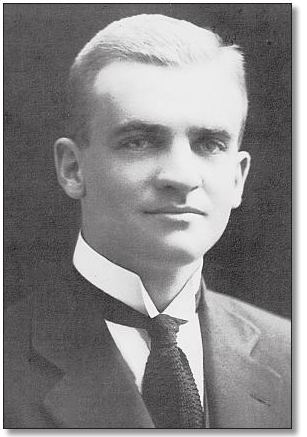
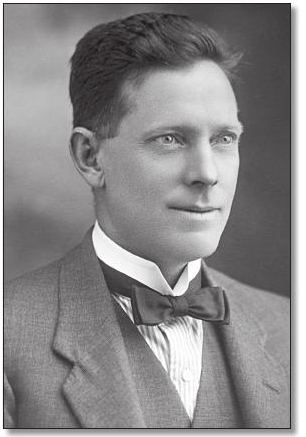
John Bernard Oakeshott, MB, ChM (Sydney 1925), born in Sydney in 1901, took over Dr Aspinall’s practice in Keen Street in September 1928 and became an Honorary Physician at Lismore Hospital, with special interest in cardiology. He was soon involved in the United Services Lodge, the orchestral society committee, the St John Ambulance as examiner and running home nursing and first aid classes.
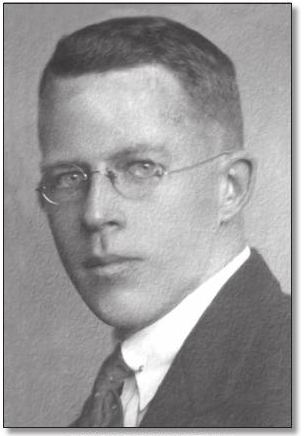
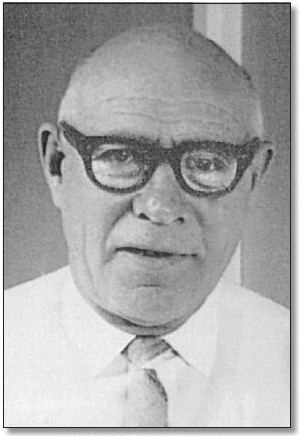
He was a very good competition tennis player, also enjoyed golf and entered the flower shows. Dr Oakeshott was a stalwart of the St Andrew’s Anglican Church, serving on the Parish Council and on the executive of the Hostel for Girls, which provided shelter and education. In 1932 he joined the growing number of town doctors who had had surgery for appendicitis.
On 8 September 1934, he was Deputy Medical Superintendent when there were a record number of eighty-seven patients in Lismore Hospital. He moved his rooms to Magellan Street, and in 1939 started lecturing to the newly-formed Women’s Voluntary Services group. He was elected vice-president of the Empire Day Committee and was always a very cool head at Hospital Committee meetings. Dr Oakeshott was behind the move to get an artificial respirator for Lismore District Hospital, which he recognised needed to purchase more equipment to get up to the standard of a base hospital.
In May 1941, he enlisted for service as captain in the AAMC in the AIF, was given a farewell by the Hospital Committee and granted leave for ‘the duration of the war’. The chairman thanked Dr Oakeshott for his quiet performance as a good doctor and philanthropist, complimenting him on his ability to work harmoniously with everyone. Dr Oakeshott was captured in the fall of Singapore to the Japanese, became a POW in Borneo and took part in the infamous Death March of Sandakan over two years. He refused an opportunity to escape, choosing to stay with his men and lost his life in a war atrocity two weeks after enemy surrender.
His service to the town and tragic end were commemorated with the naming of a street after him and the setting up of the JB Oakeshott Fund to aid the care of families of local doctors serving in the war. Dr Oakeshott’s practice was taken over by Dr SB Hatfield. His son, Robert, was born in Lismore and was to return in due course to practise medicine in his home town.
Glanville RDJ Rawle
In mid-1932, Glanville Robert Druery Jeffries Rawle, MB, ChM (Sydney 1926), started up a new practice in a house in Ballina Street and was appointed Honorary Surgeon at Lismore District Hospital. Born in Helensburgh (NSW) in 1903, he was Resident Medical Officer and Senior Resident Medical Officer at Balmain and District Hospital in 1926–27, then Honorary Medical Officer at Wallsend District Hospital and Mater in Newcastle in 1927–32 before he began in Lismore, his wife’s hometown. Dr Rawle (‘Glannie’), was sworn in as a JP in 1934, but there were twenty-one others appointed on the same day, so circumstances for JPs were somewhat different from the days of Dr Bernstein and Dr Pratt, who acted as magistrates in court.
He was soon involved in the bowling club, School of Arts (which ran the library) and the Red Cross Society as lecturer and examiner in first aid. He was a keen tennis player and on the executive of the local club and a member of the Lismore Operatic Society, although there is no recorded instance of him singing. He was a keen member of the executive of Lismore Apex Club, which was very active especially in support of the Flying Doctor Service, and Honorary Medical Officer to the Richmond River Rugby League Group.
In 1941, the second official public disharmony between doctors occurred when he brought a slander case to court against Dr (Ald.) Kellas, apparently related to a remark about Dr Rawle ‘squatting’ in the town, but a very wise presiding judge pointed out that both were educated men, respected in the community, and encouraged them to sort out their differences out of court and the public eye. When this occurred, harmony seems to have been restored as Dr Rawle was elected president of the NEMA in 1953.
In the meantime, the astute doctor took himself off quietly to the famous American Mayo Clinic to have a cardiac pacemaker inserted. He also became patron of the table tennis club and joined the rifle club. In 1955 his son, Dr JG Rawle, joined the Rawle Practice and in 1972, Dr FGE Hughes joined them for six years. In 1973, he became a Consultant Surgeon at Lismore Hospital. After overcoming cardiac problems for many years, Dr ‘Glannie’ Rawle died in 1982. In 1933, Lismore District Hospital Board started official classification of appointed doctors as physician, surgeon or specialist as a requirement to qualify as a Grade A Base Hospital. In practice, the delineation did not restrict any doctor’s clinical activities.
William JS McKay
William James Stewart McKay, BSc (1887), MB, ChM (Sydney 1891), started consulting in Molesworth Street early in 1933. He had started as a surgeon at Lewisham Hospital in Sydney in 1896, after training in Germany, Vienna, Paris and Birmingham. He became very well-known as a senior surgeon who had written several surgical textbooks, including one on appendicitis. Dr McKay’s memoirs indicate that in 1932, he was sixty-seven, had serious problems with gout and was getting little surgical work in Sydney at the time of the Depression. He had had a long-standing interest in thoroughbred racehorses and his wealthy bookmaker was sad to see him leave Sydney. He looked at Lismore and spoke with the local doctors who told him he would be welcome to town but only as a Consultant Surgeon and did not do home visits.
Dr McKay went to Lismore, set up an apartment and rooms in the T&G Building and married for the first time two years later. He was allowed to use the Base Hospital, which had an open policy for specialists, but soon after he started operating on private patients, the committee suddenly brought in a rule that surgeons had to stop operating at sixty-five. He tried using St Vincent’s Hospital and the small private hospitals but he could not survive without doing GP work, which was unfamiliar to him, although did develop an interest in allergies. He did not have a car, relying on the local bus service and hire cars for remote consultations.
As an authority on racehorse breeding and claiming to be an expert on all kinds of venoms and agricultural diseases, he was a prolific writer for the newspapers and was regularly asked for his tips on the big horse races. Dr McKay probably led a pretty isolated life, not least because he knew he had to avoid at all costs excesses of Scotch whisky, which set him apart from a lot of the other professional men in town. He was a keen member of the Richmond River Historical Society, but was not popular with the members of the Primary Producers’ Union when he stated publicly that twenty-five per cent of dairy cows in the region had tuberculosis. He died in Lismore in January 1948, at the age of eighty-one, but his funeral was held in Sydney.
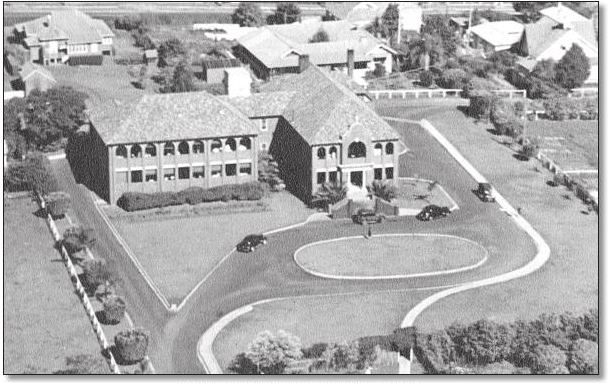
Reginald J Stabback
In October 1933, Reginald James Stabback, MB, BS (Sydney 1931), took the place of Dr Biggs as Honorary Radiologist, with rooms in Skype Chambers, in Woodlark Street. He had been a Resident Medical Officer at Sydney Hospital in 1931 and then Resident Radiologist at Balmain and District Hospital. Soon after he arrived, he found, as did Dr Biggs, that he was doing in his own rooms most of the X-rays which should have been done at the inadequately equipped Lismore Hospital and had to apply to the Hospitals Commission for a subsidy to recompense him for that work. He expanded radiology services to Murwillumbah, even though some of the Lismore Hospital Committee were worried that patients would be lost to the Tweed area. Dr Stabback was a captain in the AAMC and left Lismore in July 1940. His practice was taken over by Dr HG Benson.
Robert H Fletcher
Robert Horner Fletcher, MB, ChM (Sydney 1923), started his eye and ear, nose and throat practice in Lismore at the beginning of 1934. Born in Armidale in 1897, he started at Sydney University but went in 1916 to France as a corporal in the AIF, was promoted to lieutenant and was awarded the Military Cross for bravery and distinguished service, ending up as captain. He was severely gassed, returned to medical school and a residency at Royal North Shore Hospital of Sydney, went to rural Queensland, then London and Vienna to study his specialty.
When he was in Lismore he gained great respect as a faithful member of the Presbyterian Church, a keen bowler and member of the RSL and lodge. In that short time in Lismore, there were two eye and ear, nose and throat specialists, but a serious illness ended his life in March 1935, at the age of thirty-eight. Later in 1935, Dr T Boyd Law took over the practice of Dr Fletcher.
Wilson L Corlis
In late 1934, Wilson Leighton (Bill) Corlis, MB (Sydney 1931), BS (Sydney 1935), started in practice with his father, Charles, and was appointed Honorary Surgeon at Lismore Base Hospital. He had been Resident Medical Officer at St Vincent’s Hospital, Resident Medical Officer and Senior Resident Medical Officer at The Coast Hospital, and Relieving Resident Medical Officer at the Royal Hospital for Women, in Sydney. He played town A-grade cricket, tennis and, in true Corlis family tradition, bowls. In his second year in Lismore, Dr Wilson Corlis made the headlines when his car was in a serious collision and he was able to start treatment of the two injured occupants of the other vehicle on the spot.
He was a captain in the RAAMC and Area Medical Officer of the AMF. He was a member of the Festival Music Society, in the Lismore Angling Club, ran first aid classes as the area commandant, was instructor to the Women’s Auxiliary Transport Service and involved in air-raid training. Dr Corlis played a very active role at the hospital, taking the place of Dr Oakeshott, who was on war service, as Deputy Medical Superintendent when the hospital was making a great effort to expand both in size and status.
He left Lismore at the end of 1946, went to Petersham in Sydney and began a distinguished career as a GP with dedicated service to the Royal Australasian College of General Practitioners, especially in the field of medical education. His practice was taken over by Dr DB Sillar and Dr J Gribben. In 1935, the Board of Lismore District Hospital resolved to apply for official change of name to the Lismore Base Hospital in view of its greater facilities and the more important sounding name. It was noted that the institution had been referred to over recent years unofficially as ‘Base Hospital’. The next aim was to have it upgraded to level A status. In 1936, Lismore was a city with a population of 13,000.
Joseph M Skype
The next doctor in Lismore was caught in a very strange situation. With the Lismore Base Hospital having been opened to all registered doctors practising in Lismore and nearby towns, the Hospital Board told Joseph Michael Skype, MB, BS (Sydney 1935), that there was no vacancy at the hospital, on at least three occasions from 1939 when he tried to join the Visiting Medical Officer list. Born in Lismore, son of Mr Abdulla Skype, a well-known successful businessman who had emigrated from Lebanon in his childhood, Joseph won the prize for surgery in final year at Sydney University Medical School and was a Resident Medical Officer at Sydney’s St Vincent’s Hospital in 1935–36 and at Newcastle General Hospital in 1937. He went back home and worked as a locum in Ballina for Dr Yeates, and in Alstonville for Dr Lawrance, before trying to start a general practice in a house his father built for him in Conway Street at the beginning of 1939. He was finally appointed to Lismore Base Hospital in August 1941 on instructions from the Health Commission—as a ‘Temporary Assistant Honorary Physician’—a position not previously recorded at the hospital.
Dr Skype then became lecturer in first aid classes and was president of the Marist Brothers’ Old Boys’ Union, as would be expected of a boy born in Union Street. He was elected in 1939 to the thirty-three members on the committee of the Lismore Music Festival Society, who were apparently less selective than the Hospital Board. He served as Medical Officer in the AIF in New Guinea, was wounded and discharged medically unfit in December 1942, thereafter being prone to cardiac disease.
He achieved his aim to be appointed Honorary Surgeon at Lismore Base Hospital, also acting for a time as Honorary Cardiologist but decided to go to Sydney in June 1947, his practice being taken over by Dr NE Brand who was appointed to Lismore Base Hospital at the next board meeting. Dr Skype practised initially in Randwick but soon moved into a position of high esteem as a surgeon and gynaecologist in Macquarie Street for seven years before he collapsed suddenly and died while on a visit to his home town in October 1954.
Thomas Boyd Law
In the second half of 1935, Thomas Boyd Law, MB, ChM (Sydney 1924), (DOMS (Eng. 1935), FRACS (Ophth. 1936), took over Dr Fletcher’s practice as eye and ear, nose and throat specialist. He was born in Boness in Scotland in 1901 and his parents brought him to Australia when he was ten. He had been a Resident Medical Officer at Balmain and District Hospital in 1924 before practising in Maleny in Queensland from 1925 to September 1933. He had developed an aptitude for debating and surgery and he went to London, where he trained at the Moorfields Eye Hospital, and Vienna to train in his specialty. Dr Boyd Law arrived back in Australia as assistant surgeon (i.e. the one who looked after the second- and lower-class passengers) on board a motor liner, which recorded the fastest time ever from London to Australia via Suez and the Torres Strait, averaging 18.4 knots.
He described his Lismore practice as covering the area from south of Taree to the Gold Coast. He seemed to have no trouble getting periods of assistance from promising junior colleagues, thus giving them a start to their specialist career and giving himself a break, often at the coast. He was ordered in 1944 to take six weeks off because of overstrain.
After a couple of years in Lismore, he paid a record sum for a building in central Molesworth Street and made it his rooms—Allen Chambers. He was a flight-lieutenant in WWII, but was not allowed overseas. He became very involved in the operatic and drama society, Rotary and the Lismore Art Trust, which was responsible for the formation of the Lismore Gallery. He would have been very excited when he painted the winning entry in the (Dr) Pook Memorial Prize for landscapes.
Dr Boyd Law did a term as Medical Superintendent at the hospital and used his debating skills to good effect. He was a very popular lecturer on a wide field of topics. He could communicate in Chinese, Russian, Italian and German. He had a very innovative attitude and in pre-penicillin days he had a very successful ‘go’ at treating a case of deadly frontal brain abscess with direct intracranial infusion of the still experimental sulfanilamide solution. In 1945, with the arrival of Dr Mure Robertson as otologist (purely an ENT surgeon), he was able to concentrate solely on surgery of the eye.
On the social side, with a remnant of the Diggers’ Chorus, he joined the 2LM Male Voice Choir, formed for serious competitive singing. He was active in the golf club and the Richmond River Amateur Sailing Club, as well as having a term as president of the NEMA and his Rotary club. When his wife died, Dr Boyd Law decided in about 1960 to take the opportunity to serve the many people in New Guinea and outback Australia suffering from eye disorders. He had taken a practice partner in 1952, Dr N Kerkenezov, who was another ex-RAAF doctor, but in the early sixties, they dissolved the practice and Dr Kerkenezov remained in the old rooms while Dr Boyd Law moved to new rooms further along Molesworth Street.
He was assisted significantly during the mid-sixties in the running of his practice by Melody Joy Grice, MB, BS (Queensland 1957), DO (Eng. 1960), FRACO, who was in the early stages of her ophthalmology career. Dr Boyd Law was awarded the MBE in 1968, retired in 1969 and died aged seventy-seven in May 1978, after some years of ill-health.
Murree Allen
Murree Allen, MB, BS Hons (Sydney 1933), Resident Medical Officer at Sydney Hospital, set up his practice in Conway Street in mid-1936. He was the son of a doctor in Goulburn and topped the Leaving Certificate in NSW. He applied for a position as Junior Honorary Ophthalmologist at Lismore Base Hospital in 1936 and this was deferred initially before he acted in the post of Honorary Physician and Cardiologist.
Dr Allen was elected a parish councillor of the Anglican Church soon after his arrival, was a member of the rifle club and played district first-grade cricket. He was said to have had wide field of interests and learned Italian while doing medicine. He was a foundation member and secretary of the Lismore Apex Club.
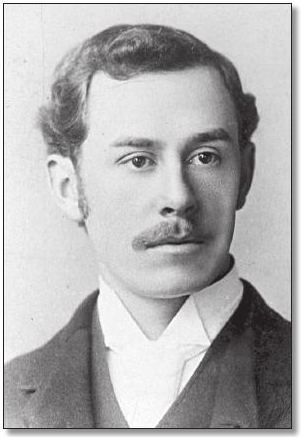
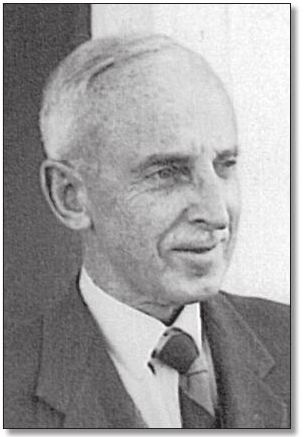
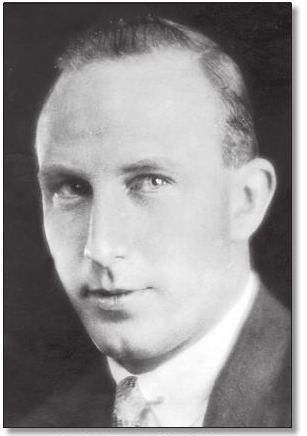
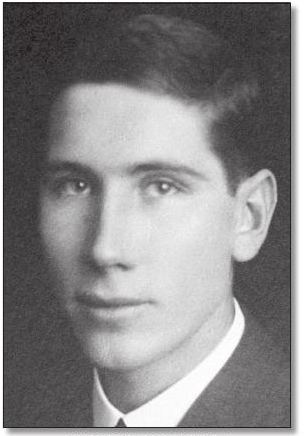
In February 1942, he became attached to the Field Ambulance in the AIF and in 1943 started service with the 113th AGH for four years, leaving the Honorary Radiologist, Dr Benson, as the Acting Cardiologist. Unfortunately for Lismore, he spent the war as Medical Officer at RGH Concord in the medical and dermatological wards, qualified for his FRACP and became a Specialist Physician. Dr Allen was farewelled soon after he returned from war service in January 1946 to go to Newcastle, where sadly he lasted only another ten years. His Lismore practice was taken over by Dr V Meek.
Frederick L Nicholl
In mid-1937, Frederick Livingstone Nicholl, MB, ChM (Sydney 1925), was in Lismore, with rooms in Molesworth Street and an appointment to Lismore Base Hospital (LBH) as an Honorary Surgeon. He had practised in Paterson and been Honorary Medical Officer at Maitland District Hospital for over nine years and was well known for his ability to play golf and the piano. He soon settled in to become involved with the Lismore Jockey Club and the golf club. Dr Nicholl, known as ‘Snow’, started arranging Christmas concerts for the old diggers in the area with Dr Longworth and also organised concerts by the ‘Boys of the Old Brigade’ to cheer up the local people in wartime.
He did terms as Honorary Medical Superintendent at Lismore Base Hospital, held lectures in first aid and ran immunisation campaigns. He was on the committee of the Lismore Game Fishing Club. As a Bright Street resident, he was a strong supporter of the East Lismore Progress Association. He and Dr Longworth got on very well together and joined their practices in about 1949. Dr Nicholl retired from the hospital in 1969 and died in 1971, Dr CG Miller having taken over from him. His son, Neil, practised in Casino from 1961 and later Ballina.
Henry G Benson
Henry Gordon Benson, MB, BS (Sydney 1936), started radiology practice in July 1940 in the T&G building in Molesworth Street, replacing Dr Stabback, for whom he had done a locum earlier in the year. He had visited the area with bowls teams when he was practising in Brisbane. When all the physicians were at the war for some years, Dr Benson acted as the Honorary Cardiologist at Lismore Base Hospital. In his stay, the radiologist in Lismore covered Murwillumbah and Casino. He was a member of the Presbyterian Men’s League and was a popular speaker to church groups. Dr Benson sold his practice to Doctors Pook and Byrne from Sydney, in March 1946.
Thomas G Hewitt
In August 1944, Thomas George Hewitt, MB, ChM (Sydney 1924), took over the practice of Dr Bluett in Keen Street. He had been a Resident Medical Officer at The Coast Hospital in Little Bay and The Royal Women’s Hospital in Crown Street. His parents were pioneers in Lismore and Dr Hewitt started a general practice in Marvell Street, Byron Bay in August 1925.
He enjoyed membership of the surf club and played cricket as well as being Honorary Doctor to the football club. In April 1927 he started as GP in Cairns, where he remained for fourteen years. Dr Hewitt was an Honorary Surgeon at Lismore Base Hospital and did a wide variety of operations when he was initially in solo general practice. He was a very keen woodworker and a desk made by him was in the Keen Street Clinic, suggesting that he joined Dr Lawrance there in later years. He died in 1963.
Mure R Robertson
Mure Royston Robertson, MB, BS (Sydney 1928), started in Lismore in March 1945 as the first local ear, nose and throat specialist, or otologist, as he called himself. He had been a Resident Medical Officer at Royal Prince Alfred Hospital in 1928–29, then the Women’s Hospital in Sydney in 1929 and the Brisbane Mater Children’s Hospital in 1931. Then he went to Childers in rural Queensland until 1938, when he proceeded to get his ‘BTE’ (Been to England) by training at the Liverpool Eye and Ear Hospital in 1938 and London Central Throat, Nose and Ear Hospital in 1939.
After serving in WWII from 1942–1946 as major in the AAMC with the 2/7 and 2/6 AGH in the Middle East, Dr Robertson relieved a grateful Dr Boyd Law of the ear, nose and throat component of his old specialty. Known to his colleagues as ‘Scotch’ Robertson, he was a great supporter of Legacy. He practised in Lismore until 1973, having had great difficulty in attracting a successor in the busy specialty.
Victor R Meek
In March 1946, Victor Robertson Meek, MB, BS (Sydney 1938), took over the practice of Dr Murree Allen in Conway Street. In 1939, Dr Meek had been the Resident Medical Officer at Lismore Base Hospital, which had been trying to get a Resident Medical Officer for some years in order to improve its standing as a base hospital.
He settled in easily in the town but then served as a flight-lieutenant, rising to squadron leader in the RAAF from 1940 to 1946, starting duties at Evans Head and then in Milne Bay and Port Moresby. Then he went back to Lismore and was appointed as Honorary Physician at Lismore Base Hospital.
He is remembered as a very dapper gentleman who had done a world tour after university and was a popular speaker about his travels. He lectured in first aid, was vice-president of the newly-formed amateur theatrical society in 1947, played golf regularly and in 1950 was on the committee and medical adviser to organise a youth club and sports centre in Lismore. Dr Meek left in about 1956, going on to practise in Kogarah in Sydney.
John Byrne
Two specialist radiologists, Dr W Pook and Dr J Byrne, acting as partners, took over Dr Benson’s practice in the T&G Building (but did not act as cardiologists) in March 1946. John Byrne, MB, BS (Sydney 1921), MCRANZ, had been Resident Medical Officer and Medical Superintendent in 1921–22 at St George and District Hospital in Sydney. Then he took over a general practice in Gundagai in NSW, until the end of 1937, when he did postgraduate study in New York.
He served in WWII from 1942 to 1946 and became qualified as a radiologist. The practice covered Lismore, Casino and the Tweed, but Dr Byrne found time to be a keen bowler and on the executive of the Lismore Philharmonic Society, the Musical Festival Society and the Marist Brothers’ Baseball Club. He left the practice in September 1953, going to Grafton and disposing his share of the partnership to Dr J Bell.
William Pook
William Pook, MB, BS (Melbourne 1922), MCRANZ, had been Resident Medical Officer at the Royal Melbourne Hospital in 1922. He had practised before the war in Kerang in Victoria. He was CO of the 2 AAMC Target Battalion and then major at 2/6 AGH (Concord), where he was a radiologist and presumably met Dr Byrne before they resumed civilian life in Lismore.
He became president of the Goonellabah Progress Association and Director of Arts for the Lismore City Council. Dr Pook pushed very hard for the development of an art gallery, which was actually opened in 1954. He was also president of the Richmond River Historical Society and played bowls. He continued the radiological service with Dr J Bell from 1953 until his death in 1960, his place being taken by Dr BV Mutton.
Samuel B Hatfield
In 1946, Samuel Bolan Hatfield, MB, BS (Sydney 1939), took over the practice of the late Dr JB Oakeshott, in Magellan Street and became an Honorary Physician at the hospitals. He had been Resident Medical Officer at Newcastle General Hospital in 1940–42, Senior Resident Medical Officer there in 1945 and Resident Medical Officer at the Royal Women’s Hospital in Sydney in 1946.
In WWII in 1942, as captain in the AIF, he had been wounded when performing valiantly in New Guinea and was invalided back home, resumed his duties at RGHC in Concord as major until 1944. He started in Magellan Street and went later to the Star Court Arcade.
Dr Hatfield was an active member of Apex, a foundation member of the Lismore RSL in 1947 and the hard-working president of the Lismore, later Richmond, Rugby League Association. On the last day of the year 1950, he was another doctor to survive his car rolling over when he sustained significant limb injuries in High Street and had a taste of his own medicine in Lismore Base Hospital. In November 1951, he left Lismore to take up a scholarship at Royal Prince Alfred Hospital in Sydney to specialise in radiology. His successor was Dr D Gillies.
Richard C Opie
Richard Cunynghame Opie, MB (Sydney 1941), who had been Resident Medical Officer at Royal Prince Alfred Hospital in Sydney in 1941–42 and Resident Medical Officer at the Royal Hospital for Women in 1946, was appointed Honorary Surgeon in Lismore on 21 September 1946, the same day as his brother James was appointed as a physician. He had served as flight-lieutenant in the RAAF Reserve in 1942–46.
After practising at 185 Molesworth Street (the future Lismore Clinic), with his father and brother, he went at the end of 1948 to start a career as a general surgeon in Sydney.
James G Opie
James Gordon Opie, MB (Sydney 1942), DA (Eng.), MFARACS, MRCP (Edin. 1957), FRCP (Edin. 1982), MRACP (1958), FRACP (1972), was a Resident Medical Officer at Balmain District Hospital in 1942–43. Born in Coraki, he joined the RAAF in 1943 and then began in Lismore in 1946 as a GP with special interest in medicine and anaesthetics. In 1956, he went to the UK for further study and returned to his old practice, by now the Lismore Clinic.
He was a follower of his father’s example of physical fitness, starting the day at dawn with many laps of the local pool with his inimitable, slow but strong stroke—often also seen among the dolphins at Byron Bay, before embarking on the day’s work. He drove all around the region and spent most weekends consulting in the smaller towns, providing a great service to the patients in their local small hospital to avoid their having to travel to Lismore or other big centres.
He was a very good pianist and keen golfer. He kept up with new developments in medicine and became a keen exponent of gastric and colonic endoscopy in addition to his anaesthetics for remote GPs. He served terms as Honorary Medical Superintendent and on the Medical Board Executive. Dr James Opie survived the transition in 1975 from Honorary Medical Officer at the hospitals to Sessional Visiting Medical Officer and in 1985 was transferred from active hospital duties, becoming a ‘Consultant Emeritus’.
Donald B Sillar
In August 1946, Donald Boyd Sillar, MB, BS (Hons, Sydney 1929), a Dubbo boy, started as a GP with surgical and obstetric expertise, in place of Dr WL Corlis in Zadoc Street. He had been a Resident Medical Officer at Sydney Hospital in 1929–30 and then went to work as Resident Surgical Officer at the Coventry and Warwickshire Hospital in England in 1932–33. After a short time in Rose Bay on his return to Australia, he was at Kurri Kurri in NSW until he enlisted in the RAAMC from 1941–46, rising to the rank of major.
During the war, he met Dr John Gribben and they teamed up in Lismore in the AMP building in Molesworth Street, then in 1951 joining the Lismore Clinic, which was enlarging considerably. Dr Sillar was Honorary Surgeon at the hospitals and became a strong supporter of the Scouts, even having a group in the garage of his lovely house, ‘Tulloona’, where many a garden fete was held to help the movement and many other charities.
He was very vocal about the poor accommodation for the Resident Medical Officers needing much improvement and he fought for the opening of a TB clinic at the hospital. After the death of his wife, Dr Sillar was in sole charge of five sons doing high school and university education in Sydney, so in 1962 he had to leave his very busy practice to Dr CA Burns and start in general practice in Forest lodge. One son, Stuart, returned to Lismore later as a Specialist Urologist.
John Gribben
John Gribben, MB, ChM (Sydney 1924), was appointed Honorary Physician in Lismore in September 1946 and joined Dr DB Sillar, initially in the old Zadoc Street rooms of Dr WL Corlis. He had served in WWII as lieutenant in the Field Ambulance 2/5 AGH. He had been in Canowindra in NSW from 1926.
Dr Gribben was a regular bowler and was president of the Nursery Kindergarten Committee. He went on long leave in 1952 to do postgraduate study in England and introduced his locum, Dr J Sheils, to the Lismore medical scene, in the Lismore Clinic. Dr Gribben died in Lismore in 1965.
William TH Scales
At the beginning of 1947, William Thomas Hudson Scales, MB, BS (Sydney 1940), D.O (1947), was appointed Honorary Assistant Ophthalmic Surgeon, because of the workload on Dr Boyd Law, with whom he practised. After graduation, he spent WWII as a squadron leader in the RAAF from 1941– 45. He trained at Sydney Hospital and Sydney Eye Hospital and was Clinical Assistant at the Eye Hospital until 1947. Dr Scales was in town for about three years and became president of the Lismore branch of the Air Force Association, which had a fair share of eye surgeons as members over the years. It seems that the squadron leader landed happily in Grafton, and set up practice there
Nugent E Brand
Nugent Elliot (Bill) Brand, MB, BS (Sydney 1941), FRCS (Eng. 1955), FRACS (1961), started a general practice on his own, taking over the rooms of Dr Skype in Conway Street in June 1947. Born in the town, he was Junior Resident Medical Officer at RPAH in Sydney in 1941–42, then served as captain in the AAMC in WWII in 1942–45 in New Guinea, where he was Mentioned in Despatches for gallantry. He was then Senior Resident Medical Officer at RPAH in 1945–46.
Dr Brand was a very accomplished speaker, always well-attired and enjoyed engaging in committee work, so he was a very popular choice of his colleagues to represent them on the Medical Staff Board, as Medical Superintendent of both hospitals and in the NEMA. After a couple of years on his own, he joined the Lismore Clinic as a GP but went to England in 1955 as Resident Surgical Officer at Doncaster Royal Infirmary in 1955–56 to qualify as a Specialist Surgeon. On his return home, he rejoined his old group practice, but then went into solo specialist surgical practice.
He was a very good natural golfer and had a long association with Lismore Golf Club as a top player, committeeman and president. Dr Brand had a wide range of expertise, but seemed to favour urological and bowel conditions. His astute surgical mind led to his inspirational idea for devising a low cost, easy to use and effective diagnostic test for bowel cancer, which resulted in Rotary sponsoring the start of ‘Bowelscan’ which became used Australia-wide. He was also a strong advocate for the formation of a breast screening program. He was active on the board of the local newspaper and radio station and was a regular attender at Rotary. After his golfing days, Dr Brand liked to relax by the seaside and enjoyed the quiet solitude of bream fishing. He was named as Lismore Citizen of the Year in 1986.
Kenneth G Lawrance
In 1947, Kenneth George Lawrance, MB (Sydney 1929), FRACGP, started his general practice in Lismore. He had been in Sydney before taking over a solo practice in Alstonville in 1936. Dr Lawrance had been appointed Honorary Surgeon at the Lismore hospitals since 1938 to avail himself of the operating facilities so he was involved in the medical administration in Lismore while having his place of practice and home in Alstonville.
He took service leave from January 1943 to March 1946 as captain in the AIF, returning to Alstonville until he could arrange to start up in Lismore. He was the founder of the Keen Street Clinic in 1953. His initial two pursuits were the running of an efficient blood bank and the building of a rehabilitation centre for disabled people, so he became director of the Lismore Blood Transfusion Service and in 1966, the first director of the state of the art Rehabilitation Unit at St Vincent’s Hospital, named after him to honour his part in its development.
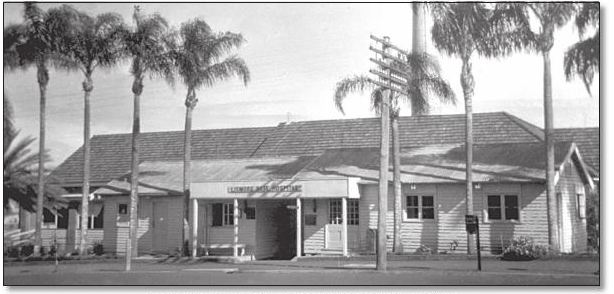
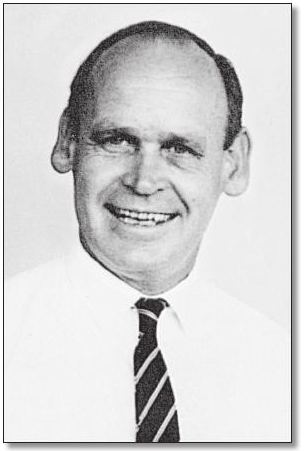
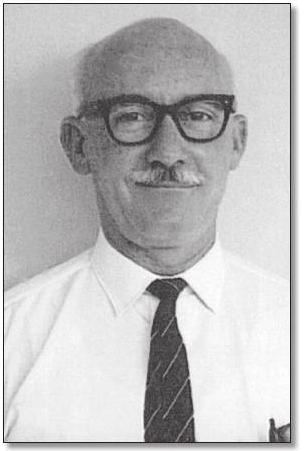
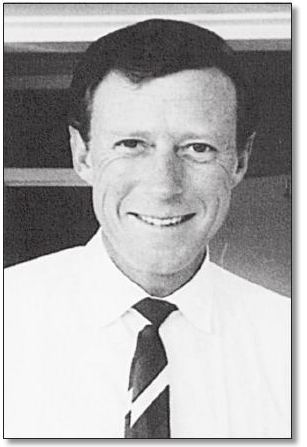
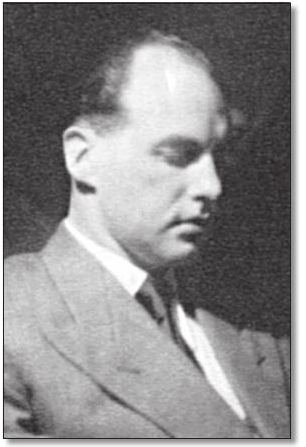
Dr Lawrance was involved in the running of many other worthy causes, notably the Anglican Church Young Men’s Society, Legacy and the Summerland Sheltered Workshop. He still had time to serve his profession as Hospital Medical Superintendent and president of the NEMA, while his sporting interest was bowls and he was patron of the Far North Coast Baseball Association. Little wonder that in 1977, he was awarded Lismore Lions’ Citizen of the Year but, sadly, he died half-way through his year of public recognition, aged almost seventy-three.
Norman J Rogers
In 1950, Norman James Rogers, MB, BS (Sydney 1947), FRACGP (1969), joined Dr JL Roberts in his practice in Conway Street. Dr Rogers had been a Resident Medical Officer at Lewisham Hospital in 1948–49. He started at the hospitals as Honorary Medical Officer, working as a GP with expertise in surgery and obstetrics.
When he arrived in Lismore, he was chosen to play first-grade cricket and continued for ten years, later becoming a very keen golfer and sailor at the Ballina Yacht Club. He was a stalwart of the NEMA and long-term office bearer, active member of both hospital medical executives and took over the position of Government Medical Officer for Lismore from Dr JL Roberts whose son, Dr Thomas Roberts, joined the practice in 1956.
Because of his committee expertise and wide knowledge of the doctors in the area stemming from his long service with the NEMA, Dr Rogers was frequently called upon by various authorities and even individual doctors to step in and help resolve bitter disputes, so he was involved in things like the effects of the introduction of Medicare and accreditation rights of doctors at the various hospitals.
He added to his skills by going to Sydney in the mid-1950s to acquire the art of taking Pap smears and in 1963 had training to become the first exponent of continuous long-term epidural anaesthesia for obstetrics in Lismore. Dr Rogers left the Conway Street practice in 1971 and started a general practice in the AMP Building in Molesworth Street, being joined by Dr G Cawley in 1974. In 1984 he retired from the Lismore Base Hospital as Consultant Emeritus and stopped practising full-time.
Douglas N Gillies
In December 1951, Douglas Neil Gillies, MB (Sydney 1940), BS (1946), Dip Trop Med (1946), started to practise in the Star Court Arcade in place of Dr Hatfield. After his Resident Medical Officer year at St Vincent’s Hospital in Sydney in 1940, he served in WWII as captain in the AAMC from 1941– 46, M I D for bravery in 1942 in Dutch Timor, where he was captured by the Japanese and held in Java until the war ended, He resumed his study after the war, joined the Colonial Medical Service in Borneo and then was in general practice in Double Bay before accepting an Honorary Medical Officer position in Lismore, where he was in general practice until 1970.
Unfortunately, he became restricted physically by the effects of his four years as a POW in Java but was a great worker for, and onetime president of, the NEMA. He left to take up desk duties in Brisbane.
Nicholas Kerkenezov
Nicholas Kerkenezov, from a Bulgarian family, MB, BS (Sydney 1943), DOMS (Dublin 1951) DO (Eng. 1952), was appointed in September 1952 as Honorary Junior Ophthalmic Surgeon at Lismore Base Hospital, where the eye surgery had always been performed. The time of his progression to full status is obscure, but he had served in the RAAF in WWII, went to the UK to specialise in eyes and left his Woodburn general practice to join up with Dr Boyd Law in Molesworth Street, until the early 1960s, when Dr Boyd Law moved to new rooms further along the street.
Dr Kerkenezov was a dedicated orchid grower and wily catcher of blackfish at Ballina. He was also an avid fossicker for ancient instruments and prostheses, his source of these being kept as secret as his fishing holes. Although very busy with his eye work, Dr Kerkenezov was drawn into local government and as an alderman, proved he could be a worthy opponent in debates. He was joined in 1969 by Dr MP Tester. After thirty years in practice in Lismore, he left his well-used hothouse in Dalley Street and started a practice in office ophthalmology in Ballina in about 1982.
James Bell
In September 1953, James Bell, MB, BS (Sydney 1930), MRCRA (1954), was appointed as Honorary Radiologist to Lismore Base Hospital to take over as Dr W Pook’s partner. He had been Resident Medical Officer at Balmain District Hospital in Sydney in 1930–32 and went to Queensland as Medical Superintendent to the Queensland towns Alpha, Aramac and Bowen before practising for twelve years in Toowoomba. He was joined by Dr BV Mutton after Dr Pook’s death in 1960 and left to go to Melbourne in 1974.
Arthur B Chappell
Arthur Brian Chappell, MB, BS (Sydney 1953), started to practise as a GP at the beginning of 1954. He had served in WWII in 1943–45 before doing medicine. He had been a Resident at the Base Hospital in 1953 and then was appointed as an Honorary Surgeon. He carried out GP obstetrics and surgery until 1963, when he went to practise as a GP in Croydon and Canterbury in Sydney. In 1978, he returned to Lismore as a GP and seems to be the only Lismore doctor to have engaged in pig farming in his spare time.
John G Rawle
In 1955, John Glanville Rawle, MB, BS (Sydney 1954), joined his father’s clinic. He grew up in Lismore and on occasions played competition tennis with his father. After his residency at Lismore Base Hospital in 1954, he was appointed Honorary Surgeon there in 1955 and the two Rawles practised together until they were joined in 1973 by Dr FG Hughes for five years. John relaxed when off-duty at the beach, where there was a growing colony of his confreres. He went from Lismore to the Gold Coast and the Rawle practice closed down.
Bruce A Frith
Bruce Austin Frith, MB, BS (Hons Sydney 1946), MRCP (Edin. 1955), MRCP (Eng. 1955), MRACP (1968), FRACP (1973), FRCP (1983), opened his rooms in Keen Street in 1955. Born in Lismore in 1924, he did his residency at Sydney Hospital in 1946, was Resident Medical Officer at Bundaberg General Hospital in 1947 and in 1948 he was anatomy lecturer at Queensland University. He forsook the academic life and was a GP in Mullumbimby until 1954. Then he went to the UK for postgraduate study and having acquired a wide knowledge of neuroanatomy, Dr Frith opted to return to his home town and became one of the first Consultant Physicians in rural NSW. He went later to London and Boston to further his knowledge of cardiology.
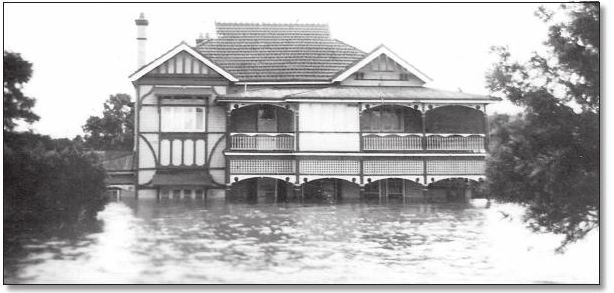
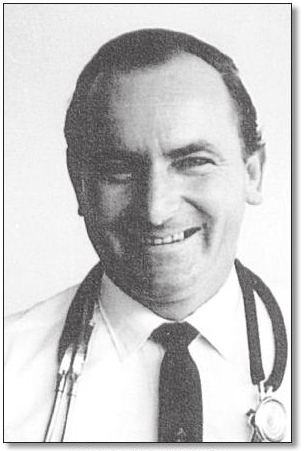
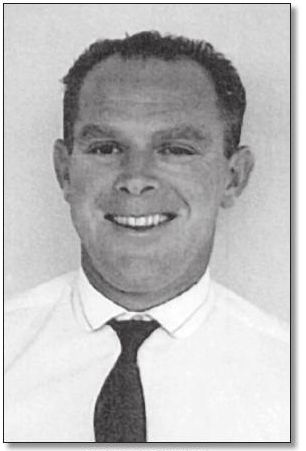
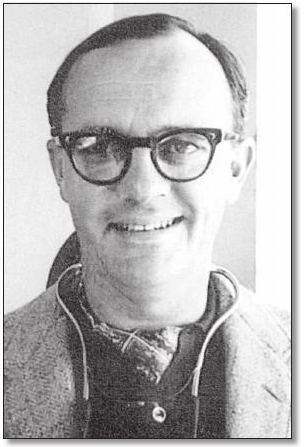
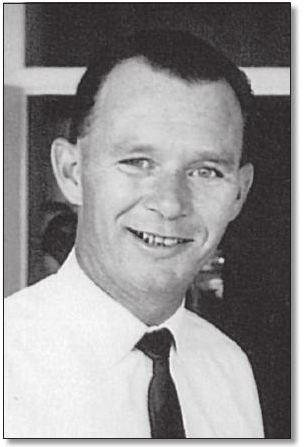
He was joined in practice in 1974 by Dr BJ Kelly, who lightened somewhat Dr Frith’s long-standing heavy workload. Over the years, he had enjoyed tennis, golf and fishing. He was also a keen member of the NEMA/ AMA and Rotary. His health deteriorated and forced his retirement from the Lismore medical scene in 1986 and he followed his doctor daughter to Sydney, where he worked at a much more leisurely pace.
Thomas L Roberts
In 1955, Thomas Leslie Roberts, MB, BS (Sydney 1953), DObst RCOG (1957), joined his father, Dr Leslie Roberts and Dr NJ Rogers in the Conway Street practice. Born in Lismore, he had been Resident Medical Officer at the Cootamundra District Hospital in NSW in 1953 and did a senior residency at St Margaret’s Women’s Hospital in Sydney in 1954. He was a family doctor but became very popular with obstetric patients and this became a big part of his practice. In 1956, he went to England for further obstetrics and gynaecology experience and qualification, before returning to Lismore in 1957.
He was a staunch supporter of the Catholic Church, St Vincent’s Hospital and the AMA. With the advent of Dr ML Lewin in 1966, Dr Thomas Roberts joined him to form the first specialist obstetric and gynaecological clinic in Lismore, in the T&G Building, later to be joined by Dr BT O’Sullivan in 1972. He was a popular marriage counsellor for the area. Dr Roberts was a keen Rotarian, stalwart of the NEMA, president of the Arts Council and champion of the cause to attract good Resident Medical Officer staff to the Lismore Base Hospital. He was taken ill at the end of 1974 while still practising and died in 1975.
John D Sheils
John David Sheils, MB, BS (Sydney 1947), FRCS (Eng. 1960), joined the Lismore Clinic in 1955. He had been a Resident at Prince Henry Hospital in Sydney (formerly The Coast Hospital) in 1948–49 and 1951–52, and Surgical Registrar at Broken Hill & District Hospital in 1949–51. He had done almost one year locum for Dr Gribben in 1953.
After working as a GP surgeon, Dr Sheils took leave in 1960 and was Surgical Registrar at the Southend Hospital in Essex from 1960–62. Then he returned to the practice as a Specialist General Surgeon, attached to the hospitals. He was a very keen sailor and after working very hard in Lismore, he sailed off in 1976 in his yacht for the Solomon Islands for two years and then headed to the Kimberleys. His place was taken by Dr DM Grosser.
Peter A Johnson
In 1956, Peter Arundel Johnson, MB, BS (Sydney 1954), Junior Resident Medical Officer at Royal North Shore Hospital in Sydney in 1954, started at the Lismore Clinic as a GP, at the age of thirty-one. He had been in the RAN Reserve in 1944–46. Dr Johnson was also a very experienced anaesthetist. On weekends off he relaxed with the family on his farm and, later on, down by the beach at Lennox Head.
Broughton V Mutton
In 1960, Broughton Vernon Mutton, MB, BS (Sydney 1943), MCRA (1958), started in the radiological practice with Dr James Bell, succeeding Dr Pook. Dr Mutton was a flight-lieutenant in the RAAF in 1943–46. He had practised in Sydney after training for radiology and the partnership lasted until about 1974, when Dr Mutton was left on his own.
He had assistants from time to time, with Brian Jens Whitlocke, MB, BS (Sydney 1965), DMRD (Eng. 1969), MRACR (1977) and Arthur Henry Kannemayer, MB ChB (Witwatersrand 1956), DMRD (Eng. 1966) doing longer stints. In about 1981, Dr Mutton started a smaller practice in Ballina, the Lismore practice being taken over by Dr Ramon Lun.
Philip W van Gelderen
Philip William (‘Bill’) van Gelderen, MB, BS (Sydney 1944), FRCS (Eng. 1959), FRACS (1962), was appointed Honorary Surgeon at the Lismore hospitals in 1961. He had been a Resident Medical Officer at Royal Prince Alfred Hospital in 1944–45 and from 1945 to 1949 he was a surgeon lieutenant-commander in the RAN Reserve. Then he was a Registrar at RPAH from 1949–50 and went into general practice in Bathurst from 1950–57. In pursuit of a surgical career, he went to England and worked as a Registrar at St Luke’s Hospital in 1958-59 and returned home as a Specialist General Surgeon in Goulburn, NSW, in 1960–61, following which he became the first Specialist Surgeon at the Keen Street Clinic, remaining with them until he went to Bathurst in 1967.
Clement AC Burns
In 1961, Clement Aylesbury Colin Burns, known as ‘Charlie’, MB, BS (Adelaide 1954), took the place of Dr Sillar in the Lismore Clinic and Lismore Base Hospital. Born to missionary parents in India, he was educated in Fiji and New Zealand. He had been a Resident at Royal Adelaide Hospital in 1954, Resident Medical Officer at Mildura Base Hospital in 1955 and then Honorary Surgeon at that hospital in 1956–60. He had been a sub-lieutenant in the RAN Reserve in WWII from 1942 and was Mentioned in Despatches while on HMAS Australia, spending some time in the Philippines.
Dr Burns was very involved in the important project of developing and setting up of a disaster plan utilising the emergency services and the Lismore hospitals, devoting a lot of time also to Legacy and the Citizens’ Military Forces. He was also involved in the tricky task of sorting out the clinical privileges of GPs in the hospitals. He died very prematurely in August 1975, his place being taken by Dr DM Grosser.
Ronald AA Macqueen
Ronald Alan Archibald Macqueen, MB (Sydney 1911), set up his rooms in Spring Street, Lismore in 1963. He was the son of Archibald John Macqueen, who practised in Lismore until 1898. He was previously a GP in Ballina from 1939, but he wanted to specialise in dermatology, which he did for ten years. He was always keen on all sports and horse racing. Dr Macqueen left Lismore in 1972 and went to Sydney where he died in 1973, aged eighty-four.
Raymond W Gordon
In 1963, Raymond Warwick Gordon, MB, BS (Sydney 1960), MRCP (Edin. 1966), DA (Eng. 1966), came back to his home town as a GP at the Keen Street Clinic. Known from school days as ‘Steinie’ (for Einstein), he had been a Resident at Royal Newcastle Hospital in 1960–62. He soon felt the call of further study and went to the UK in 1965, working as Anaesthetic Registrar and Clinical Medical Officer at Edinburgh Royal Infirmary in 1965–66 and obtaining the MRCP and his Anaesthetic Diploma.
He returned to his clinic in 1967 and was a GP and accredited Honorary Physician at the hospital, also able to give anaesthetics, so he became very busy, not only in the town, but at neighbouring hospitals which lacked qualified anaesthetists. In 1977–78, Dr Gordon did psychiatric residencies in centres in Newcastle and Gladesville, before becoming Clinical Superintendent and Staff Physician at Lismore Base Hospital from 1979 to 1985.
He was a very successful recruiter of Resident Medical Officers and other doctors to the region, resulting in one of the more frequent answers to why new doctors went to Lismore being that they met Ray Gordon somewhere or other and he told them of the attractions of his home town. From 1985, he went back to general practice on his own, with occasional assistance from part-timers. He did not have a lot of spare time, but he did like the beach and social golf, later becoming an enthusiastic bowler.
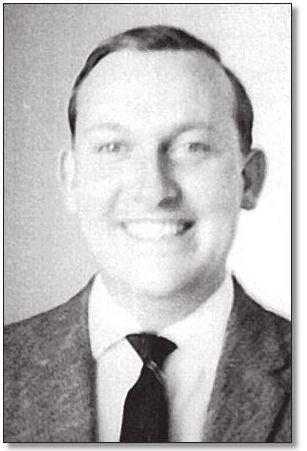
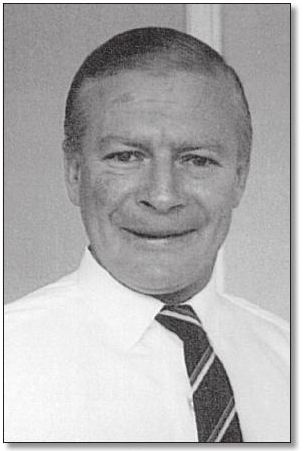
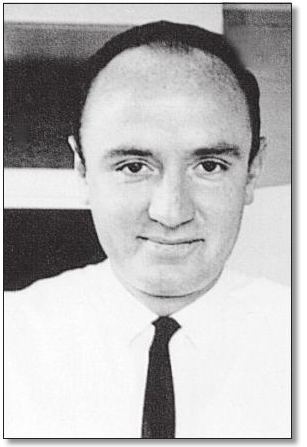
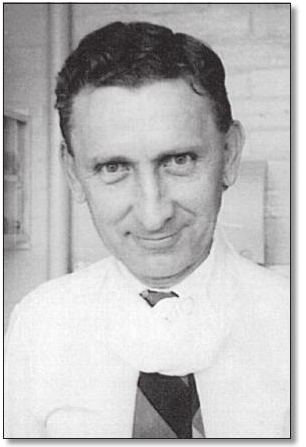
John Oliver
John (‘Jock’) Oliver, MB, ChB (Edin. 1948), DPH (Edin. 1959), joined the Lismore Clinic in 1963, continuing the line of Caledonian medicos in the town. He had served as a sergeant in the Highland Light Infantry in 1943–47 before graduating. Dr Oliver had been a Medical Officer with the Bechuanaland Government Service from 1951–63, unique preparation for becoming a family doctor in Lismore.
Peter W Stewart
In 1963, Peter William Stewart, BSc (Sydney 1951), MB, BS (Sydney 1957), FRCS (Edin. 1961), started his own clinic in Conway Street. He had been a Resident at Sydney Hospital in 1957–60 before going to England to work as Surgical Registrar at South Teeside Hospital in Yorkshire in 1961, Resident Surgical Officer at Jersey General Hospital in 1962 and Clinical Assistant at St Thomas’ in London in 1963.
Dr Stewart was a devoted, hard-working family doctor, with faithful patients coming over to his Lismore surgery from places like Casino. He loved spending time farming and was a great believer in large families. He was a GP, busy general surgeon and did a lot of obstetrics, being renowned for the spot-on timing of his response to urgent calls. He also developed expertise in microsurgery to reverse sterilisation in both sexes. Dr Stewart often had an assistant GP in his earlier days and Dr R Percy worked with him for some years.
Harley S Roberts
Harley Stuart Roberts, MB, BS (Sydney 1959), DObst RCOG (1962), MRCOG (1964), joined Dr Stewart in practice in 1965 after arriving back from England. He was a Resident at Sydney Hospital in 1959–60, Senior House Officer in Obstetrics at Queen Mary’s Hospital in London in 1962, Senior House Officer in Gynaecology at St Mary’s Hospital in Manchester in 1963 and Registrar in Obstetrics and Gynaecology at Groundslow Hospital in Staffs in 1964. He was appointed Honorary Obstetrician and Gynaecologist at Lismore Base Hospital. After two years he went to the rapidly growing Penrith area and became a pioneer of obstetric ultrasound investigation.
Morris W Lewin
In October 1965, Morris Walter Lewin, MB, BS (QLD 1959), DObst RCOG, MMSA (Eng.), FRCOG, FRACOG, started to practise with Dr TL Roberts in the T&G building, forming the first Specialist Obstetric and Gynaecology clinic. He had gone to the UK after his resident year and trained at the Edinburgh Royal Infirmary in 1960–62, Hammersmith Hospital in London in 1962–64 and at the Middlesex Hospital in 1965. Dr Lewin developed an interest in horticulture, growing guavas and macadamia nuts but had problems with the extremes of the local climate. He was joined in practice later by Dr BT O’Sullivan and they worked for a time in a converted old cinema building in Molesworth Street.
Robert J Oakeshott
Robert John Oakeshott, MB, BS (Sydney 1956), FRCS (Edin. 1965), FRACS (1967), went into the Keen Street Clinic as their Specialist Surgeon in 1967. He was born in Lismore, son of Dr JB Oakeshott and was a Resident at Lewisham Hospital in Sydney in 1956–57, Resident Medical Officer at Royal Women’s Hospital and Royal Alexandra Hospital for Children in 1958, Surgical Registrar at RAHC in 1959–60 and RGHC at Concord in 1960, then at Broken Hill Hospital in 1961–62.
He went to England and was Surgical Registrar at the Royal West Sussex Hospital in 1963–65, returning to RAHC for a year. He was very active in the running of the NEMA. In 1972, he went to Perth to pursue a career in rehabilitation medicine, later continuing in that field in Sydney.
Anthony J Thompson
In 1967, Anthony John Thompson, MRCS (Eng. 1959), LRCP (Eng. 1959), MB, BS (Lond. 1960), joined the Lismore Clinic as a family doctor. He had been practising in Wynnum in Brisbane. After about ten years, he moved to Hawthorn in Melbourne.
Barbara M Tonking
Barbara Mary Tonking (née Tredinnick), MB, BS (Sydney 1958), started in 1969 as a GP assistant with Dr P Stewart. She had been a Resident at Bankstown Hospital in Sydney in 1958 and then worked as a GP in Panania. There were no full-time specialist anaesthetists in Lismore, so she went to England and worked in Reading General Hospital to gain experience and her Diploma of Anaesthetics (1971) and the MFARCS, returning to be the first Consultant in Anaesthetics in the whole area. She brought up her son on her own and worked full-time, including on-call, still finding time to breed pedigree dogs and help run regular dog obedience classes.
Charles G Miller
Charles Grant Miller, MB, BS (Sydney 1967), arrived in Lismore in March 1969 to work in the Lismore Clinic as a GP, taking over from Dr FL Nicholl. Born in Runcorn in Cheshire, he did the first two years of medicine at Liverpool University in England, arrived in Sydney in 1963 and completed the degree there. He was a Resident at Sydney Hospital and Ryde DSM Hospital in 1967–68. Dr Miller did family medicine with GP surgical procedures and also gave anaesthetics in the earlier part of his career.
He became a real bushman, making intrepid inland trips in search of butterflies, so he became a noted lepidopterist, discovering several new species and publishing in the journals. He was also a keen appreciator of classical music.
Malcolm P Tester
In 1969, Malcolm Percy Tester, MB, BS (Sydney 1959), DO (Sydney 1964), FRANZCO (1969), came to Lismore to join Dr N Kerkenezov, much to the relief of Dr T Boyd Law who promptly retired. Dr Tester had been a Resident at Sydney Hospital in 1960 and Royal Hobart Hospital in 1961, then Assistant Registrar at Sydney Eye Hospital in 1962–64 and Research Fellow in Ophthalmology at the University of Sydney in 1964–67. He had then followed the well-established pattern of newly-qualified specialists in those days of being on at multiple hospitals, driving all over Sydney doing a lot of unpaid work, in his case being a Honorary Assistant Ophthalmic Surgeon at Sydney Eye Hospital, near the Domain, Hon. Assistant Ophthalmic Surgeon at Sutherland Hospital and Visiting Ophthalmic Specialist at RGH Concord. He retained his academic interest by publishing journal articles on retinal detachment and the diabetic eye.
Dr Tester was a Rotarian and did an eye mission to India and started regular missions to Fiji, where he had discovered on a holiday the appalling incidence of eye pathology in the non-urban communities. From 1982, he practised on his own in Conway Street. He was an expert fisherman, enjoyed golf and moved out of Lismore suburbia to live on his Poll Hereford cattle farm.
Michael P Barbato
In 1970, Michael Patrick Barbato, MB, BS (Sydney 1966), MRACP (1969), joined the Keen Street Clinic as Specialist Physician and Honorary Medical Officer at the hospitals. He was a Resident at St Vincent’s Hospital in Sydney in 1966–67, at RGH Concord in 1968–69 and Medical Registrar at St Vincent’s Hospital in 1969. He went to practise in Armidale in 1973.
Francis GE Hughes
Francis Gerald Eamon Hughes, MB, ChB (NU IRE 1947), BAO (NU IRE 1947), joined the Rawle Practice in 1972. He had been a Medical Officer at Nottingham General Hospital in England in 1947–49, a GP at Ollerton in 1949–68 and Medical Officer to the St John Ambulance, Nottinghamshire 1950–68 before being the Medical Administrator at Nyah County Hospital in 1968–72.
Dr Hughes did family medicine and gave anaesthetics in Lismore for seven years and was persuaded by his friends at Lennox Head to be the first doctor in that village.
Robert J Buck
In 1972, Robert John Buck, BA (UNE, Armidale, 1959), DipEd (UNE 1960), MB, BS (Sydney 1966), DObst RCOG (Eng. 1969), DipAnaesth (Eng. 1970), joined the Keen Street Clinic to do GP as well as anaesthetics and obstetrics at the Lismore hospitals. He had been a Resident at St George Hospital in Sydney in 1966 and 1967, before going to England and working as an Obstetrics and Gynaecology Senior House Officer at Wolverhampton Women’s Hospital in 1968 and Anaesthetic Senior House Officer at St Mary’s Hospital in Portsmouth in 1969. He returned to England to be Obstetrics and Gynaecology Registrar at St John’s Hospital in Chelmsford, Essex, from 1974–77 and on his return to Australia, he was Senior Registrar in O&G at the King Edward Memorial Hospital in Perth in 1978.
He went back to Lismore in 1979 but joined Dr MW Lewin and Dr BT O’Sullivan in the Specialist Obstetric and Gynaecology Practice in Molesworth Street. Later, he went out on his own in the old bishop’s house in Uralba Street.
Brendan RT O'Sullivan
Brendan Reginald Thomas O’Sullivan, MB, BS (QLD 1964), MRCOG (1970), FRACOG (1979), worked as a locum at the beginning of 1972 as Specialist Obstetrician and Gynaecologist with Drs TL Roberts and MW Lewin and soon joined them in the T&G Building in Molesworth Street. He had been Resident Medical Officer at the Mater Hospital in Brisbane in 1964–65, Obstetrics and Gynaecology Registrar at Mater Mothers’ and Mater Public Hospital in 1966–68, then in London at St Stephen’s Hospital and UCH in 1969, followed by St Mary’s Hospital in Portsmouth in 1969– 70 and St Mary’s on the Isle of Wight in 1970–71.
Dr O’Sullivan enjoyed tennis and beach swimming and became an avid reader and supporter of the Byron Literary Festival. He had a brief partnership growing guavas but found the elements were not favourable to that pastime. For the next four years from 1973, there was a great influx of doctors into Lismore, mainly of specialists.
David G Thomas
In 1973, David Gwynne Thomas, MB, BS (Sydney 1965), FRACS (1972), joined the Keen Street Clinic as their surgeon, replacing Dr RJ Oakeshott, after being told by a ‘drug rep’ in Ipswich there was an opening in Lismore. Born when his father was a GP in Ulmarra, he was a Resident at Royal Newcastle Hospital in NSW in 1965–66, then tried GP in that city in 1967– 68, before working as a Surgical Registrar at the Royal Masonic Hospital in London in 1968–70, as Surgical Registrar at St Mary Abbot’s Hospital 1970 and Epsom District Hospital in Surrey in 1971.
Back home, he worked at Ipswich General Hospital in Queensland in 1972. A methodical left-hander, Dr Thomas sourced out a large variety of left-handed instruments, which did not stop his being a patient teacher of any students, residents or local doctors who wanted to come to his regular pigs’ trotters suture classes held at the hospital. A trained microsurgeon, he became very experienced in nerve anastomoses and related conditions, also obtaining enviable results from divided hand flexor tendon repairs, for which he eschewed post-op fixed splinting and went for very early mobilisation.
He was a proud Medical Officer to the Surf Life Saving Movement, which led to his great involvement in the establishing and medical manning of the Helicopter Rescue Service. He did several terms as chairman of the Medical Staff Council and was a very capable and firm leader. He did annual voluntary skin clinics at Byron Bay beach every December-January holidays.
Dr Thomas had a comprehensive home workshop in which he made anything wooden or metallic, including toys and powered model aeroplanes. Being an experienced advanced and rally-cross driver, he lost little time ‘Fanging’ his car to emergency calls to the hospitals. He was a very successful representative pistol and rifle shot from his cadet days at school.
Robert M Miller
Robert Macdonald Miller, MD (Uni. Columbia, New York 1946) took over the practice of Dr Les Roberts, but moved further up Conway Street in 1973. Born in Cleveland, Ohio, he had to repay the state for his medical education by working as Medical Officer in the Air Force and developed a love for flying and being part of the crew, which led to his involvement in the Berlin airlift. He left the US in the 1970s, but despite becoming a naturalised Australian in 1976, was forever known to his medical colleagues as ‘Tex’, which was a misdiagnosis, and to the general population, with whom he was very popular, he was ‘Pally’, or formally Dr Bob.
With his trade-mark unlit cheroot dangling between his lips, he was never offended when a patient asked for a specialist opinion and was very good at getting them an early appointment, usually by phoning the specialist personally. He was an extraordinarily talented musician, favouring the Jew’s harp, guitar and banjo, and formed the basis of his group ‘Pally’s Players’ who were in great demand in the area. He wrote a lot of his own songs and was at his best singing ‘Mississippi Mud’.
He and his sons restored Jeeps in the driveway of his home and he had a sugarcane farm. Tex was a keen collector of antique firearms and considered himself a fully-fledged armourer. Always a popular figure at the golf club, he did not play the game himself. With his background it was natural that he was a popular supporter of a local baseball team.
Alice D Miller
Alice Dale Miller, MD (USA 1951), practised with her husband, moving with him to near Lismore Base Hospital in Uralba Street later on. They were purely family physicians, but always kept up with any patient in hospital. Alice became very unwell and Bob devotedly supported his ailing wife for some years. One of their boys, Robbie, became a doctor.
Roger W Percy
In 1973, Roger William Percy, MB, BS (Queensland 1952), FRACGP (1968), joined with Dr PW Stewart in Conway Street. He had been a Resident at Brisbane General Hospital in 1953, at Cairns Base in 1954–55 and Medical Superintendent of Gordonvale Hospital in Queensland in 1955– 57, practising in Edmonton before Lismore. He had served in the Army in 1943–47. Dr Percy did family medicine and gave anaesthetics.
John M Chadwick
John Marsden Chadwick, MB, ChB (Manchester 1957), DObst RCOG (1960), came in 1973 to the Lismore Clinic as a GP and obstetrician. A native Mancunian, he had been House Surgeon at the Hope Hospital in Salford in 1958 and Resident Medical Officer in Obstetrics at Stepping Hill Hospital in Stockport, Lancs. He was then in general practice and on the medical staff of his beloved Man United football club before migrating and finding himself as Obstetric Resident in 1972 at Townsville General Hospital, where he learned to his horror one night that his duties included emergency internal fixation of a fractured femur.
In Lismore, apart from his practice, Dr Chadwick was a keen Medical Officer for the local Army battalion. Having taken up the married life at a mature age, he was very domesticated and a great host, displaying at all times the typical engaging humour of the English Northerners.
Frederick W Buddee Jnr
In 1973, Frederick William Buddee, MB, BS (Sydney 1964), FRACS (1969), entered into practice with Dr NE Brand in Molesworth Street. He was born in Glen Innes, son of Dr FW Buddee who had practised for four years in Bonalbo around 1930. Dr Buddee Jnr was a Resident at Sydney Hospital in 1964–65 and Surgical Registrar at Royal North Shore Hospital in 1966–70. After about six months as surgeon at the Sepik District Hospital in Wewak, PNG, he worked as Surgical Registrar at the famous Groote Schuur Hospital in Cape Town, South Africa, in 1971–72. He practised in all fields of general surgery, including vascular surgery in the earlier years.
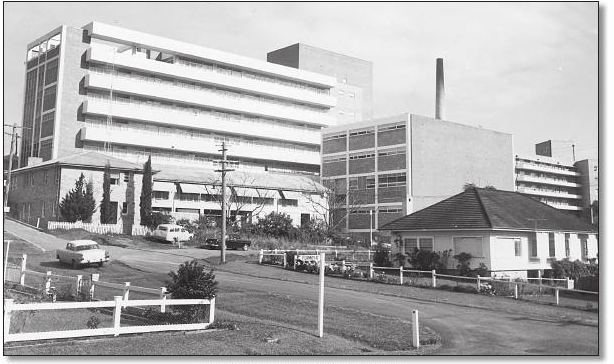
Dr Buddee was very involved in the running of the acclaimed Summerland House with No Steps at Alstonville. As some of the doctors from the past in the region did, he relaxed in the garden as a prize-winning grower of roses displayed annually at the A&I Show. He also enjoyed a regular round of golf and following the form of the thoroughbreds. Dr Buddee devoted a lot of time to the Medical Staff Council and appointment of Visiting Specialists to the staff of both hospitals. He played a big part in the eventual establishment of accredited Surgical Registrar training posts at Lismore Base Hospital.
William Nardi
William Nardi, MB, BS (Sydney 1968), FRACO 1972, DO (Sydney 1973), started his Specialist Ophthalmic Practice in 1973. He was born in Nimbin and was a Resident Medical Officer at St Vincent’s Hospital in Sydney in 1968–69, Ophthalmic Registrar at St Vincent’s Hospital in 1970 and at Sydney Eye Hospital in 1971–72. He wanted to practise in his home area but was offered the advice that Tweed Heads would be more suitable. He actually tried that for a short time but he proved his prospects were much better in Lismore by setting up in the large building housing the former rooms of Dr JL Roberts. Dr Nardi was then able to play jovial landlord over the years to many new doctors in town who started off their practices in the various parts of the ground floor of the large building.
He found relaxation from the confines of eye surgery by farming, but initially this involved him and his neighbours draining the unfriendly Tuckean Swamp to improve the land. He was an Apexian, strong supporter of the Scouts and Guides and prominent in the school P&C Association. He also enjoyed social tennis and the odd game of cricket.
Bryan P Shea
In 1973, Bryan Patrick Shea, MB, BS (QLD 1968), DObst RCOG (1973), FRACGP (1975), joined the Keen Street Clinic. He was a Resident Medical Officer at Royal Brisbane Hospital in 1969–70 and Registrar in General Practice at RBH in 1971–72. He replaced Dr MP Barbato, but he was a GP who became very busy with obstetrics and giving anaesthetics. Dr Shea was a regular golfer and started a macadamia nut farm before returning to Brisbane suburbia in 1986 to continue in general practice.
Kantilal B Raikundalia
Kantilal (‘Kanty’) Bhimji Raikundalia, MB, BS (Bombay 1964), FRCS (Edin. 1969), started in 1973 as a Specialist Ear, Nose and Throat Surgeon, in Magellan Street, filling the void left by Dr Mure Robertson. Dr Raikundalia had been practising in Uganda and was given little warning to leave, arriving in Australia with virtually no possessions.
He was soon very busy in Lismore, being the only doctor doing ENT for the next twelve years. He had the Indian love of cricket and became a great supporter of the Lismore District junior players.
Raymond A Gwynne
In 1974, Raymond Alexander Gwynne, MB, BS (QLD 1969), Resident Medical Officer at the Royal Brisbane Hospital in 1970–71, went into the Keen Street Clinic in place of Dr RJ Buck. He did GP, obstetrics and anaesthetics, which meant he was on call a lot and worked very hard with little spare time. In 1977, he decided to leave and start training in radiology at his old hospital.
Geoffrey GV Cawley
Alstonville-born Geoffrey George Vickers Cawley, BA (Sydney 1957), MB, BS (Sydney 1963), DCH (Eng. 1966), DA (Eng. 1968), joined Dr NJ Rogers in 1974 in his general practice in the AMP Building. He had been Resident Medical Officer at Parramatta District Hospital in 1963–1964, Resident Medical Officer at St Margaret’s Hospital in Darlinghurst in 1965, Medical Officer with the Snowy Mountains Authority in Cooma in 1965–66 before going to the UK to work as Medical Officer at Bristol Children’s Hospital in 1966–67, Registrar at St Mary’s Hospital in Portsmouth in 1967–78, Medical Registrar in 1968–79 and Anaesthetic Registrar in 1969–70 at Edinburgh Royal Infirmary and on returning home, Registrar at Wollongong Hospital in NSW in 1970–71. He practised in Mildura in Victoria from 1971 to 1974 and brought his wide expertise to Lismore, where he was a GP, but also very busy with obstetrics and anaesthetics, while acting as the local paediatrician until at least 1979.
He still found time to be a staunch supporter of the Anglican Church, sing in various choirs, take over the post of Government Medical Officer from Dr Rogers in due course for many years, take on the long-term presidency of Musica Viva, belong to Rotary and help re-beautify Dalley Street after the lovely original Cassia trees were cut down.
Igor Petroff
In 1974, Igor Petroff, MB, BS (QLD 1963), MANZCP, became in the first resident psychiatrist in the region. After his residency at Princess Alexandra Hospital in Brisbane in 1968-69 he then trained as Registrar in Psychiatry at Stockton Hospital in 1970 and Gladesville Hospital in 1971–73. A Brisbane boy with Russian parents, he was an Honorary at the hospitals and Superintendent of the Richmond Clinic which was the first provincial psychiatric centre in NSW (and probably in Australia). With Dr HW Freeman arriving in the following year, the clinic grew rapidly and soon provided a very popular registrar post.
Dr Petroff started a cattle farm, complete with tennis court and he hosted many competitive matches against visiting teams around the region. He played competition tennis in town and also resurrected a promising junior cricket career cut short by studies when he became organiser, captain and wicket-keeper of the Doctors XI in the later 1970s, providing a pleasant form of group bonding for the members and interaction with other professionals in town, while also unearthing some unexpected talent amongst the ‘Docs’.
William R Turnbull
William Robert Turnbull, MB, BS (QLD 1968), MRACR, returned to his home town in 1974. His father Bob was the long-serving (chief) radiographer at Lismore Base Hospital and he deserves mention as virtually all the surrounding hospital X-ray facilities were set up with his advice and guidance over a long period of time. Dr Turnbull had been a Resident at Royal Brisbane Hospital in 1969–70 and Registrar in Radiology at RBH in 1971–73. He was very well trained and the new generation of radiologists learning an increasing range of interventional procedures resulted in other specialists using the new diagnostic facilities being attracted to Lismore. It was only natural that the demand for the sophisticated investigations was great and the huge outlay in setting up a modern X-ray practice was only possible with partnerships sharing the cost, not only the initial purchase cost but the very high service and repair overheads. Dr Turnbull set up his own rooms and plant in a former department store building in Molesworth Street and he was joined in 1975 by Dr PC Meyer and the practice expanded rapidly.
Dr Turnbull started a cattle stud in the attractive Tregeagle area on the outskirts of Lismore. Dr WW Herbert joined in with Turnbull and Meyer Radiology in 1979 and when the radiology building and plant were destroyed by a mysterious fire one night in 1980, rapid action led to reopening of the renamed Killclare Radiology in the striking Keen Street Federation building, which had nearly become a private hospital. Not long after, Dr Turnbull headed west to Inverell where he found a bigger farm in a better cattle-raising area.
Brian J Kelly
In June 1974, Brian James Kelly, MB, BS (Hons NSW 1968), MRACP (1973), started in Lismore as a locum for Dr B Frith for a year, following which they practised in association in the Keen Street rooms. He had been a Resident at Prince of Wales and Prince Henry Hospitals in 1968–69, went to be a GP in New Guinea in 1969–72 and was Medical Registrar at POW/PHH in 1972–73. He was a general physician, but developed a particular interest in oesophageal and gastric conditions. As a result, from 1978 he mastered the art of gastroscopy as an office procedure. Dr Kelly was a qualified pilot and flew his own plane, becoming a Regional Consultant in Aviation Medicine. He also enjoyed deep sea fishing and windsurfing.
Harry W Freeman
Harry William Freeman, MB, BS (NSW 1968), MRANZCP (1974), revisited Lismore in 1975 to do a locum for Dr I Petroff in his Consultant Psychiatric Practice. He had been a Resident at St George Hospital in Sydney in 1968–69, Medical Officer at Kenmore Hospital in Goulburn in 1970 and Psychiatric Registrar at Broughton Hall Psychiatric Hospital in Sydney in 1971–1974. He had spent his boyhood in Harden in southern NSW and always felt his future lay in regional psychiatric practice.
His first visit to the Far North Coast was when he was a Registrar in 1973 and he attended the Aquarius Pop Festival and was prevailed upon to provide medical care for the masses in Nimbin. As a result of his efforts the long-closed Nimbin District Hospital was re-opened and staffed again. He and Dr Petroff ran the Richmond Clinic with remarkable results for the community, which was his favoured area of practice. Dr Freeman consulted also from his home and in Keen Street. He was a gifted ‘muso’ and performed on the piano in operas and bands in Nimbin and Lismore. He was a keen jogger and enjoyed social tennis.
Peter C Meyer
In 1975, Peter Charles Meyer, MB, BS (Hons QLD 1969), DRACR (1975), FCRANZ, joined Dr WR Turnbull in his radiology practice in Molesworth Street. He had been a Resident at Royal Brisbane Hospital in 1970–71 and Radiology Registrar in 1972–74. When he arrived in Lismore, there were two X-ray practices in town. It was therefore a bold venture for the two new radiologists to take the great plunge into developing a state of the art practice from the ground up. Nevertheless, they succeeded in their aim to start and maintain a unit which lost nothing in comparison with those of their big city colleagues.
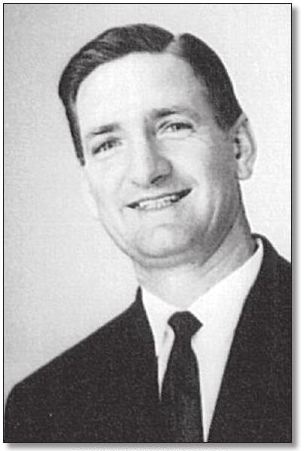
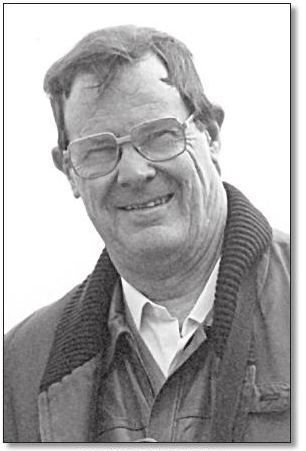
Dr Meyer had a great interest in exotic flowering plants of the world. He and Dr Turnbull were joined by Dr WW Herbert in 1979.
James L Walter
In 1975, James Leonard Walter, BSc (Sydney 1963), MB, BS (Sydney 1969), FACD (1973), set up his dermatology clinic in Lismore. He was a Junior Resident Medical Officer at Hornsby District Hospital in 1969, Senior Resident Medical Officer at Royal Prince Alfred Hospital in 1970–71 and Registrar at RPAH in 1971–73. He went to Perth and was a Visiting Medical Officer at the Royal Perth and St Margaret’s Children’s Hospitals in 1973–75, before returning east.
Dr Walter was an aviator doctor and consulted in Taree and Coffs Harbour. He was a keen sailor, both motor and canvas, but found time to do voluntary free skin inspection clinics at Byron Bay beach at Christmas time. He wanted to go into the growing field of cosmetic medicine and went to practise in Neutral Bay in Sydney in 1985.
Brian PV Pezzutti
Brian Patrick Victor Pezzutti, RFD, MB, BS (Sydney 1970), FFARACS, FANZCA, arrived in Lismore at the beginning of 1976 to practise as an anaesthetic and intensive care specialist. He was a Bonalbo boy and after graduation was a Junior Resident Medical Officer at Parramatta District Hospital in 1970, Senior Resident Medical Officer at Prince of Wales and Prince Henry Hospitals in 1971 and Registrar on the POW/PHH Training Program for anaesthetics and intensive care in 1972–75. With Dr DB Ulyatt and Dr BM Tonking, there were then three full-time Specialist Anaesthetists in Lismore and the Recovery Ward and Intensive Care Unit blossomed. He was Director of Intensive Care from 1980. The flow-on effect of the availability of these services, along with the ever expanding radiology services, was the influx of specialists in other fields. Then more anaesthetists were required, etc.
Dr Pezzutti had been in the Army Reserve in his university days and his involvement with the Army continued with his appointment as Resident Medical Officer of the local 41 Battalion. He received the National Medal in 1978 and his Army career continued with great distinction beyond 1986, the year he was awarded the Reserve Forces Decoration with 3 Bars.
In addition to his strong commitment to the anaesthetic services of the region, he joined Rotary, was elected vice-president of the North Coast Branch of the Peer Support Foundation, and in 1983 set out to found a branch of the Liberal Party in a National Party stronghold with a little help from his friends, resulting in his election in 1983 as president of the new branch of the Liberal Party, which took up a lot of his time. He liked to relax with a game of tennis.
Christine J Pezzutti
Christine Jillian Pezzutti (née Spence), MB, BS (Sydney 1972), met her husband on the Prince of Wales, Prince Henry Hospital circuit, where she was a Junior Resident Medical Officer in 1971 and Medical Registrar in 1972–73. In Lismore she practised as a family doctor, notably with Dr S Dymock and Dr FB Wagner’s clinic. Her introduction to Lismore practice was as a locum for the dynamic Dr JG Opie, but she survived that experience. Dr (Mrs) Pezzutti enjoyed tennis in her spare time.
David B Ulyatt
In 1976, David Byam Ulyatt, MB, BS (NSW 1974), FFARACS (1974), FANZCA, arrived in Lismore as a colleague of Dr BP Pezzutti in anaesthetics and intensive care. He had been an intern at Mona Vale Hospital in Sydney in 1969–70 and Anaesthetic Registrar at Prince Henry and Prince of Wales Hospitals in 1971–75. He served in the Vietnam War as Medical Officer in the RAAMC in 1970–71. He managed to start a farm well out in the country and enjoyed the bush life. He left in 1985, planning to work in New Zealand.
Stuart R Sillar
Stuart Roy Sillar, MB, BS (Sydney 1961), FRCS (Eng. 1967), FRACS (1971), returned to Lismore in January 1976 as the first Specialist Urologist. He had first seen Lismore in 1946 when his father, Dr DB Sillar, started in practice there, but he left to start studying medicine in Sydney, already bearing the name ‘Doc’ attributed to the son of country doctors in those days. After being a Resident Medical Officer at Sydney Hospital in 1961–63, Demonstrator in Anatomy at Sydney University in 1964 and Surgical Registrar back at Sydney Hospital in 1965, he followed the popular path of the times and went to ‘chop up the Poms’, as was termed the gaining of vast surgical experience by working in busy UK hospitals where the local graduates did not have the same blood lust as the colonials—often carrying on the tradition of arriving as impecunious unpaid ship’s surgeons.
Dr S Sillar worked as Orthopaedic Registrar at Kirkcaldy Hospital in Scotland in 1966, Surgical Registrar at Victoria Central Hospital in Wallasey in Cheshire in 1967, before starting serious urological training at St Peter’s Hospital in London in 1968, Meath Hospital in Dublin in 1969–70 and at Prince Henry Hospital in Sydney in 1970–71. He was Honorary Urologist at Sutherland and Marrickville Hospitals in 1972–75.
In Lismore, he covered the Richmond, Clarence, Brunswick and Tweed valleys, but he managed to serve on the committee of the House with No Steps, start one of the first macadamia nut farms and be a member of the local growers’ association. He enjoyed returning to the beach of his youth and erected a well used backyard cricket net.
Keith H Larsen
In 1976, Keith Herbert Larsen, MB, BS (QLD 1968), started at the Keen Street Clinic in the place of Dr RW Gordon. He was a Resident Medical Officer at Bundaberg Hospital in 1969 and then was a captain in the RAAMC, working in military hospitals in Perth and Singapore in 1971–75. He was an all-round family GP and did some obstetrics. Dr Larsen moved out of suburbia after a few years and started a Kiwi and other exotic tropical fruit farm. He enjoyed being chairman of the Medical Staff Council and was a firm advocate for his colleagues. He was a regular attender at Thursday golf and heavy smiter of the little white ball.
David M Grosser
David Maxwell Grosser, MB, BS (Sydney 1968), FRACS (1972), FRCS (Eng. 1975), moved from Sydney to join the Lismore Clinic in October 1976 as Specialist General Surgeon in the group. He had been a Resident Medical Officer at Prince of Wales and Prince Henry Hospitals in 1968–69, Surgical Registrar at POW/PHH in 1970–73, Anatomy Lecturer at UNSW 1971, Registrar in Vascular Surgery at the Chelmsford Hospital Group in Essex in 1974–75 and Senior Surgical Registrar at POW Hospital 1976.
He was the designated vascular surgeon in Lismore and left the clinic to set up his own rooms. Dr Grosser was the only doctor in this study to relax by playing his full kit of drums. He moved on to the Gold Coast in 1985.
Neil GH Thompson
In October 1976, Neil George Hugh Thompson, MB, BS (Sydney 1965), FRCS (Edin. 1970), FRCS (Eng. 1971), FRACS (1975), arrived in Lismore to become the first orthopaedic surgeon to reside and practise full-time in the town. A Bondi boy, he had been a Resident Medical Officer and Orthopaedic Registrar at Parramatta District Hospital in 1965–67, Anatomy Prosector at the RCS London in 1968, Registrar in General Surgery at New Lambeth Hospital in 1968, Neurosurgery at Walton Hospital, General Surgery at St Catherine’s, Birkenhead and then Broadgreen Hospital, Liverpool in 1969– 70. He trained in orthopaedics at Addenbrooke’s Hospital in Cambridge in 1971, Parramatta District Hospital in 1972 and Prince of Wales and Lewisham Hospitals in 1973–74. Dr Thompson started in specialist practice as a Visiting Medical Officer at Parramatta in 1975–76, but after doing a couple of trial operating lists in Lismore, decided to settle there, initially in Dr Nardi’s refuge for new doctors and then in Killclare House.
He was on his own for four years before the next resident orthopod started and he could find time to enjoy club and district tennis—reviving the old pleasure of town doctors going to Country Week and veterans’ events. He was also able to play social golf and relax by the sea. Dr Thompson was awarded the Australian Commendation for Brave Conduct and the Silver Medal of the Royal Humane Society in 1978. He was in the Battle of the Dalley Street Trees and involved in the rehabilitation project afterwards.
Robert Park
Robert Park, MB, BS (Liverpool, Eng. 1972), MRCS & LRCP (Eng. 1972), joined the Lismore Clinic in 1977 as a GP. He gave a more modern business perspective to his longer-standing senior colleagues and, after some success for about two years, moved on to New Farm in Brisbane.
Mary L Ali
At the beginning of 1977, Mary Louise Ali, MB, BS (Sydney 1971), FFARACS (1976), began in Specialist Anaesthetic and Intensive Care Practice in Lismore. She had completed the Prince of Wales and Prince Henry Hospital Group training rotation program and was inveigled to join the growing number of colleagues from the ‘Coast group’. Dr Ali had a very refreshing outlook to rural practice and after hours enjoyed a tranquil life in her bush retreat.
Francis B Wagner
In 1977, Francis Bernard Wagner, MB, BS (Sydney 1963), MRACP (1968), FRACP (1975), returned to his home town, practising as a Specialist General Physician, starting off in the Nardi building. He had been a Resident Medical Officer at the Brisbane Mater Hospital in 1963–64, a GP in Port Moresby in 1965 and Medical Registrar at the RGH Concord in Sydney in 1966–68.
He had been a Staff Physician at Port Moresby and Goroka Hospitals in PNG in 1969–76, but had lost none of his skills in ballgames, particularly playing baseball at a very high level, also tennis and cricket. As a local lad, he was a very popular doctor with the Lismore locals and became very busy. He took over the role of director of the Rehab Unit when Dr Lawrance died, but found time to start a farm on which his family lived and for a short time was home to some camels. He founded a horse stud, which gave him direct involvement in a longtime interest in the sport of kings. At one stage, he had a very good galloper in which a lot of locals took such an active interest that one afternoon the punters supporting the horse drained the bank at the local TAB, which had to suspend paying winning bets.
Dr Wagner was in the first group of doctors to move into consulting rooms across from and up the road from Lismore Base Hospital, transforming the previously very popular residential area of Postmans Hill into ‘Pill Hill’.
Brian Dennison
Brian Dennison, MB, ChB (UK 1961), DA (1964), MRCGP (1974), FFARCS (1980), joined the Keen Street Clinic in 1977, as a GP but also specialising in anaesthetics. He had been House Physician at South Shields Hospital in Yorkshire in 1961, House Surgeon in 1962 and Anaesthetic Senior Resident Medical Officer and Registrar at Dundee Infirmary in Scotland in 1962–64, served as Specialist Anaesthetist in the RAMC in 1964–69 and Medical Director of Dubai Petroleum 1969–76.
Dr Dennison was an internationally accredited aviation and underwater medicine specialist and was such a comfortable overseas traveller that he went back to England briefly in 1980 to catch up with his local contemporaries by getting his FFARCS. Being a bit of an adventurer, he took off in 1981 and finished up in the UN Forces, but sadly perished in a fatal motor vehicle accident.
Soo H Choo
In 1977, Soo Huat Choo, MB, BS (Singapore 1956), FRCS (Edin. 1960), FRFPS (Glasgow 1960), FACS (1974), FRACS (1978), joined the Rawle Clinic, in answer to their ad in the Australian Medical Journal for a general surgeon. He had been Resident Medical Officer, Resident Surgical Officer and Surgical Registrar at Johore Bahru Malaya in 1956–59, Post-graduate Medical Officer at Edinburgh Royal Infirmary and Western General Hospital in 1960–61, Special Surgical Registrar at Taiping Hospital in Malaya in 1961–67, Consultant Surgeon at Klang Hospital in 1968–72, Plastic Surgeon at Kanto Rosai Hospital in Tokyo in 1972 and Consultant Surgeon at Assunta Hospital in Kuala Lumpur in 1973–76.
After about eighteen months in Lismore, he went into solo surgical practice with a strong plastic surgical emphasis. He was able to do a lot of the more minor procedures in his rooms, while doing a complete range of cosmetic and reconstructive operations in both hospitals. Dr Choo relaxed from his taxing work by gardening—like many of his predecessors. His wife, Helen Patricia Yoong, MB, BS (Adelaide 1960), although not in her own practice, was an administrator at Lismore Base Hospital and active in child health care.
Brian S Gaynor
Brian Seymour Gaynor, MB, BS (Sydney 1952), FRACGP, DCH (Eng.), MRCP (UK), started as Specialist Paediatrician in 1978. He had served in the RAAF in 1944–46 and been Resident Medical Officer in Tamworth Base Hospital in 1952, Resident Medical Officer at RAHC in Camperdown in 1958–59 and Assistant Paediatrician at RAHC and Consultant Paediatrician at Parramatta District Hospital in 1971–75, then Staff Paediatrician at Royal Canberra Hospital in 1976. He was appointed Visiting Medical Officer at the hospitals but after one year, he returned to work in Sydney.
Michael Tsicalas
At the beginning of 1978, Michael Tsicalas, MB, BS (Hons NSW 1970), FRACP (1977), DDU, started the first solely Specialist Cardiologist Practice in his home town. He was a Resident Medical Officer at the Prince of Wales and Prince Henry Hospitals in Sydney in 1971–72, then stayed on as Medical Registrar in 1973 and Fellow in Cardiology in 1974–75. He was Cardiology Registrar at Harefield Cardiac Hospital in London in 1976–77 and Fellow in Cardiology at UNSW in 1977–78.
Dr Tsicalas was the only cardiologist in the region for ten years, so he was very busy, introduced cardiac pacemakers to Lismore and provided an active clinical link to the cardiac surgical centres. He was a dedicated rose grower and started the well patronised rose farm, later growing avocados for his family and friends. He also built a picturesque tennis court, which was very popular with older players who felt they could play a little more adventurously with expert cardiac care available on the other side of the net.
Kuttetur AS Rao
Kuttetur Ananthashar Sarvajna Rao, (‘Sarge’), MB, BS (Karnatak 1964), BSc was a GP in the burgeoning Goonellabah area in 1978. He was very popular with the young local families and a quiet family man. Dr Rao left after about three years, believed to be heading to Ryde in Sydney.
William R Thompson
In 1979, William Robert Thompson, MB, BS (Sydney 1974), DObst RCOG (1977), FRACGP, took his place in the Keen Street Clinic. He had been Resident Medical Officer at Prince of Wales and Prince Henry Hospitals in 1974–76 and Senior Resident Medical Officer in Obstetrics and Gynaecology at Royal Women’s Hospital in Sydney in 1977–78. He was a family doctor with a busy obstetric practice. A regular golfer, he also had a large, well-equipped shed-workshop and at the instigation of his children was one of the pioneers of Christmas light displays in Lismore.
David W Gilmore
David William Gilmore, MB, BS (QLD 1970), FRACP (1978), set up as Consultant Paediatrician in Lismore in 1979. He had been a Resident at Toowoomba General Hospital in 1971–72, Senior Resident Medical Officer in 1973 and Registrar in 1974–1977 at RAHC at Camperdown, then Registrar at Brisbane Mater Children’s Hospital in 1978. He was very busy while the only one of his kind for some years, especially because of the policy that he was required to attend all Caesarean births. Dr Gilmore was a keen collector of Persian carpets and avid gardener and landscaper.
Warwick W Herbert
In May 1979, Warwick William Herbert, MB, BS (Sydney 1972), FRANZCR (1976), FRCR (1979), joined Dr Turnbull and Dr Meyer in the radiology practice in AGR’s Building, post-fire moving to Killclare. He was born in Leeton, NSW, and had been Resident Medical Officer at Royal Brisbane Hospital in 1972–73, Radiology Registrar in 1974–76, a locum in Killclare in 1977 and then was Senior Radiology Registrar at the Royal Free Hospital in London in November 1977–May 1979, getting extensive training in diagnostic ultrasound.
After being cooped up all day in the rooms or hospital, he enjoyed tennis and golf and the open spaces of the lychee farm he established. Dr Herbert served as rural representative of the NEMA and did a term on the board of the House with No Steps. The X-ray practice soon outgrew the space at Keen Street and had started branches in other towns.
Richard D Harvey
Richard David Harvey, MB, BS (Sydney 1975), went into the Lismore Clinic in 1979, having been a hardworking Senior Resident Medical Officer at Lismore Base Hospital in 1977–79. Previously he had been a Resident Medical Officer at Launceston General Hospital in 1975–76, then a GP in Sydney in 1976–77. After starting as an all-round GP, Dr Harvey became attracted to sports medicine and revived the past when any doctors interested in sport were snavelled up as Medical Officer to various teams.
He enjoyed his own intensive fitness training with serious swimming and cycling, being one of the earliest riders to conquer the awesomely steep slope of the notorious Cynthia Wilson Drive.
Andrew F Binns
In 1979, Andrew Frederick Binns, BSc (Adel 1968), MB, BS (NSW 1973), DObst RCOG (1977), set up his own general practice in Goonellabah. An Adelaide boy, he went back there after graduation and worked as a Resident Medical Officer at Royal Adelaide Hospital in 1973–74 and as a Resident Medical Officer at Royal Adelaide Children’s Hospital in 1974–75. Then he went to England and was Senior House Officer at Upton Hospital in Slough in 1975–76 and at the City Hospital in Nottingham in 1976–79.
Armed with this experience, he was told there was no room for him in Lismore, but he found plenty to do when he started up his own general practice. He was asked to give anaesthetics for eye and dental lists, was doing his own obstetrics and he got a bit short of time when he took on the role of director of the new Palliative Care Unit at St Vincent’s Hospital. He continued his own practice, where he had been joined by Dr G Ellis in 1983.
Dr Binns became a force in the great development of visual and performing arts in the area, showing a flair for innovation. He was a driving force behind education in rural medicine, nutritional health and weight-loss programs, while maintaining his own physical exercise discipline of jogging, cycling and walking. He was a charter member of Goonellabah Rotary in 1983, helped establish the Lismore Tourist and Heritage Centre and was president of the Early Intervention Centre for children.
Noel R Morrison
Noel Robert Morrison, MB, BS (NSW 1975), arrived to join the Lismore Clinic in June 1979. He had sounded out the Lismore medical scene in 1977 with a 3-month locum and found the town suited him. After being a Resident Medical Officer at Prince of Wales Hospital in 1975, he toured Europe and Asia and then was a Senior Resident Medical Officer at St George Hospital in Sydney in 1977–78, Senior Resident Medical Officer at RAHC Camperdown in 1978 and Senior Resident Medical Officer at the Women’s Hospital in Sydney in 1978–79. He was a family doctor and practised GP obstetrics, with an evolving interest in skin conditions. He was in Rotary and enjoyed surf kayaking and trekking.
Suzanne M Dymock
In 1979, Suzanne Marie Dymock, MB, BS (QLD 1976), started a general practice in Lismore in Conway Street. She had been a Resident at the Brisbane Mater Hospital in 1977–78 and at Lismore Base Hospital in 1978–79. She did GP obstetrics and worked on her own until joined by her younger sister, Dr FH Dymock, in 1982. The following year, they moved to a house in Second Avenue, which eventually employed four lady doctors. Dr Dymock managed to be a family doctor, raise a family, support her church and relax with horseriding, although not emulating the pioneer doctors by riding to house calls.
Adrian W Johnson
Adrian William Johnson, MB, BS (Sydney 1979), started in December 1979 as an assistant at the Rawle Clinic. Born in Sydney, he had been a Resident at RNSH in Sydney in 1978–79 and did family medicine with some obstetrics. Dr Johnson became a partner in the clinic in 1982 when Dr Glannie Rawle died, but Dr John Rawle was suffering indifferent health and in 1985 retired and handed on to Dr CF Hew. Dr Johnson became a keen exponent of the demanding sport of windsurfing.
Arthur DN White
At the beginning of 1980, Arthur David Norman White, MB, BS (Sydney 1965), FRACS (1980), set up the second full-time orthopaedic surgery practice, in Nardi Building in Conway Street. He had served in the RAN before medical school. After a time in general practice, he was Senior Resident Medical Officer (Orthopaedics) at Prince of Wales Hospital and trained at St George and St Vincent’s Hospitals in Sydney in 1978–79. Dr White was a keen golfer and started a hydroponic farm on the outskirts of suburbia, but he decided to move to tropical Mackay in 1984.
Michael M Tuch
Michael Melvyn Tuch, MB, BS (QLD 1972), FFARACS (1977), started practice as a Specialist Anaesthetist in Lismore in 1980. He had been a Resident at the Mater Hospital in Brisbane in 1972–73, Anaesthetic Registrar at RGH at Chermside in 1974, at Royal Brisbane Hospital in 1975–76 and Staff Specialist in Anaesthetics at RBH in 1977–79. Dr Tuch was a major in the Royal Australian Army Reserve.
Denis Gribbin
Denis Gribbin, MB, BS (Hons NSW 1975), DObst RCOG, FRACGP, joined the Keen Street Clinic in mid-1980. He was born in Egypt. He was a Resident Medical Officer at St Vincent’s Hospital, Darlinghurst in 1975–76 and at Crown Street Women’s Hospital in 1977 before becoming a Family Medicine Program trainee in 1978 at the KSC in 1978. Dr Gribbin served as a Primary Care Physician in the US Hospital in Augsburg (Germany) in 1979–80.
In Lismore he was a GP with special interest in obstetrics. His recreations were motorcycling and adventure travel. In September 1987, he started a successful transition by going to Brisbane to train in radiology and nuclear medicine.
Anthony J Kirkwood
In 1981, Anthony John Kirkwood, MB, BS (Sydney 1974), FFARACS (1979), took the place of Dr B Dennison as Specialist in Anaesthetics and Intensive Care. He had been born in Sydney and was a Resident Medical Officer at St Vincent’s Hospital in 1974, then at Orange Base Hospital in NSW in 1975. He was a Senior House Officer at Royal Hampshire County Hospital in England in 1976–77, relieved on occasions at Orange in 1977, before finishing his training as Anaesthetic Registrar at St Vincent’s Hospital in 1978.
Having received a cool reception where he wanted to practice—a not uncommon experience for well-trained doctors starting off their careers in those times—he did a locum in the Lismore hospitals where, being wiser now, he did not take the advice of an old hand to go somewhere else and was made welcome by the younger colleagues. He had four happy, hard-working years in Lismore and even was a charter member of Goonellabah Rotary, but in 1985 he took off for the greener, and colder, pastures of Orange.
Ramon W Lun
Ramon Wayne Lun, M PhC (QLD 1955), MB, BS (QLD 1968), MRACR (1975), started practice as a Specialist Radiologist in 1981. He was born in Hong Kong, did pharmacy first and had his own shop before completing medicine and training at Royal Brisbane Hospital as a Resident in 1969–70, then Registrar in Medicine in 1971, Pathology in 1971–72 and Radiology in 1972–75.
After practising in Ipswich, he took over the practice of Dr BV Mutton in Conway Street and then amalgamated with the Killclare Radiology Group after about a year. Dr Lun was a keen traveller, with a particular liking for ocean liners.
Fiona H Dymock
In 1982, Fiona Heather Dymock, (later Wagner), MB, BS (QLD 1979), created an historic first for the Richmond area when she joined her sister, Dr SM Dymock, in her general practice in Conway Street. Dr Fiona was a Junior Resident Medical Officer at the Mater Hospital in Brisbane in 1980 and Senior Resident Medical Officer at Lismore Base Hospital in 1981. She was busy with her family medical practice which included obstetrics. She took an active part in her church activities and relaxed by going for a regular horse ride with her sister.
David CE Begg
David Colin Elly Begg, MB, BS (NSW 1971), FFARACS (1981), joined the swelling numbers of specialist anaesthetists in Lismore in 1983, having been a locum while establishing his family farm in 1982. A Sydney boy, he was Junior Resident Medical Officer at Balmain and District Hospital in 1971 and then he and his wife, Janet Leuwin Harrison, MB, BS (Melbourne 1969), FFARACS (1984), went overseas touring before they embarked on anaesthetic careers, Dr Begg training at St George Hospital in 1975 and 1976, then joining the Prince of Wales Hospital training circuit in 1978 after working in intensive care in London in 1977.
In Lismore he was a keen medical attendant on the rescue helicopter and worked at keeping his reputation as ‘Big Wave Dave’ on his surfboard.
Graham R Ellis
Also in 1983, Graham Roy Ellis, MB, BS (NSW 1979), joined Dr A Binns in his general practice in Goonellabah. He was born in Sydney and was a Resident Medical Officer at Royal North Shore Hospital in 1979, then worked as a locum in Port Macquarie, Kempsey and Taree in 1980. He was a Senior Resident Medical Officer at Lismore Base Hospital in 1981 and the next year was spent constructing his own beautiful stone house and adjacent lawn tennis court, which he manicured proudly, to the delight of his tennis-playing friends. Dr Ellis played competition tennis in town and enjoyed golf.
Christine H Gestier
In 1984, Christine Helen Gestier, MB, BS (QLD 1974), was in the Keen Street Clinic as their first lady. She had done her residency at Royal North Shore and Hornsby Hospitals in 1974–75 before combining general practice in various parts of Sydney with starting a family. Dr Gestier was popular with women and children patients, also making an important contribution to the community by accepting the very difficult responsibility of being the Medical Officer attending female and children assault cases. She relaxed as a serious gardener and by walking to keep fit.
David G Guest
David George Guest, MB, BS (Sydney 1980), started his general practice career in 1984 by joining the experienced pair of Dr NJ Rogers and Dr GC Cawley in the AMP Building. He had been Resident Medical Officer at Woden Valley Hospital in Canberra in 1980–82 and was Registrar at Lismore Base Hospital in 1982–83. Dr Guest introduced the use of computers in the clinical management of patients in his practice and with his genial nature became a consultant for his colleagues in the new approach to diagnostic aids and record keeping in clinical medicine.
Roger C Head
In 1984, Roger Cameron Head, MB, BS (Monash 1971), MRACR, joined the radiology group. He had been a Resident at Royal Brisbane Hospital for a year before returning to train in radiology in Melbourne. He left Lismore in 1986, heading for Sydney and leaving Dr I Cappe as his successor.
John RS Ashwell
John Robert Scott Ashwell, MB, BS (NSW 1974), FRACS (1982), was appointed Visiting Medical Officer in orthopaedic surgery in Lismore in 1984, practising initially from Nardi Chambers, later in Uralba Street. He was a Resident at RGH Concord in 1975–78, Registrar there in 1978–79 before joining the Australian Orthopaedic Registrar Training Program in 1979–82. He went to England to be Orthopaedic Registrar at Oswestry in 1982, Hand Surgeon Registrar at Derby in 1983 and Registrar at Hereford General Hospital in 1984.
Dr Ashwell had particular interests in hand surgery and joint replacement, while he was a pioneer in arthroscopic surgery in the town. His early recreational interests were go-kart racing and archery.
Hugh Fairfull-Smith
In 1985, Hugh Fairfull-Smith, MB, BS (Aberdeen 1975), MRCGP (1979), MRCP (1980), FRACP (1983), was appointed Visiting Rehabilitation and Geriatric Medicine Specialist at the Lismore hospitals. Born in Scotland, he was Senior House Officer at the West Lothian Hospital in 1976–79, Medical Registrar at Falkirk Infirmary in 1979–80 and then set out for the Antipodes, working in New Zealand as Medical Registrar at Whakatane Hospital in 1980–81 and Wellington Hospital in 1981–82 before working as Registrar in Geriatrics in that hospital in 1982–84.
He was based at St Vincent’s Hospital and became director of the Rehab Centre. He enjoyed international travel, was a keen road cyclist not deterred by the hilly rural area where he lived and was a regular kilt wearer—alas, the Caledonian Society was not active when he arrived.
Ellen E McGirr
Ellen Elizabeth McGirr, MB, BS (Sydney 1977), FRACP (1983), started the first full-time practice as a specialist in rheumatology in March 1985. She had been a Resident at RPAH in Sydney in 1981–82 and Medical Registrar at St George Hospital in 1983–84. She found after doing some visiting sessions in 1984 that there was a real need for her specialty in the town and set up dual rooms in Uralba Street to share with her husband, Dr ST Prince.
Dieter Werner
In 1985, Dieter Werner, MB, BS (NSW 1973), FRACP (1981), set up as Lismore’s first Specialist Gastroenterologist. He was a Resident at Royal Brisbane Hospital in 1974–75, Senior Resident Medical Officer at Royal Hobart Hospital in 1975–76, Medical Registrar at Queen Elizabeth in Adelaide in 1978-80 and then did a Research Fellowship in GE at the Bristol Infirmary in 1981–82. He resumed in Australia with a practice based on Bega Hospital in 1983–85, then went north. He relaxed from the confines of his specialty with a vigorous game of tennis.
Austin M Curtin
Austin Mark Curtin, MB, BS (Sydney 1977), FRACS (1983), started his Consultant General Surgical Practice in 1985. A member of the men’s eight produced by his eminent physician father, he decided that he would forge his own future in a different hospital in surgery. He was a Resident in 1978–79 (doing a term at Lismore Base Hospital) and Registrar in 1980–81 at Royal North Shore Hospital in Sydney. He had obtained valuable wide experience in handling surgical trauma in the turmoil of Belfast when he was a Registrar at the Royal Victoria Infirmary in 1982 before returning to fine tune his surgical career at Royal North Shore Hospital. Dr Curtin took on the vascular surgical work in the region as well as being busy with general surgery. He started a farm and enjoyed young veteran rowing.
Paul Phillip Laird
In July 1985, Paul Phillip Laird, BSc Med (Sydney 1970), MB, BS (Sydney 1972), FRACP (1978), took over Dr B Frith’s practice in Keen Street as Consultant General Physician. Born in Sydney, Dr Laird had been at RPAH in Camperdown as Resident Medical Officer in 1971–72, Medical Registrar in 1973–76 and Clinical Medical Superintendent in 1978–79. He did a Fellowship at Royal Victoria Hospital in Montreal and Vancouver General Hospital in Canada in 1979, before being Senior Medical Registrar at St Thomas’ Hospital in London in 1980–81. He was in practice in Sydney and Visiting Consultant General Physician at RPAH from 1982.
Dr Laird’s reason for changing to Lismore was very unusual in that he had met Dr FB Wagner in Goroka when he did a term there from RPAH, heard about life in Lismore and then did a locum for Dr Frith later to try it for himself. To complete his tree-change, he moved onto a farm well out of town.
Stephen T Prince
Stephen Thomas Prince, MB, BS (Sydney 1977), FRACS (1985), who married Dr McGirr in their student days, started as Specialist Ear, Nose and Throat Surgeon in 1986. Sydney-born, he had been a Resident at RPAH in Sydney in 1979–80 and underwent training as an ENT Surgical Registrar at Sydney Hospital in 1981–85. He started a farm just out of town.
Raymond E Randle
Raymond Eric Randle, MB, BS (Hons NSW 1978), FRACS (1985), started his Specialist Orthopaedic Surgical Practice in 1986. Born in nearby Bentley, he did his residency at St Vincent’s Hospital in Sydney in 1978–80, was Orthopaedic Registrar in Training at Auburn District Hospital in 1982, Sutherland District Hospital in 1983 and Prince of Wales Hospital in 1985. He had a year at the Royal National Orthopaedic Hospital in London in 1984.
Dr Randle started up the squire’s home life with a lovely farm on which he started breeding quarter horses and Poll Hereford cattle, also competing in campdrafting.
Peter J McClaren
In 1986, Peter James McClaren, MB, BS (NSW 1977), FFARACS (1985), joined in the Specialist Anaesthetic and ICU services. Born in the area, he went west and was a Resident at the Sir Charles Gairdner Hospital in Perth in 1977–79, Resident Medical Officer in the Heath Department in 1979–81, Senior House Officer at Plymouth Hospital in England in 1981–82, Registrar at the Brisbane Mater Hospital in 1982–84, Registrar at SCGH in Perth in 1984–85 and the Fremantle Hospital in 1986. He opted to live in the quiet suburban life.
Ian P Cappe
Ian Philip Cappe, MB, BS (Sydney 1980), FRACR, became a partner in the radiology practice in July 1986, having worked as a locum in the previous six months. He had been a Resident Medical Officer at Sydney Hospital in 1980–81 and was Radiology Registrar at RPAH in Sydney in 1982–85. He was enthused by the rapidly developing invasive, or ‘interventional’ radiology, particularly in the vascular and spinal fields. He had the unusual privilege of having his father do a locum for him. He was a keen supporter of his church, became a fledgling pilot and scuba diver and set up a farmlet retreat on the outskirts of town.
David M Townend
In 1986, David Maxwell Townend, MB, BS (NSW 1977), FRACS (1984), commenced in his Consultant General Surgical Practice in Lismore. He had trained at Royal North Shore Hospital in Sydney, as an intern in 1977–78, Senior Resident Medical Officer in 1978–80 and Surgical Registrar in 1978–83 before going for experience in England as Surgical Registrar at the Southend on Sea General Hospital in 1984–85. He took over the former Turnbull farm in what was becoming Doctors’ Row on the outskirts of town.
Charles FC Hew
Charles Foong Chong Hew, MB, BS (QLD 1980), started in the Rawle general practice in 1986, taking over from Dr JG Rawle with Dr AW Johnson. He had been Resident Medical Officer at Townsville General Hospital in 1981–82, Senior Resident Medical Officer in Ayr Hospital in 1983, Medical Registrar at Townsville in 1984 and Lismore Base Hospital in 1985.
Kim H Kerr
Kim Helen Kerr, MB, BS (QLD 1982), was Resident Medical Officer at Townsville in 1983–84 and went as Senior Resident Medical Officer at Lismore Base Hospital. The wife of Dr Hew, she later worked as assistant at the Johnson-Hew clinic. They were both keen joggers, setting an example in physical fitness to their patients.